她肯定是不高兴了 搁我也觉得委屈
“Look, you bored her so much that she left. She must be upset. I would feel slighted, too.”
THE DIALOGUE REEL
“Stop talking about Zhi. You've been talking for half an hour. Look, you bored her so much that she left.”
她 肯定是 不高兴了 搁我也觉得委屈
“Look, you bored her so much that she left. She must be upset. I would feel slighted, too.”
之后你完全不理人家 你真够可以的
“You completely ignored her the entire time. You really are something.”
“You clearly crossed the line and hurt her feelings; anyone in her shoes would feel mistreated.”
In social interactions, speaking without regard for others' feelings to the point of making them leave in embarrassment ('ba ren dou shuo zou le') is considered a serious breach of etiquette in Chinese culture. Bystanders often use 'ge wo wo ye...' ('if it were me, I would too...') to express empathy and prompt the speaker to reflect.
LEARNING CHUNKS & PARTICLES
If it were me, I would also...
A colloquial pattern with Northern dialect flavor, commonly used to express empathy, put oneself in another's shoes, or defend someone else.
To feel wronged or aggrieved by unfair treatment
A high-frequency emotional expression describing the state of feeling hurt, mistreated, misunderstood, or slighted.
Used at the end of a sentence to indicate a change of state or assert a current fact.
VOCABULARY & EXPRESSIONS
Parallel Spoken Cinema Scenes (语义近邻切片)

“She didn't sound very happy. Does she know about this too?”
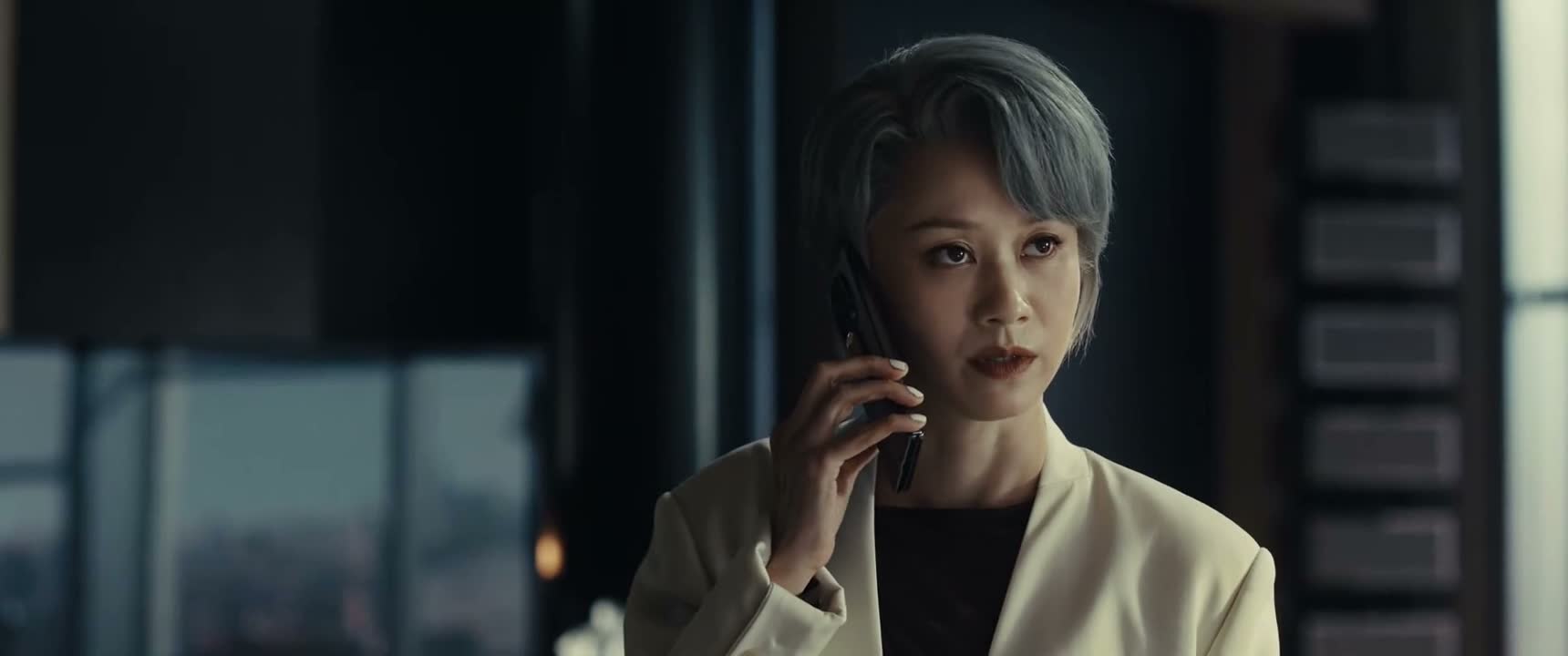
“but he's surely upset.”

“The key is she didn't look happy.”