你说半个小时了 你看都把人都说走了
“Stop talking about Zhi. You've been talking for half an hour. Look, you bored her so much that she left.”
THE DIALOGUE REEL
金子早走了 金子 后来啊 他 你别聊阿治了
“Jin left a long time ago. And then, he... Stop talking about Zhi. You've been talking for half an hour.”
你说 半个小时 了 你看 都 把人都说走了
“Stop talking about Zhi. You've been talking for half an hour. Look, you bored her so much that she left.”
“Look, you bored her so much that she left. She must be upset. I would feel slighted, too.”
“You've been rambling on and on, totally oblivious to how uncomfortable you've made everyone. Just shut up already.”
In Chinese social culture, being observant of nonverbal cues and others' emotions is highly valued. Persisting in a topic that makes others uncomfortable or annoyed to the point where they walk away is considered a major social faux pas.
LEARNING CHUNKS & PARTICLES
to drive someone away through an action (usually with a negative outcome)
A common colloquial 'ba' construction pattern, as seen in phrases like 'ba ren qi zou le' (angering someone away), 'ba ren xia zou le' (scaring someone away), or 'ba ren dou shuo zou le' (talking someone into leaving). It emphasizes that the subject's actions caused others to depart.
look; you see
Used colloquially to draw attention or point out clear evidence, often when complaining, issuing a reminder, or confirming one's own prior judgment.
In 'ban ge xiao shi le', it marks an action continuing up to the present; in 'shuo zou le', it marks completion resulting in a negative outcome.
VOCABULARY & EXPRESSIONS
Parallel Spoken Cinema Scenes (语义近邻切片)
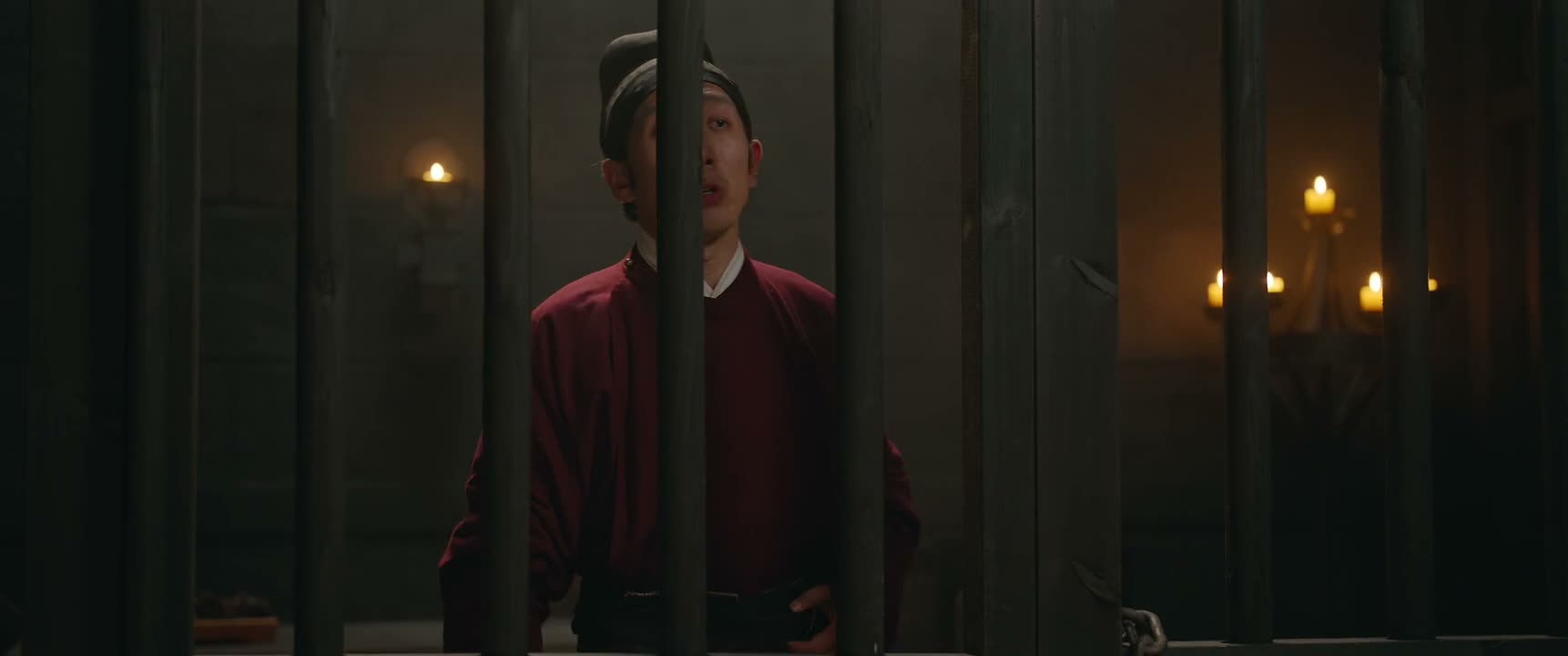
“Time's up. You should leave.”

“They left without saying much.”

“It's time. Time to go.”

“It's been two hours.”

“We have waited for 2 hours.”
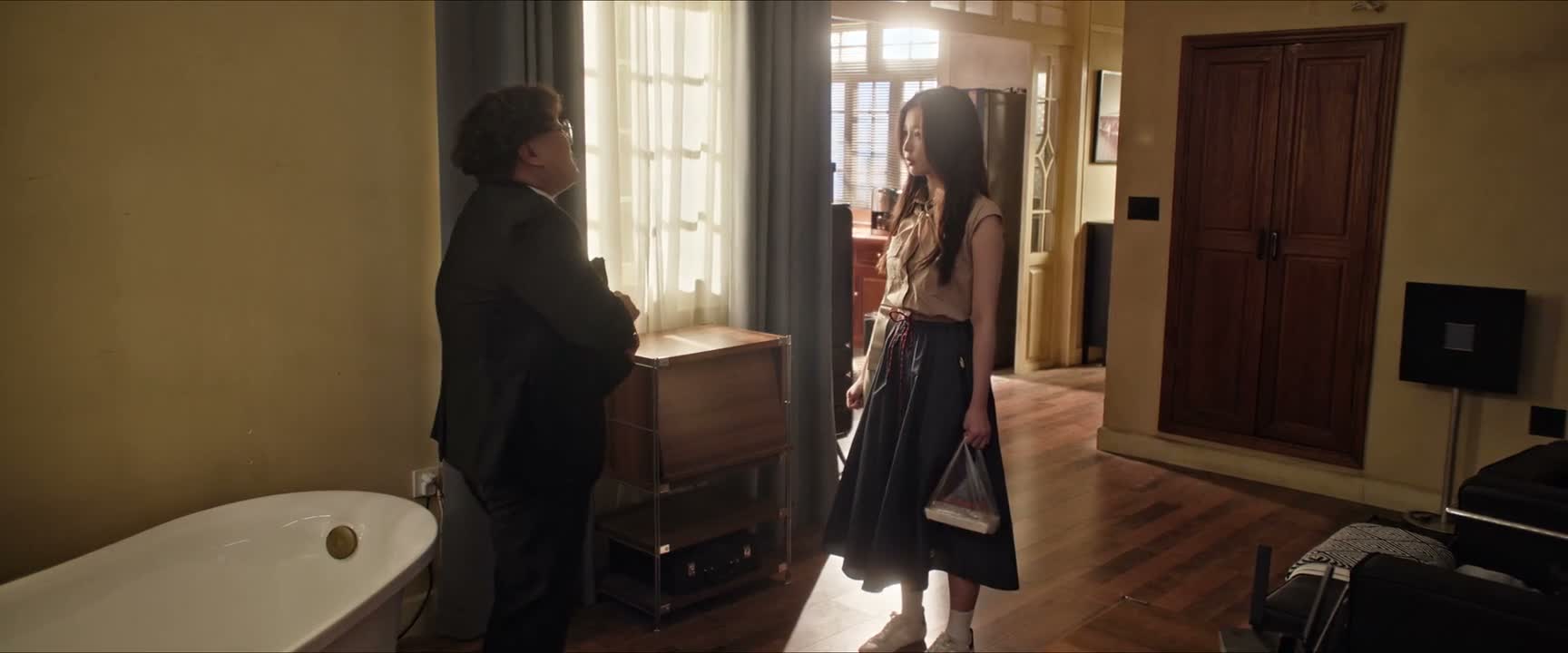
“It's almost 6 PM. I'm in a bit of a rush. So I'll get going now.”