从不是一人之天下
“(is never an empire owned by one person.)”
THE DIALOGUE REEL
这众生
“(including the people,)”
从 不是 一人之天下
“(is never an empire owned by one person.)”
罪己
“(To blame oneself)”
“The empire belongs to all living beings, not to a single ruler; I must atone for my failures.”
The saying 'the realm is not the realm of one person, but the realm of all people under heaven' originates from the pre-Qin text 'Liu Tao' (Six Secret Teachings). It embodies the traditional Chinese political philosophy that 'the people are most important, the altars to soil and grain come next, and the sovereign is least.' 'Zui ji' refers to the formal imperial edict of self-criticism issued by an ancient monarch reflecting upon their own moral failings during times of natural disasters or national crises.
LEARNING CHUNKS & PARTICLES
a realm or state monopolized and ruled by a single person
Common in classical texts and historical-political essays, often contrasted with 'tian xia ren zhi tian xia' (the realm of all the people) to discuss governing legitimacy and people-centric ideals.
VOCABULARY & EXPRESSIONS
Parallel Spoken Cinema Scenes (语义近邻切片)

“It's a pity the world doesn't bend to your will alone.”

“We're not from the same world at all.”

“This isn't something one person can decide.”
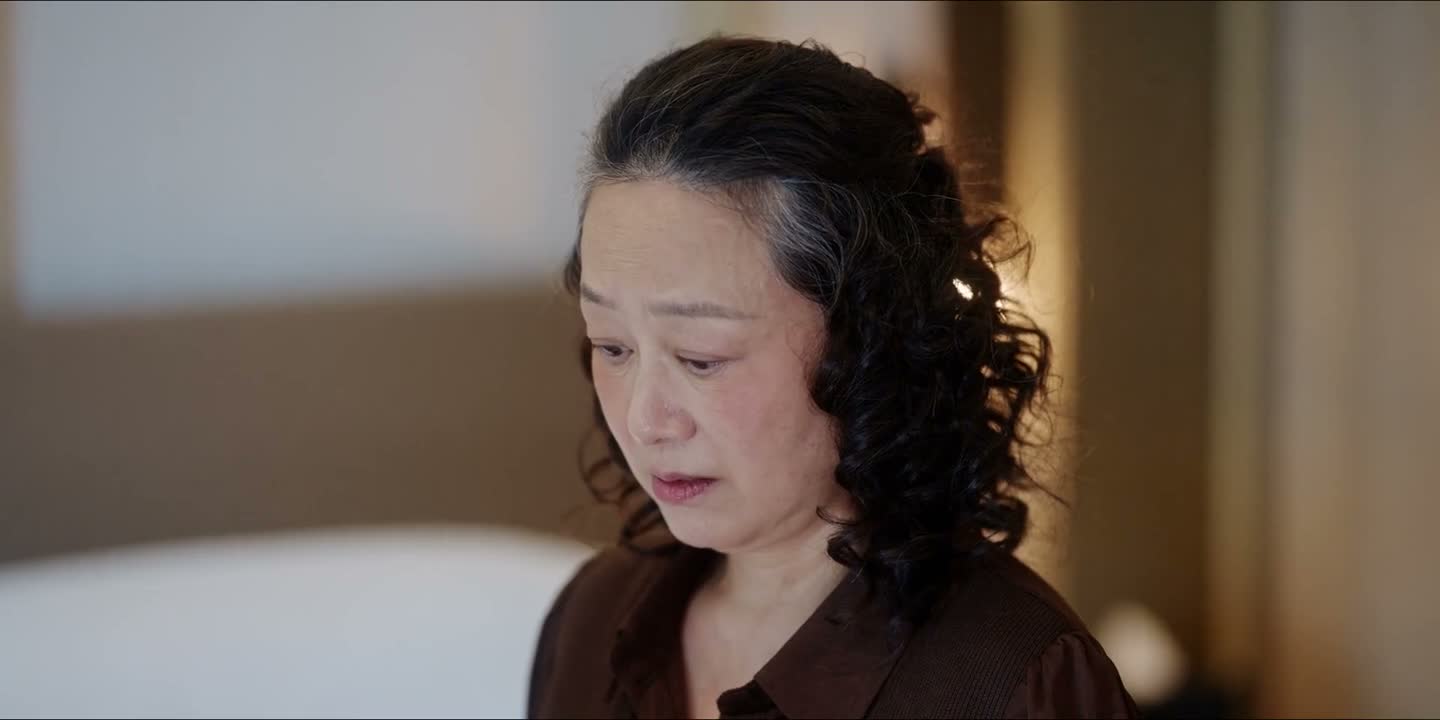
“It's not just his call.”