况且 离山之事已了 我又是个闲散性子
“Besides, the whole Lishan thing is over. And I am a free spirit.”
THE DIALOGUE REEL
况且 离山之事已了 我 又是 个 闲散性子
“Besides, the whole Lishan thing is over. And I am a free spirit.”
在一个地方待久了 骨头都软了 师妹
“If I stay in one place too long, my bones get soft. Li.”
“Besides, my business here is done, and by nature I prefer a free, unconstrained life—so there is no need to keep me.”
Reflects typical martial arts (wuxia), immortal fantasy (xianxia), or classical sect culture. 'Shimei' refers to a younger or junior female peer within the same sect; 'lishan' (leaving the mountain) often denotes descending the mountain to travel or departing the sect, embodying the wanderer's desire for unconstrained freedom and a reclusive life amid mountains and rivers.
LEARNING CHUNKS & PARTICLES
all good things must come to an end; every gathering must eventually disperse
Often used during farewells or to comfort others when parting, expressing a philosophical, open-minded attitude toward life.
moreover; besides; furthermore
Common in both written and spoken Chinese, used to add an additional supporting reason to enhance persuasiveness.
a leisurely, carefree nature; an unhurried and unconstrained disposition
'Xingzi' means temperament or personality; often used in self-evaluations or humble self-descriptions to indicate a relaxed, unstructured lifestyle.
VOCABULARY & EXPRESSIONS
Parallel Spoken Cinema Scenes (语义近邻切片)

“But on Lishan Mountain, there was no sugar.”

“(But on Lishan Mountain, there was no candy.)”

“He found Lishan Mountain stifling. So he ran away with luggage.”
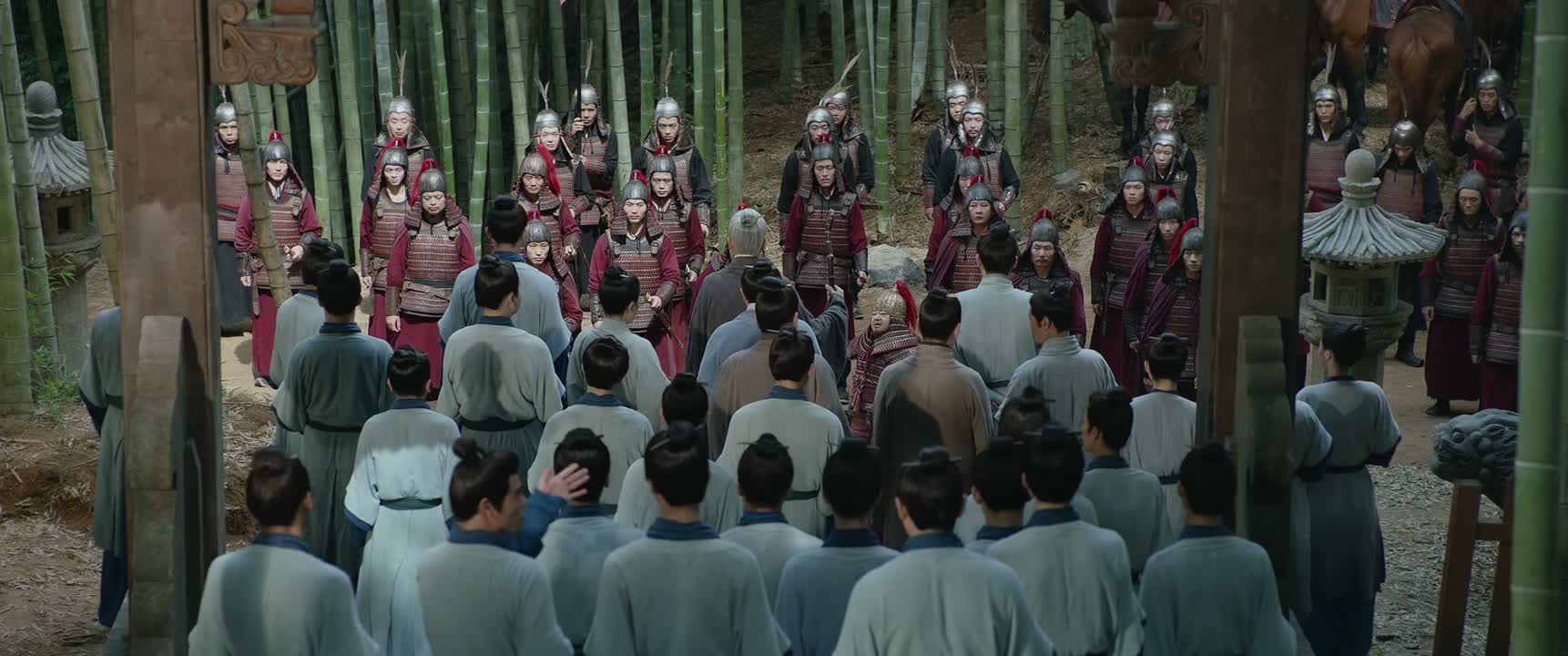
“Lishan has been isolated ever since.”
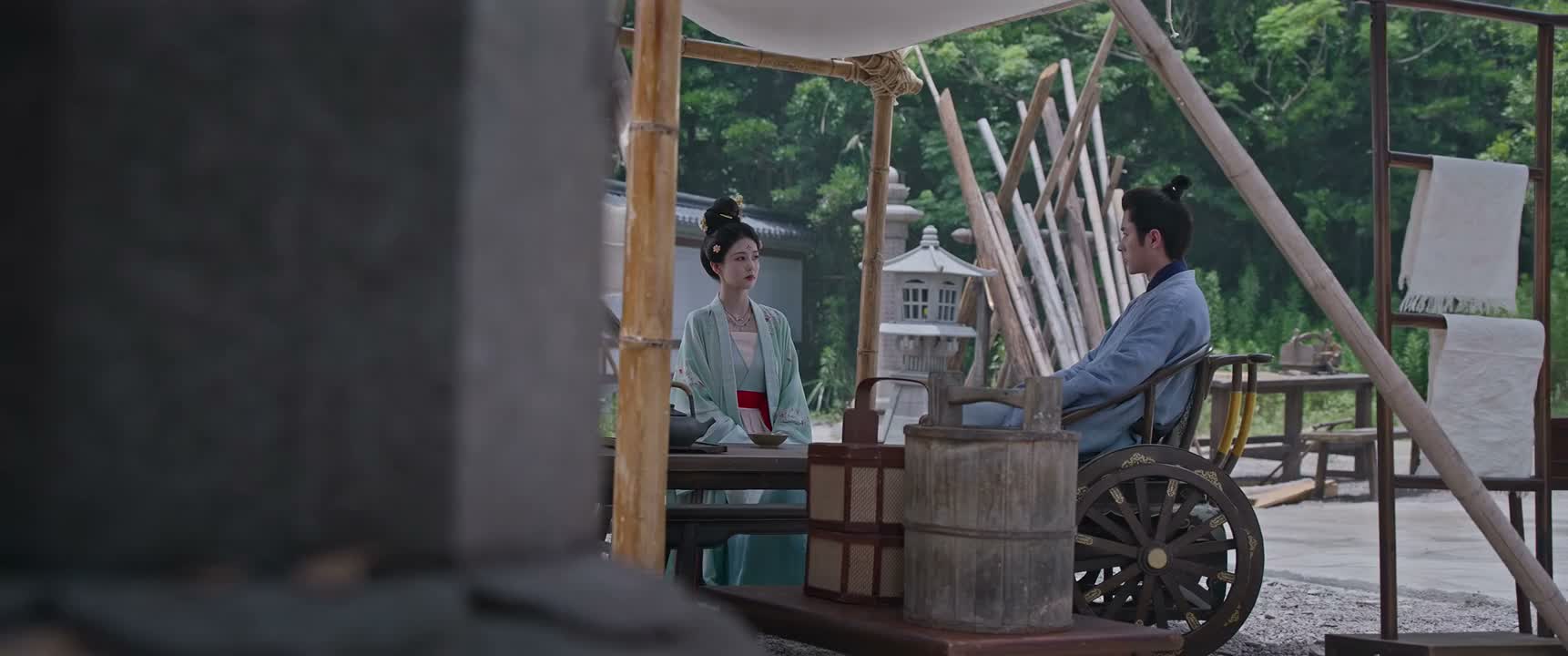
“How did you return to Lishan Mountain?”
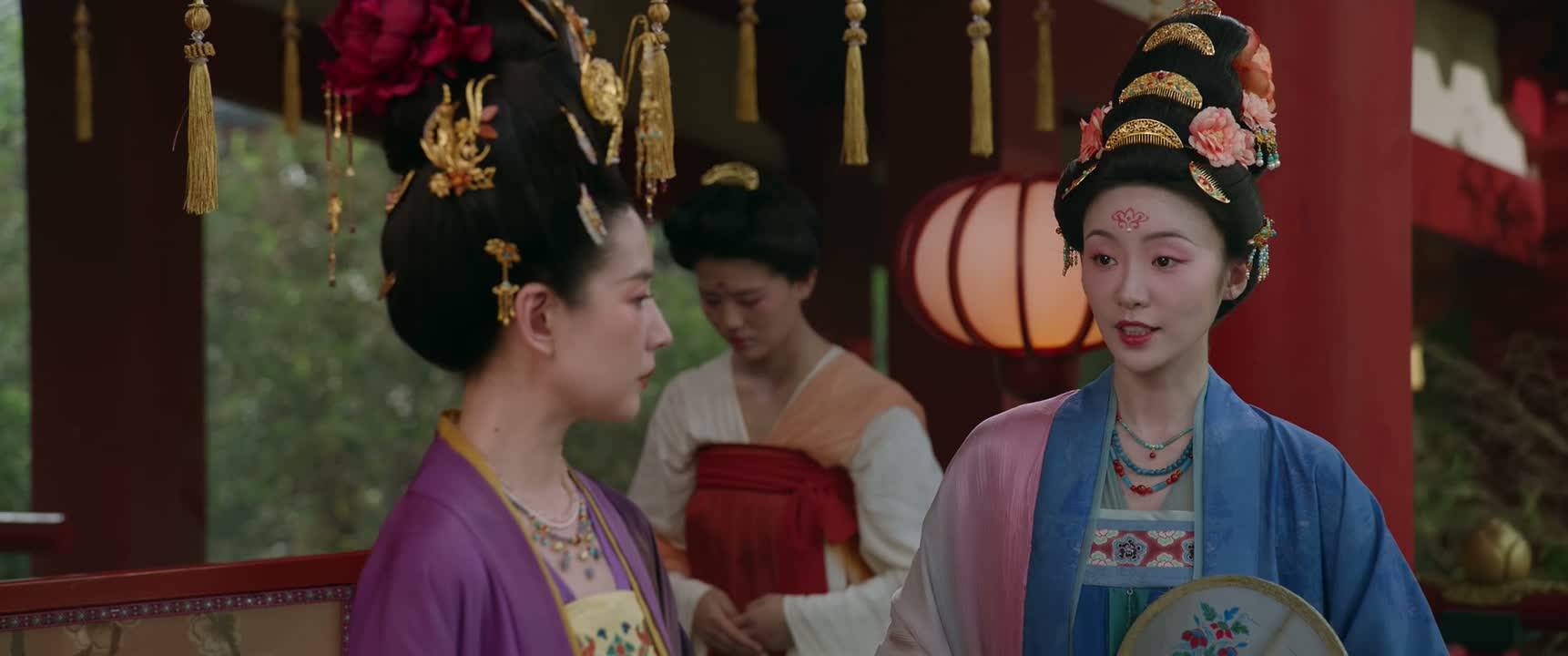
“to stay at Lishan.”