这天下 无不散之筵席
“All feasts must come to an end.”
THE DIALOGUE REEL
怎么又要走了
“Why are you leaving?”
这天下 无不散之筵席
“All feasts must come to an end.”
“Besides, the whole Lishan thing is over. And I am a free spirit.”
“All good things must come to an end; don't be sad about my departure.”
Originating from Ming and Qing vernacular literature, this idiom reflects a traditional Chinese philosophical attitude of fatalism and open-minded acceptance toward meetings and partings in human relationships.
LEARNING CHUNKS & PARTICLES
All good things must come to an end; there is no feast that does not break up, metaphorically expressing that all gatherings must eventually end in parting.
Commonly used in formal spoken or written contexts when saying farewell or consoling someone to help them accept a separation.
VOCABULARY & EXPRESSIONS
Parallel Spoken Cinema Scenes (语义近邻切片)

“There'll always be a time when we have to part.”
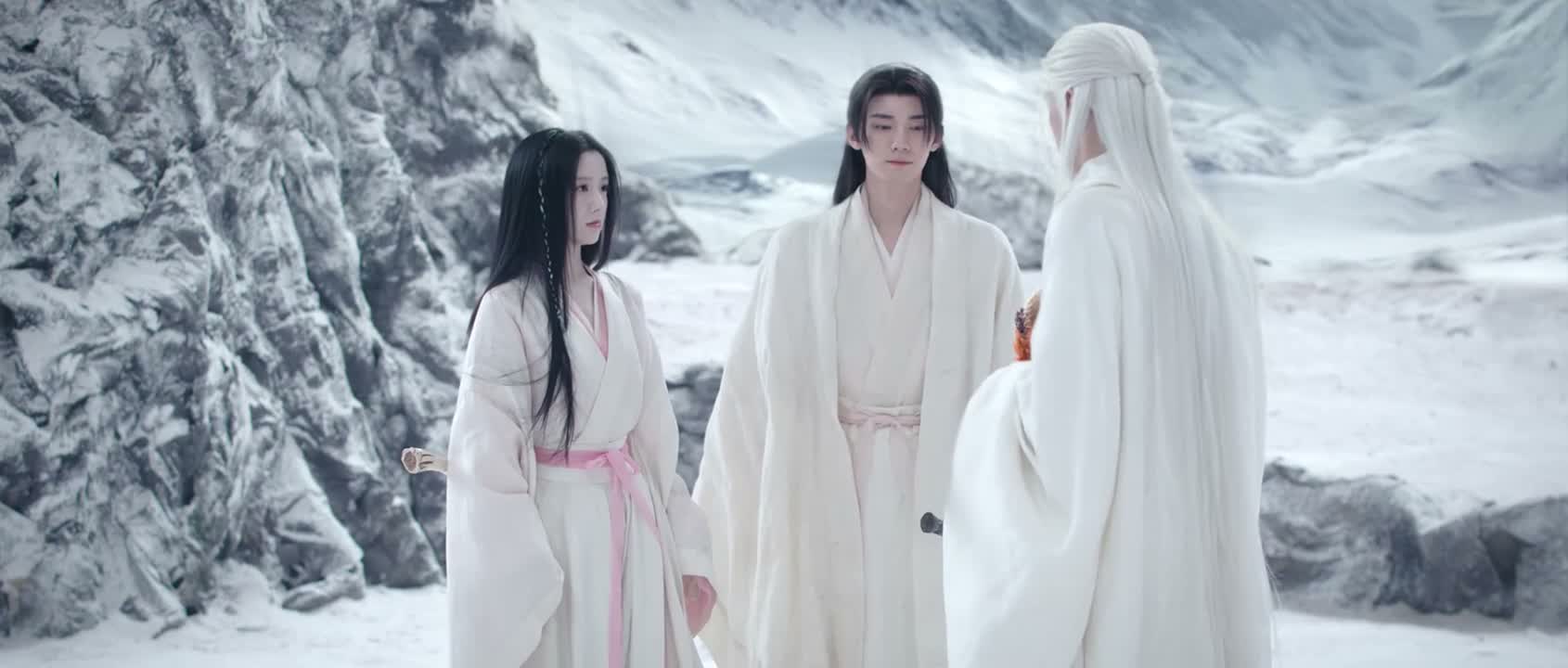
“All banquets must end.”

“All feasts must come to an end.”
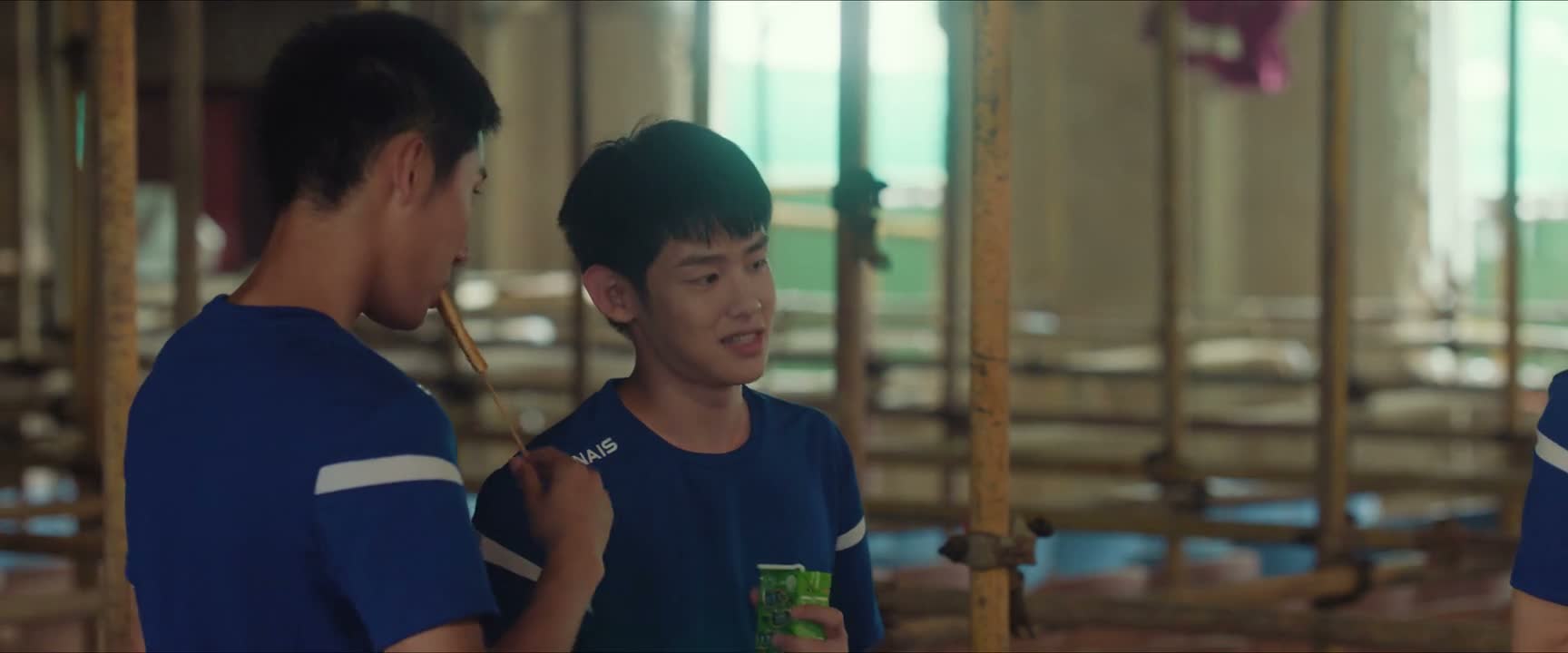
“I guess all good things must come to an end.”