不是你这么大声干什么呀
“Why are you raising your voice?”
THE DIALOGUE REEL
你怕什么
“What are you afraid of?”
不是你 这么大 声 干什么呀
“Why are you raising your voice?”
你怕别人听不见啊
“Do you want everyone to hear you?”
“Keep it down! Why are you yelling? You're drawing unwanted attention and exposing us.”
Chinese culture values 'not airing family scandals in public' (jia chou bu ke wai yang) and maintaining 'face' (mianzi) in public settings. During arguments, people often resent loud shouting that might attract onlookers or reveal private matters.
LEARNING CHUNKS & PARTICLES
Expresses protest, rebuttal, or annoyance with someone's behavior, questioning why they are acting that way.
In spoken Chinese, opening with 'bu shi' introduces a rebuttal or defense, followed by a rhetorical question that carries a strong tone of blame or impatience.
Speaking at such a loud volume.
Typically used to criticize someone for speaking too loudly and ignoring the social context or setting.
Placed at the end of a sentence to intensify a questioning or rhetorical tone, expressing impatience, grievance, or irritation.
VOCABULARY & EXPRESSIONS
Parallel Spoken Cinema Scenes (语义近邻切片)

“Even if I were, you don't have to shout. We're alone here.”

“What's with you? It's too harsh.”
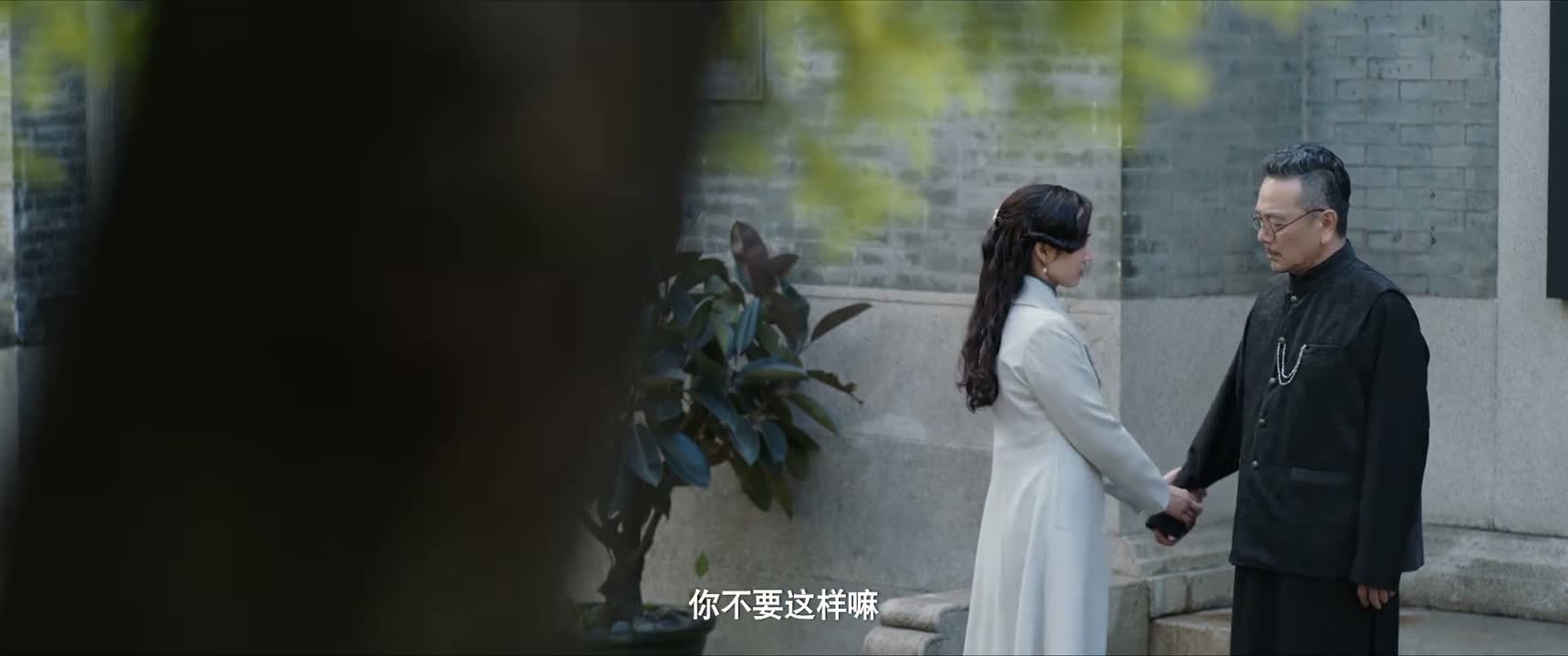
“...don't be like this.”

“What are you yelling about? I just asked you to help do the dishes.”