还让不让人吃饭了 闭嘴 吃你的饭
“Can't we eat in peace? Shut up and eat your food!”
THE DIALOGUE REEL
你就是帮凶
“you're an accomplice.”
还让不让人吃饭了 闭嘴 吃你的饭
“Can't we eat in peace? Shut up and eat your food!”
“Stop blowing things out of proportion! - Sorry. - You have no right!”
“Shut up and stop picking fights at the table—can we just eat in peace?”
In Chinese families, the dining table is often a space for emotional bonding, yet it can easily become a flashpoint for conflict. There is a traditional saying, 'fan zhuo shang bu xun zi' (do not reprimand children at the dinner table). When arguments or reprimands break out during meals, elders or involved parties often invoke 'just eat properly' to forcefully terminate the dispute.
LEARNING CHUNKS & PARTICLES
A rhetorical pattern indicating that someone's actions are severely disrupting normal activity, expressing strong dissatisfaction and annoyance.
A high-frequency colloquial pattern for complaining, commonly used to protest interruptions or bickering, such as 'hai rang bu rang ren shui jiao le' (Will you let anyone sleep?).
Mind your own business and eat your meal; stop meddling or talking nonsense.
Follows the 'verb + ni de + noun' structure, carrying a stern, imperative tone meant to cut someone off and stop them from interrupting.
Placed at the end of the sentence to mark a change of state or provide a strong emotional closing, heightening the tone of irritation and reaching a breaking point.
VOCABULARY & EXPRESSIONS
Parallel Spoken Cinema Scenes (语义近邻切片)

“Do you want us to eat or not? I'm talking to your brother!”

“If you won't eat, how can anyone else eat?”

“just to - Shut up. - do those things to you.”

“Shut up! Behave.”
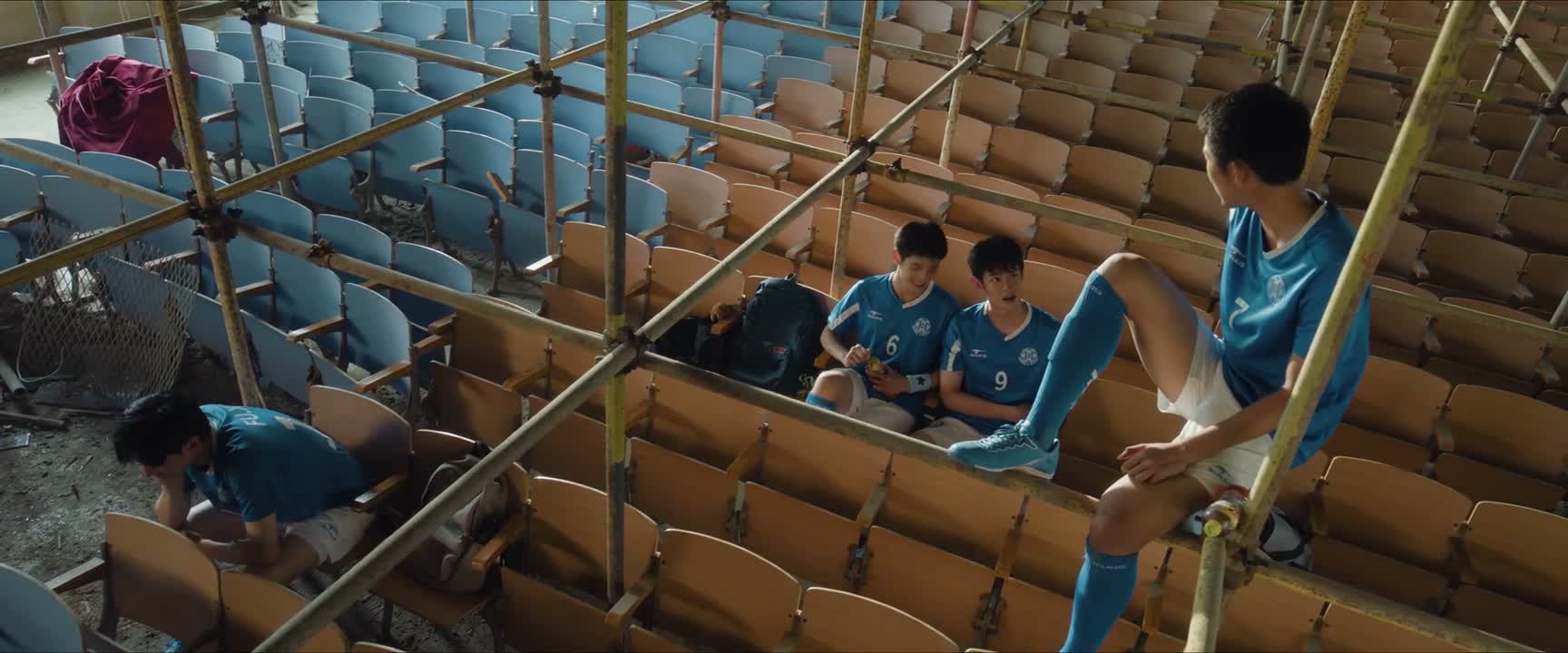
“Can you shut up? Even if we don't understand it,”

“I'm not shutting up! Make me! I'm not shutting up!”