那你开啥饭呢 这水离伙房也太远了
“In an hour? The water is too far from the kitchen.”
THE DIALOGUE REEL
好 老裘
“Okay. Qiu!”
那你 开啥饭 呢 这水离伙房也 太远了
“In an hour? The water is too far from the kitchen.”
“Carrying water is exhausting us. - How did you plan this? - Okay, okay.”
“How do you expect us to cook on time? The water source is way too far from the kitchen—your logistical arrangement is terrible.”
Refers to a place where meals are prepared for a collective unit (such as the military, construction sites, or traditional work units). In modern colloquial speech, it corresponds to a kitchen or canteen, carrying strong connotations of collective living and specific historical eras.
Before tap water systems existed, people transported water manually using shoulder poles and buckets. A grueling form of physical labor, it often serves as a cultural symbol of hardship in collective life.
LEARNING CHUNKS & PARTICLES
to serve a meal; to start eating
A common spoken verb-object phrase frequently used in collective living, workplace canteens, or family dining contexts.
too...; excessively...
A fundamental pattern indicating an excessive degree; here paired with negative semantics to voice complaint and dissatisfaction.
Used at the end of a special question to lend an interrogative tone with a mild sense of questioning and a casual demeanor.
VOCABULARY & EXPRESSIONS
Parallel Spoken Cinema Scenes (语义近邻切片)
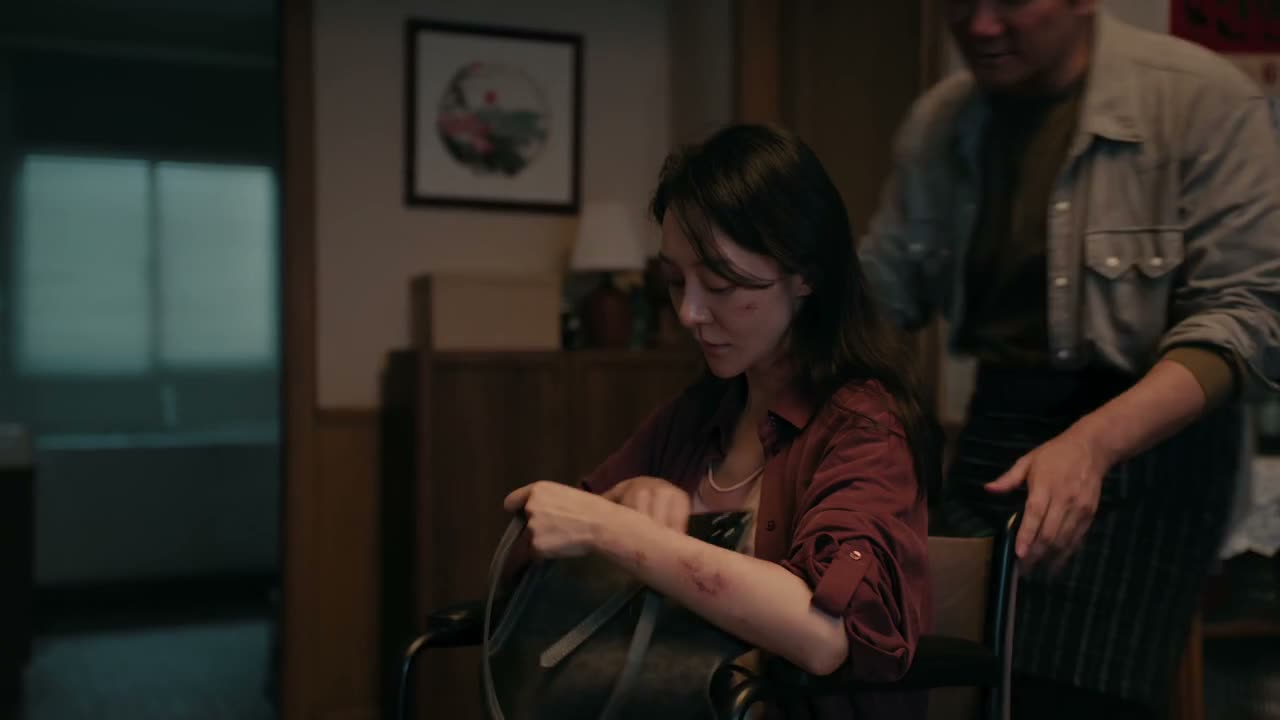
“Come on, let's eat!”

“It's time to eat. What's the rush?”

“It makes the kitchen look bad. How can we work now? Let's go.”

“Dinner's ready!”
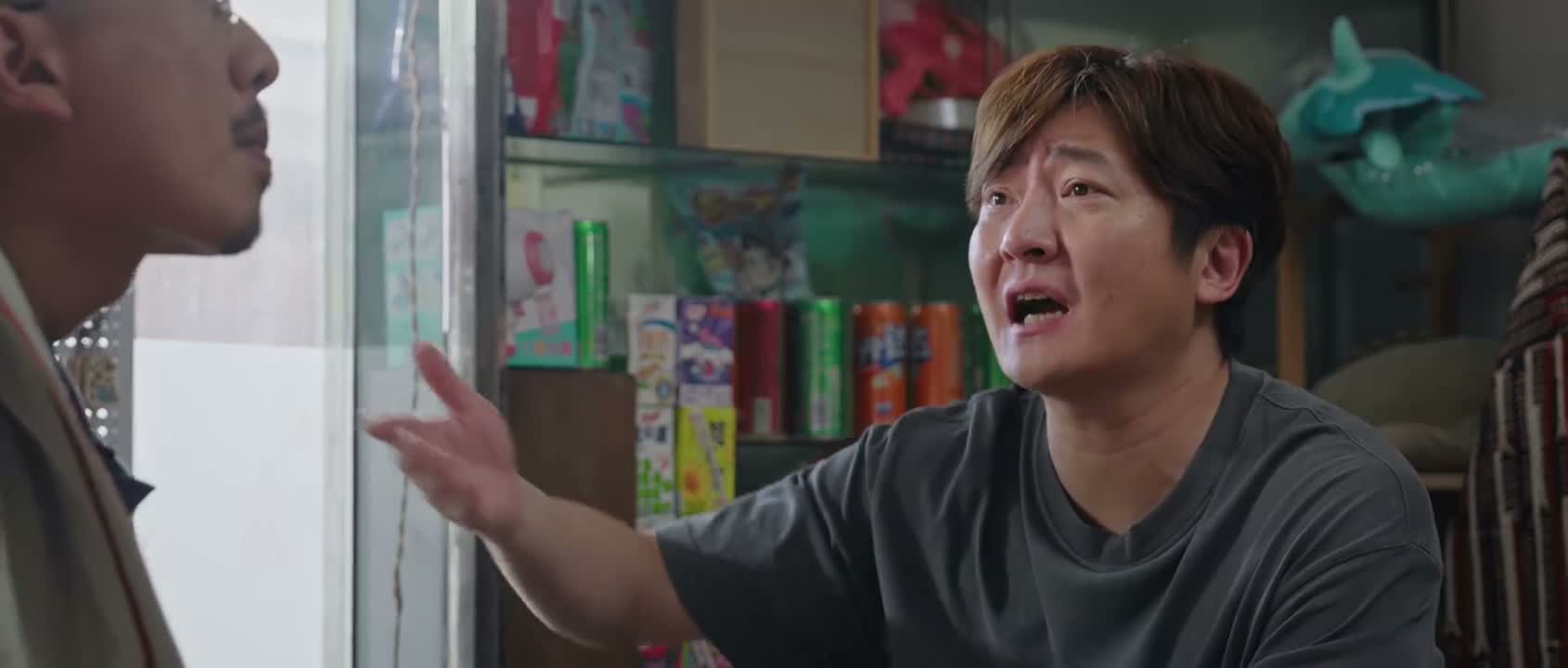
“how are you going to compete?”

“Eat. No need to worry about it.”