可偏偏田先生还挺看重他
“And yet Mr. Tian thought quite highly of him.”
THE DIALOGUE REEL
他老爷子整天满口的之乎者也 哪像一个厨子他爹呀
“and his father spouts pedantic terms all day. Does he look anything like the father of a cook?”
可 偏偏 田先生 还挺 看重 他
“And yet Mr. Tian thought quite highly of him.”
后来田先生不让他当厨子了 七哥走了以后
“Later, Mr. Tian wouldn't let him be a cook anymore. After Qi left,”
“Yet ironically, Mr. Tian thought very highly of him.”
In traditional or historical contexts, 'xiansheng' was an honorific title commonly used for knowledgeable, high-status, or respected individuals such as employers, elders, or teachers.
LEARNING CHUNKS & PARTICLES
contrary to expectations; as luck would have it; against common sense
Frequently used in spoken Chinese to express a twist of fate, coincidence, or resignation, as in 'dajia dou bu zhancheng, ke ta pianpian yao qu' (Nobody approved, but he insisted on going anyway).
to value; to think highly of; to hold in high regard
Used when a superior, elder, or other person recognizes and appreciates someone's ability or character; often followed by a personal object.
VOCABULARY & EXPRESSIONS
Parallel Spoken Cinema Scenes (语义近邻切片)

“I don't know why. I always feel that Mr. Tian”
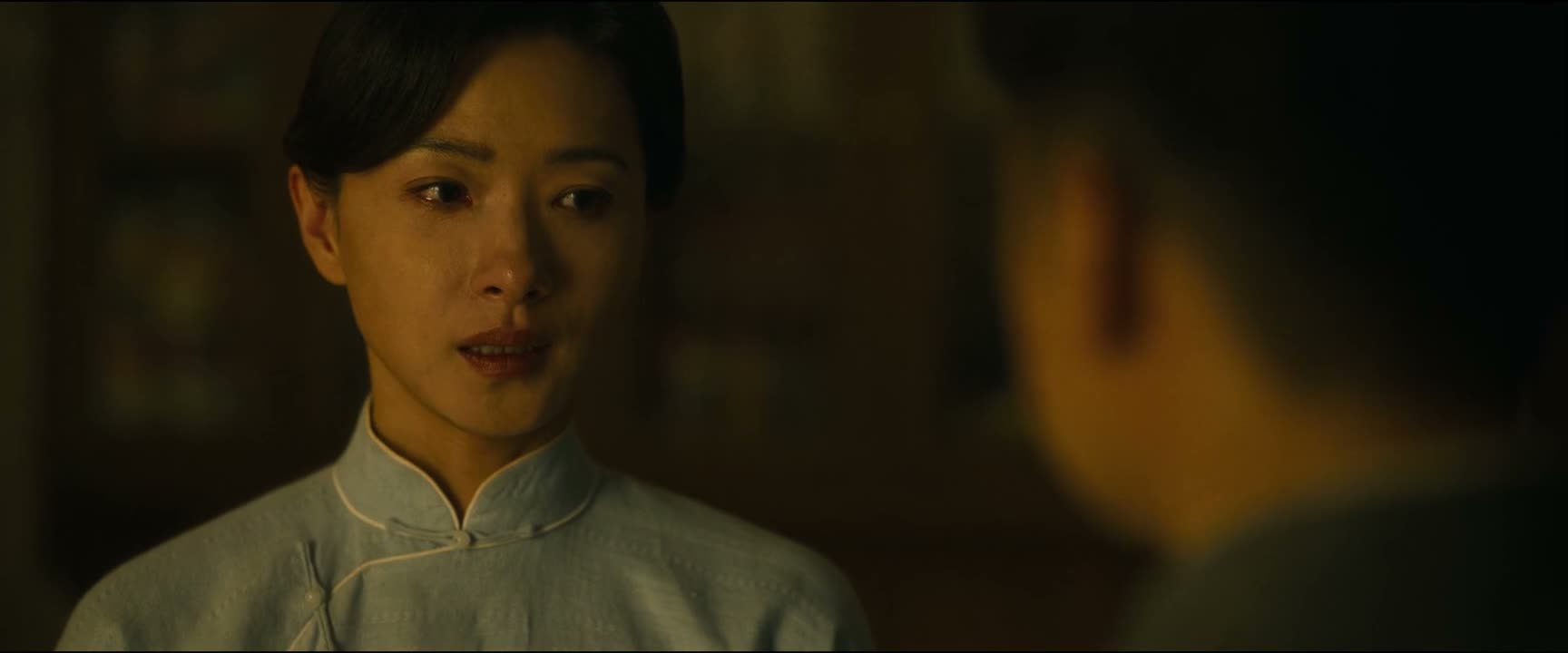
“I saw that Mr. Tian was really upset,”
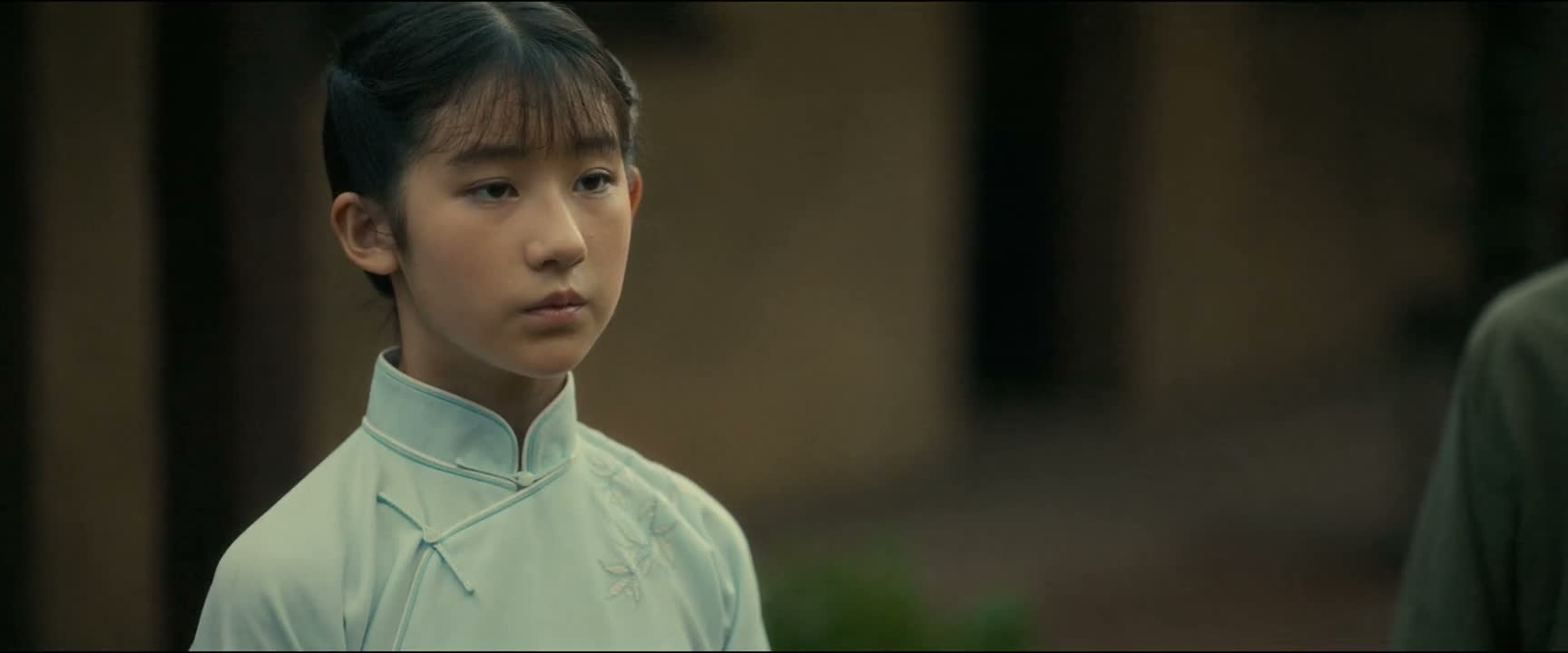
“Don't delay Mr. Tian's meal.”

“Actually, Mr. Tian is someone who does a lot”

“I promise Mr. Tian will love it.”

“I've been with Mr. Tian for so many years. I'm not qualified.”