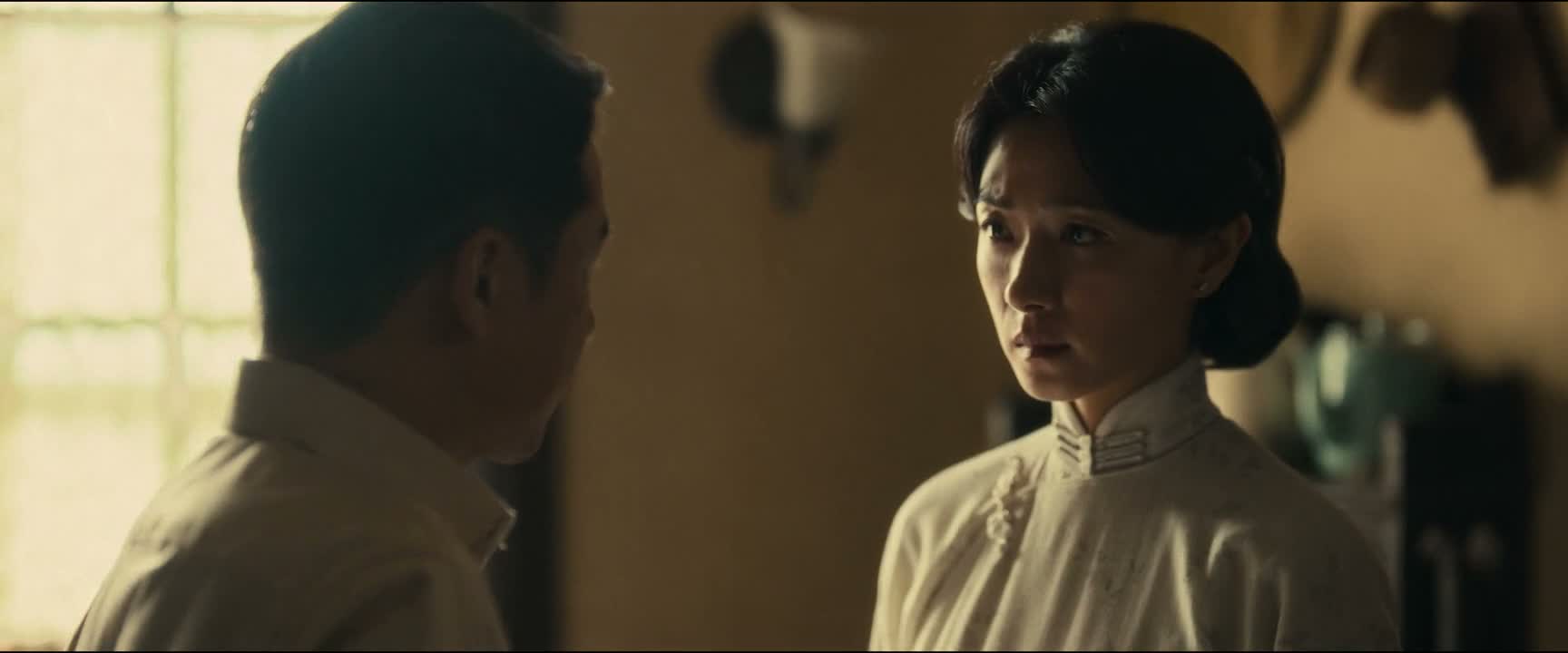
我跟太爷约好了 一起过中秋嘛
“I promised Master to celebrate the Mid-Autumn Festival together,”
THE DIALOGUE REEL
先生 您怎么过来了
“Sir, why did you come over?”
我跟 太 爷 约好了 一起 过中秋嘛
“I promised Master to celebrate the Mid-Autumn Festival together,”
得来呀
“so I had to come.”
Direct spoken expression in this communicative setting.
A traditional Chinese festival celebrated on the 15th day of the eighth lunar month. Symbolizing reunion, it traditionally involves family members and younger generations gathering with elders to celebrate together.
A highly respectful form of address for a great-grandfather or an esteemed elder in a family clan, reflecting the traditional Chinese cultural emphasis on honoring elders.
LEARNING CHUNKS & PARTICLES
to have agreed or made plans in advance with someone
A common spoken pattern indicating that an itinerary, plan, or commitment has been arranged beforehand.
to celebrate or spend the Mid-Autumn Festival
'guo + festival name' is the standard construction used to express spending or celebrating a specific holiday.
Used at the end of a sentence to indicate that the speaker sees the situation as obvious, natural, or previously arranged, carrying a mild explanatory and affectionate tone.
VOCABULARY & EXPRESSIONS
Parallel Spoken Cinema Scenes (语义近邻切片)
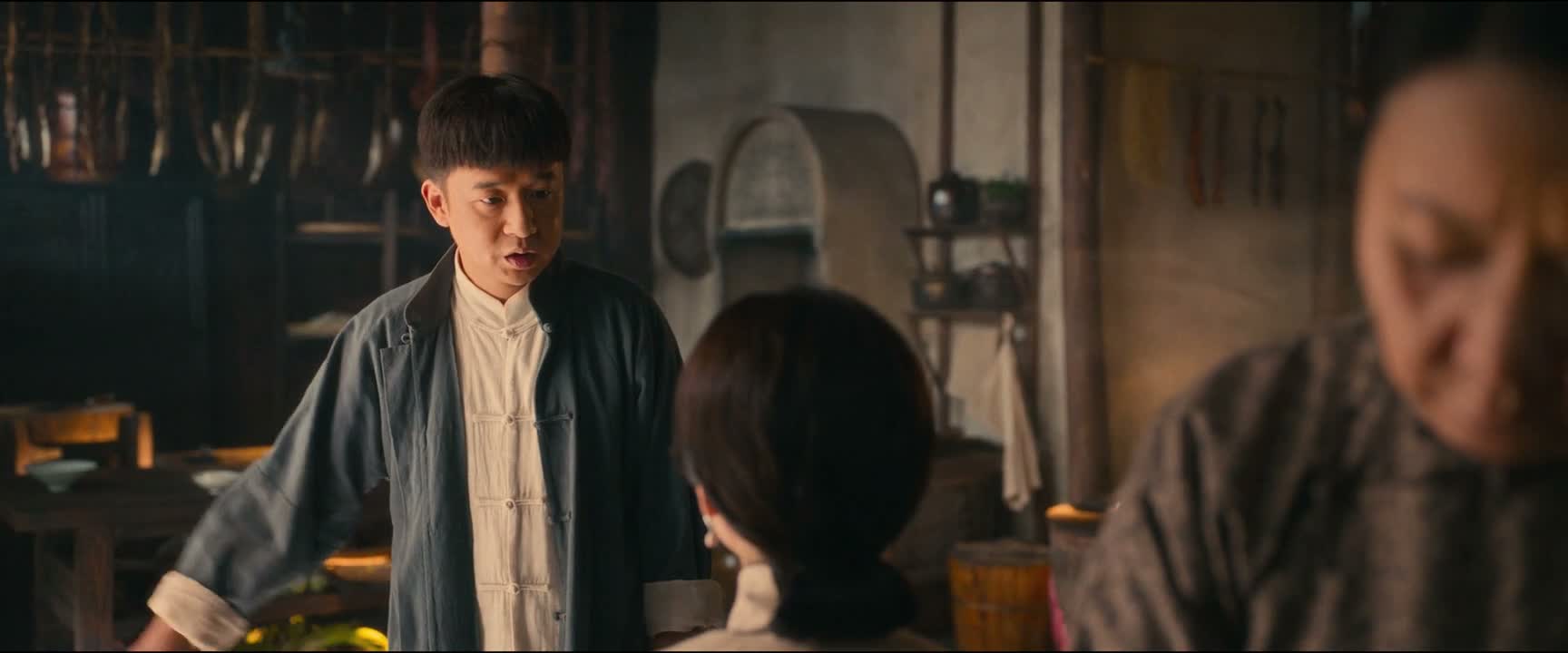
“I try to persuade Great-grandfather?”
“Let me try. What if Great-grandfather listens to me?”
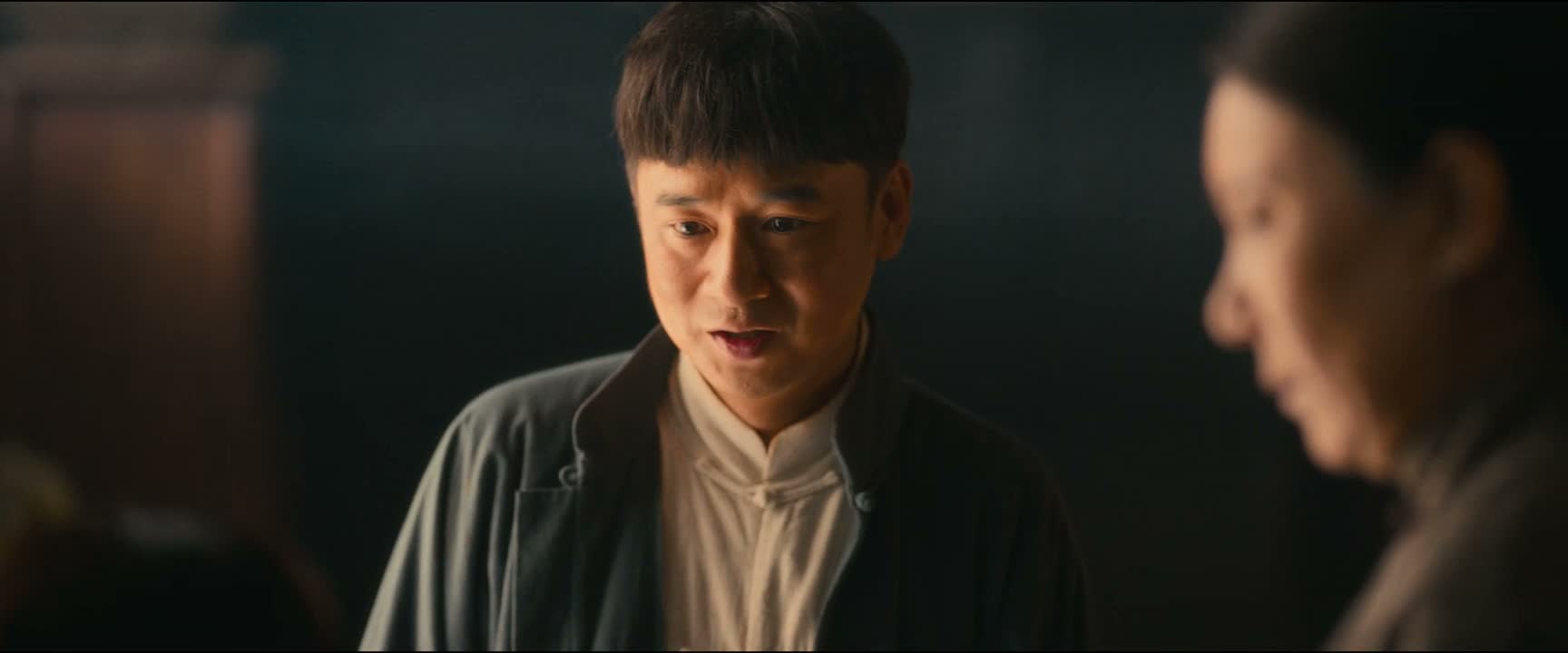
“If you can persuade Great-grandfather to go to Wuhan, we'll take you.”
“I'll make some buns for Great-grandfather first.”
“Master is almost fully recovered.”
“you should stay far away from Master. Don't drag us down.”