那我提一个压轴的要求
“Then I've got a big finale request.”
THE DIALOGUE REEL
最后一局了
“Last round.”
那我 提一个 压轴 的 要求
“Then I've got a big finale request.”
二号亲三号的脸
“Number 2 kisses Number 3 on the cheek.”
“Let me raise the stakes for the grand finale to stir things up.”
Young adults in China often play command-based party games involving drawn numbers or lots, which typically feature social matchmaking, playful teasing, and livening up the group dynamic.
LEARNING CHUNKS & PARTICLES
Originally referring to the penultimate highlight in traditional Chinese opera, it now colloquially denotes the grand finale, or the most important and anticipated person or event appearing at the end.
Commonly used as an attributive modifier before nouns, such as in 'ya zhou da xi' (grand finale performance), 'ya zhou yao qiu' (finale request), or 'ya zhou chu chang' (making a grand finale entrance).
To put forward a request, condition, wish, or rule.
A very high-frequency collocation in everyday socializing and party games, naturally pairing the verb 'ti' (to raise/put forward) with 'yao qiu' (request).
VOCABULARY & EXPRESSIONS
Parallel Spoken Cinema Scenes (语义近邻切片)
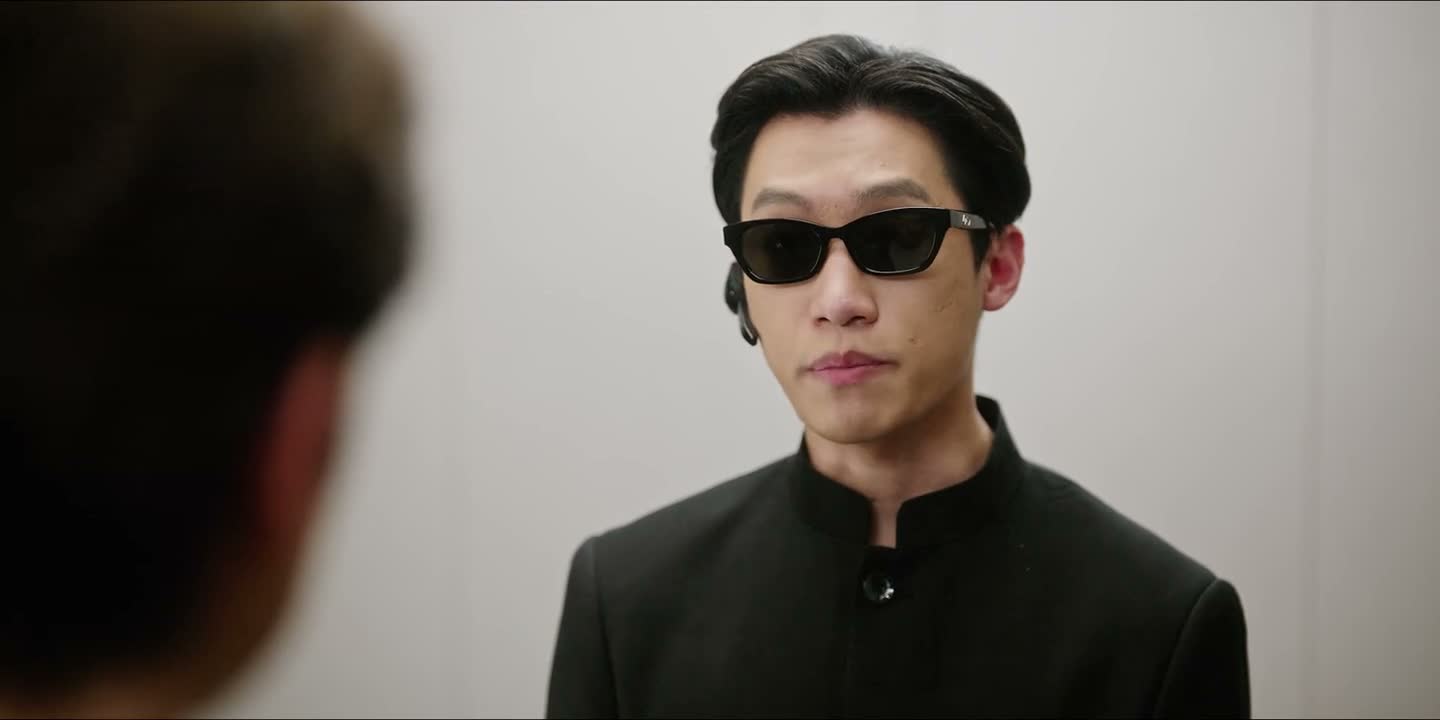
“you can make any demands you want.”

“If you have other demands, just say so.”

“I have to make a demand of you.”

“I can't accommodate your additional demands.”

“and now you're making demands here and there.”

“my request was indeed abrupt.”