记忆是一个人的全部
“stand for his or her entire life,”
THE DIALOGUE REEL
如果说
“Suppose one's memories”
记忆是一个人的全部
“stand for his or her entire life,”
“then I guess I have died once.”
“I have been through utter devastation, and that past trauma makes me feel like my former self is completely gone.”
In Chinese culture, enduring severe psychological trauma, profound despair, or recovering from a grave illness is often described as 'si guo yi hui' ('having died once'), serving as an emotional metaphor for spiritual rebirth after undergoing extreme adversity.
LEARNING CHUNKS & PARTICLES
A correlative sentence pattern expressing hypothetical inference, often used to introduce deep viewpoints or philosophical reflections.
Frequently used in both spoken and written Chinese to set up a premise and lead to a conclusion or emotional reflection in the subsequent clause.
Metaphorically describes enduring immense suffering, severe catastrophe, or a psychological journey through utter despair.
A common colloquial hyperbole used to convey profound pain or the mental state of surviving a traumatic ordeal.
VOCABULARY & EXPRESSIONS
Parallel Spoken Cinema Scenes (语义近邻切片)
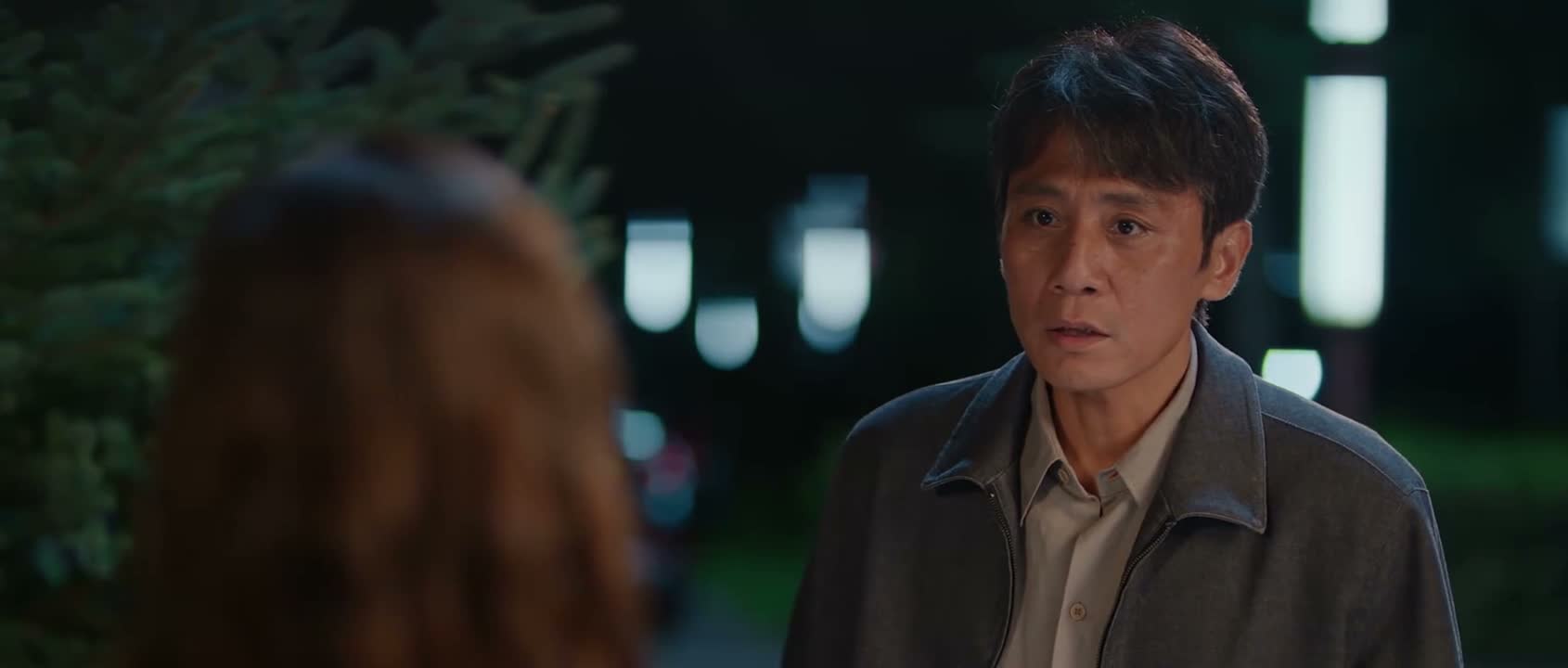
“Even vague memories can be valuable.”

“I can only remember the good memories.”

“Remember. Staying in the game is more important than anything else.”