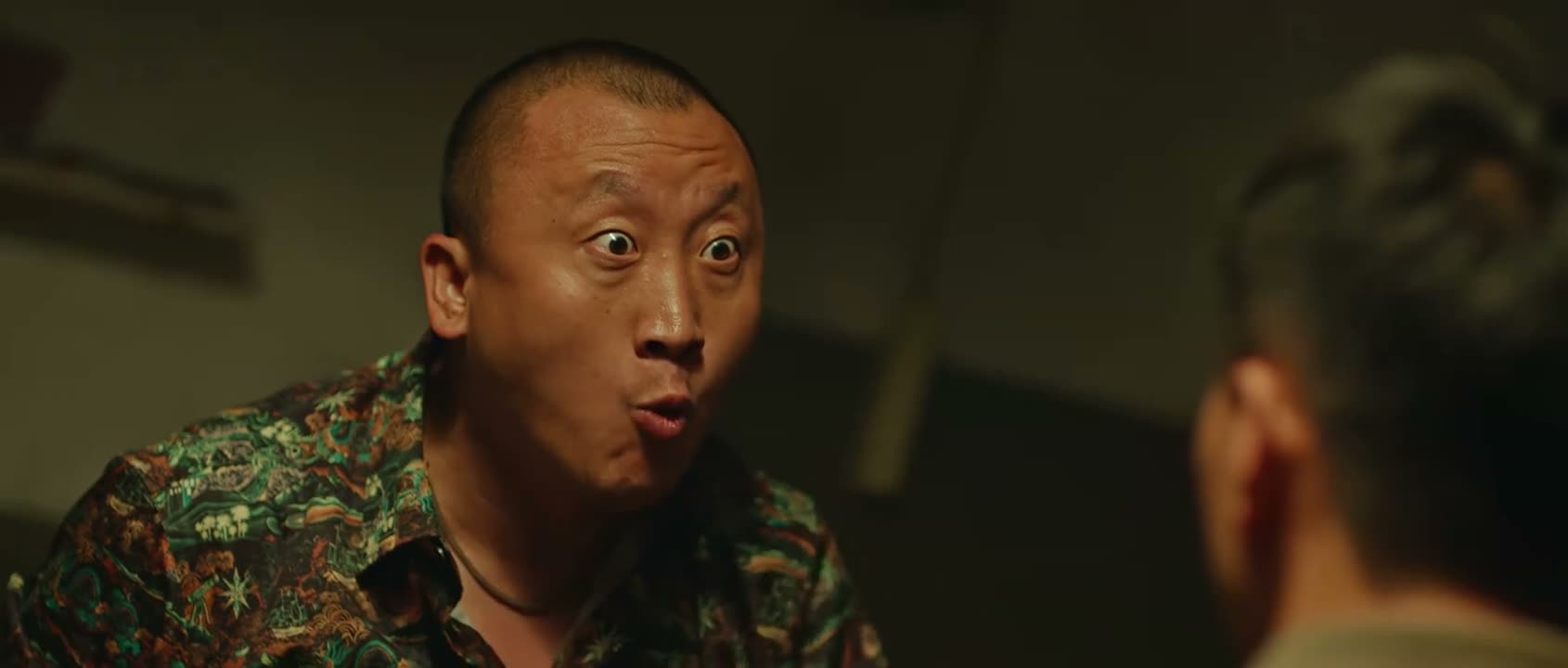
想跟我们对抗是吧
“Thinking about opposing us, huh?”
THE DIALOGUE REEL
“What? Knowing we've been coming to the market less lately?”
想跟我们对抗是吧
“Thinking about opposing us, huh?”
没有没有没有
“No, no, no. I wouldn't dare.”
“You think you can challenge us? You'd better think twice.”
In street or underworld culture, a dominant party often uses rhetorical questions to probe and intimidate potential rivals, coercing the weaker side into immediate submission and denial of defiance.
LEARNING CHUNKS & PARTICLES
to confront, stand against, or oppose someone
Commonly used in spoken Chinese to describe conflicts, rivalries, or clashes between individuals, groups, or factions.
isn't it; right
A tag question at the end of a sentence; here it serves not as a genuine inquiry, but as a menacing probe designed to intimidate.
Placed at the end of a sentence to form a rhetorical question, conveying a condescending, aggressive, and pressuring tone.