但是起床之后呢就发现 牙刷 牙膏都没有
“But when I woke up, I realized there was no toothbrush or toothpaste,”
THE DIALOGUE REEL
所以你是没睡好回来补觉啊 没有 我睡挺好的
“So, you didn't sleep well and came back to catch up? No, I slept quite well.”
但是 起床 之后呢 就 发现 牙刷 牙膏 都没有
“But when I woke up, I realized there was no toothbrush or toothpaste,”
所以我就回来了
“so I came back.”
Direct spoken expression in this communicative setting.
When accounting for one's whereabouts or sudden return to a partner, Chinese speakers often cite concrete, practical domestic details to keep the tone transparent and untroubled.
LEARNING CHUNKS & PARTICLES
after getting out of bed / after waking up
A common temporal clause used to set the background for morning events.
then discovered / came to realize
Used to introduce an unexpected observation or realization.
none at all / neither is available
Used after listing multiple items to emphasize the complete lack of all of them.
Marks a slight pause after setting the time condition, engaging the listener before delivering the main fact.
VOCABULARY & EXPRESSIONS
Parallel Spoken Cinema Scenes (语义近邻切片)
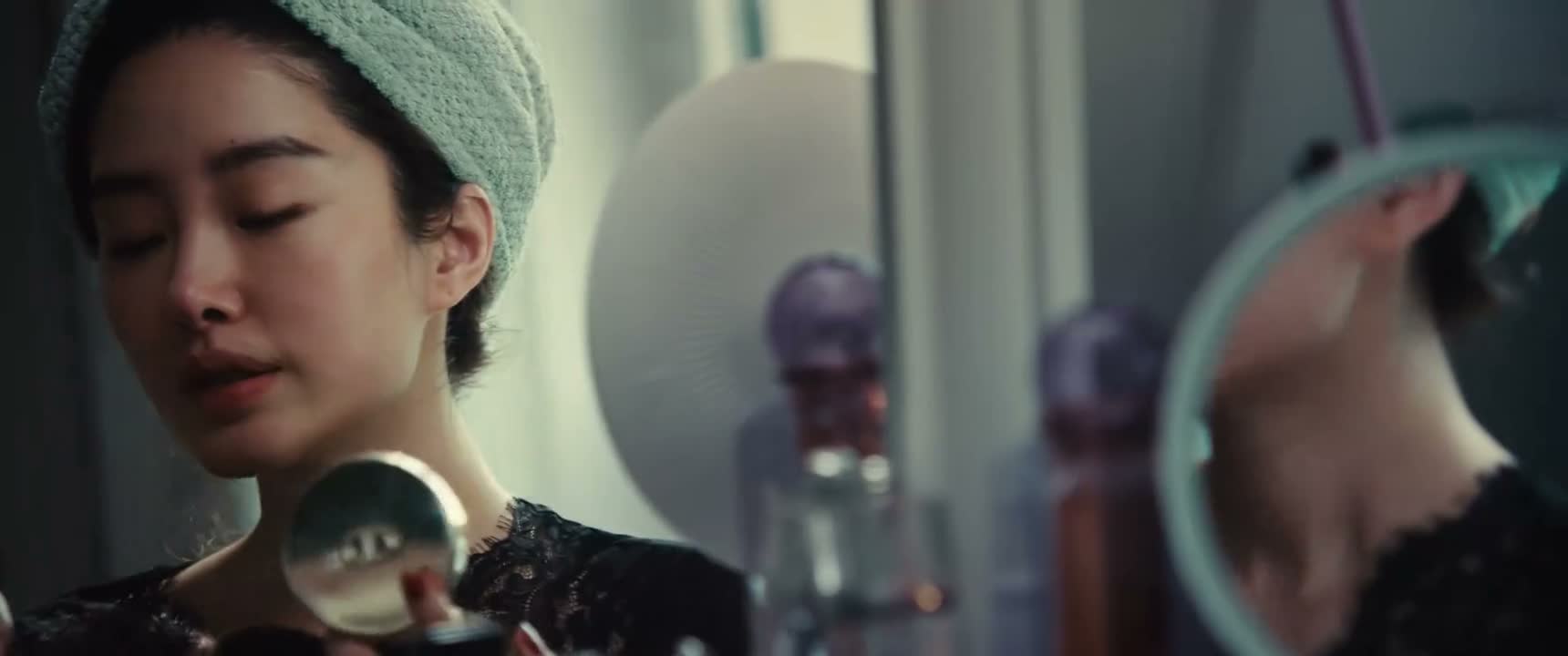
“Then, just bring a toothbrush and toothpaste and go try it out first.”

“so he asked you to bring your toothbrush and pillow back so that you don't get in the way of him seeing other women?”

“I'll brush my teeth.”
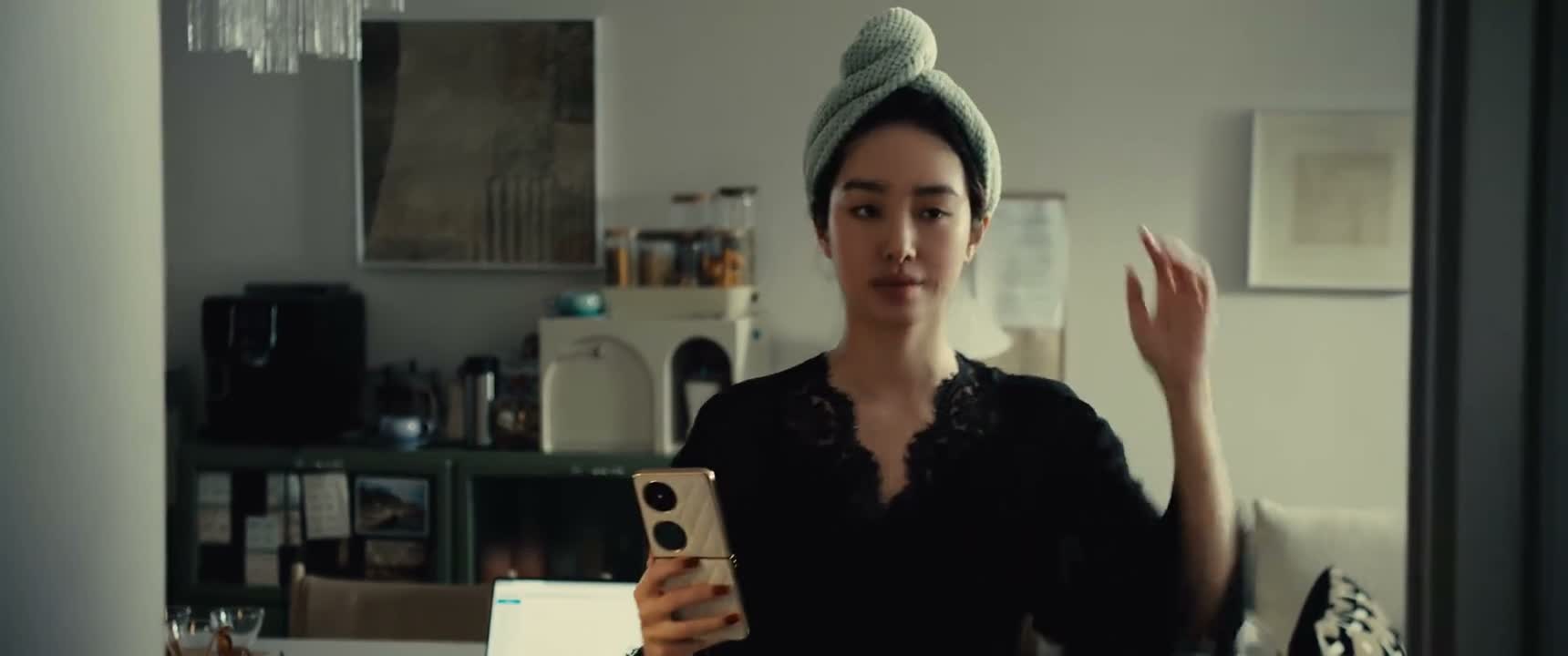
“Do I need to ask him? It's not like I'd call him”
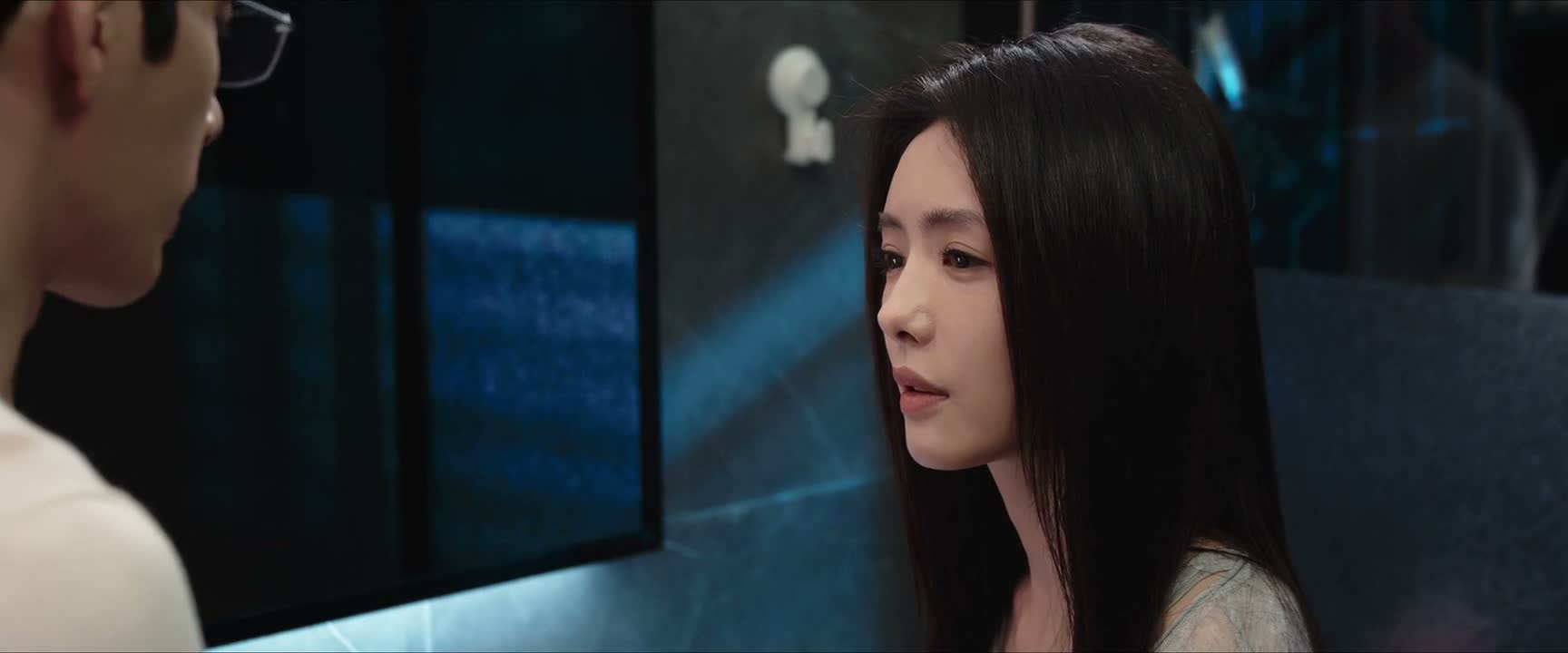
“Hurry up and brush your teeth. Then, go to bed.”
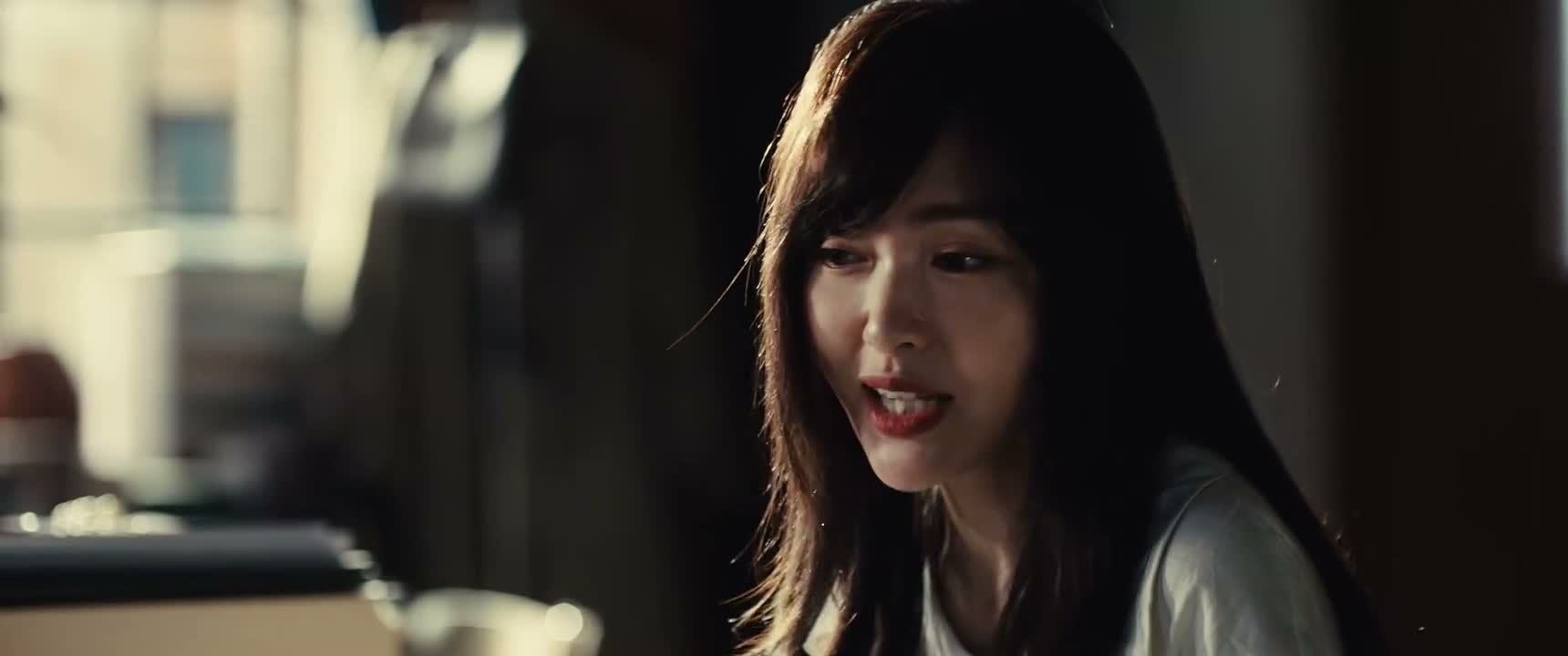
“What's with just a toothbrush and toothpaste? It's not like I have nowhere to live”