你以为放两句狂话 我就怕你吗
“Do you think I would be afraid of you just because of some trash talk?”
THE DIALOGUE REEL
你跟谁说话呢
“Who the hell do you think you are talking to?”
你以为 放两句狂话 我 就怕 你吗
“Do you think I would be afraid of you just because of some trash talk?”
“I know every single thing you did.”
“Your empty threats don't scare me at all.”
In Chinese confrontations, dismissing an opponent's threats as '狂话' (wild, arrogant talk) is a standard rhetorical strategy to diminish their authority and preserve one's own dominance.
LEARNING CHUNKS & PARTICLES
you think; do you really think
Used to challenge someone's mistaken assumption or arrogance in an argument.
talk big; brag arrogant threats
A critical colloquial expression used to demean an opponent's boastful or menacing speech.
Completes the rhetorical question to firmly reject the opponent's presumption.
VOCABULARY & EXPRESSIONS
Parallel Spoken Cinema Scenes (语义近邻切片)
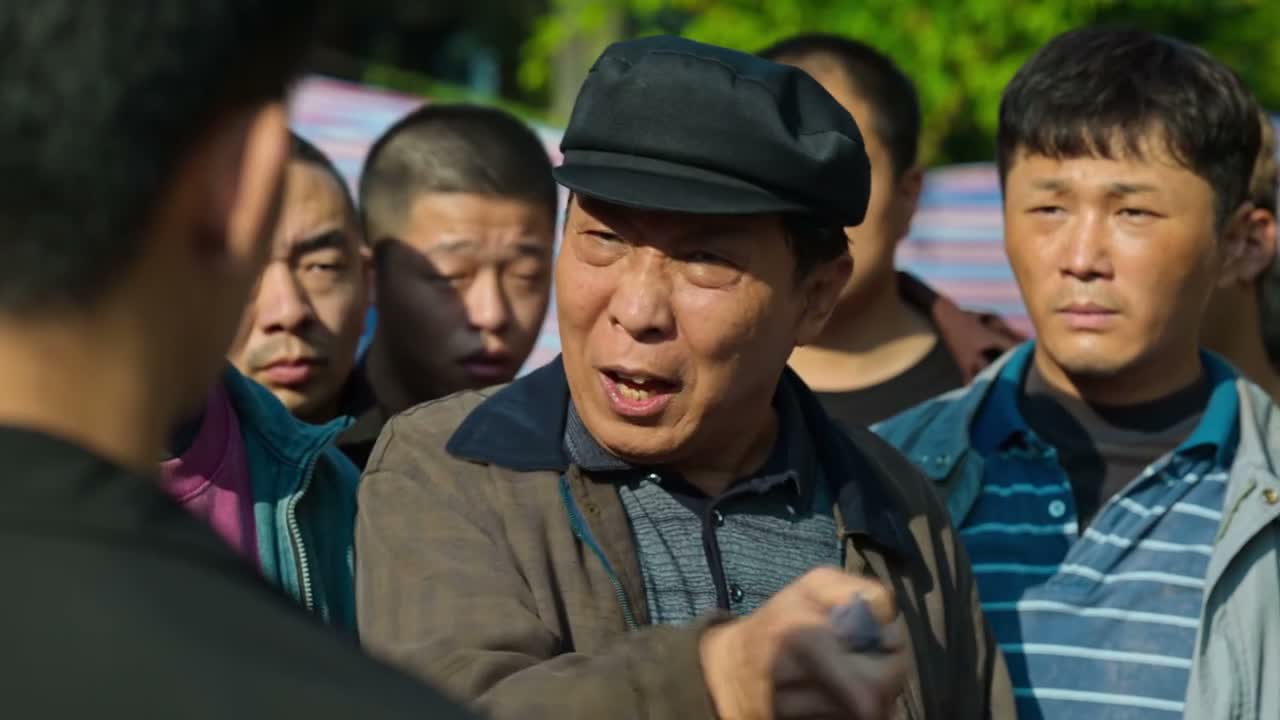
“he warned us fiercely.”

“I've already put it out there. I'm set on that time slot.”
“I'm afraid you'll slap me if we disagree.”

“and he also made a harsh threat, saying he wouldn't come back again.”

“I'm just afraid I'll say the wrong thing again and set him off.”

“I was afraid you would drive me away if I told you.”