你最后一个字是白字 你晓得吧
“The last character is a white-out. You know?”
THE DIALOGUE REEL
你说 说话别指
“Talk without pointing fingers.”
你最后一个字 是 白字 你 晓得 吧
“The last character is a white-out. You know?”
红底白字
“White looks good on the red background.”
“You cannot even pronounce words right, so why are you acting like you are in charge?”
Correcting someone's pronunciation or character usage is often employed in Chinese debates as a rhetorical tactic to strip them of authority and face.
LEARNING CHUNKS & PARTICLES
mispronounced or incorrectly written character
Commonly used in spoken Chinese to refer to typos or reading a character with the wrong pronunciation.
you know, right?
A regional or colloquial tag question used to demand confirmation or rub in an obvious point.
Forms a tag question that pressures the listener into acknowledging the speaker's claim.
VOCABULARY & EXPRESSIONS
Parallel Spoken Cinema Scenes (语义近邻切片)
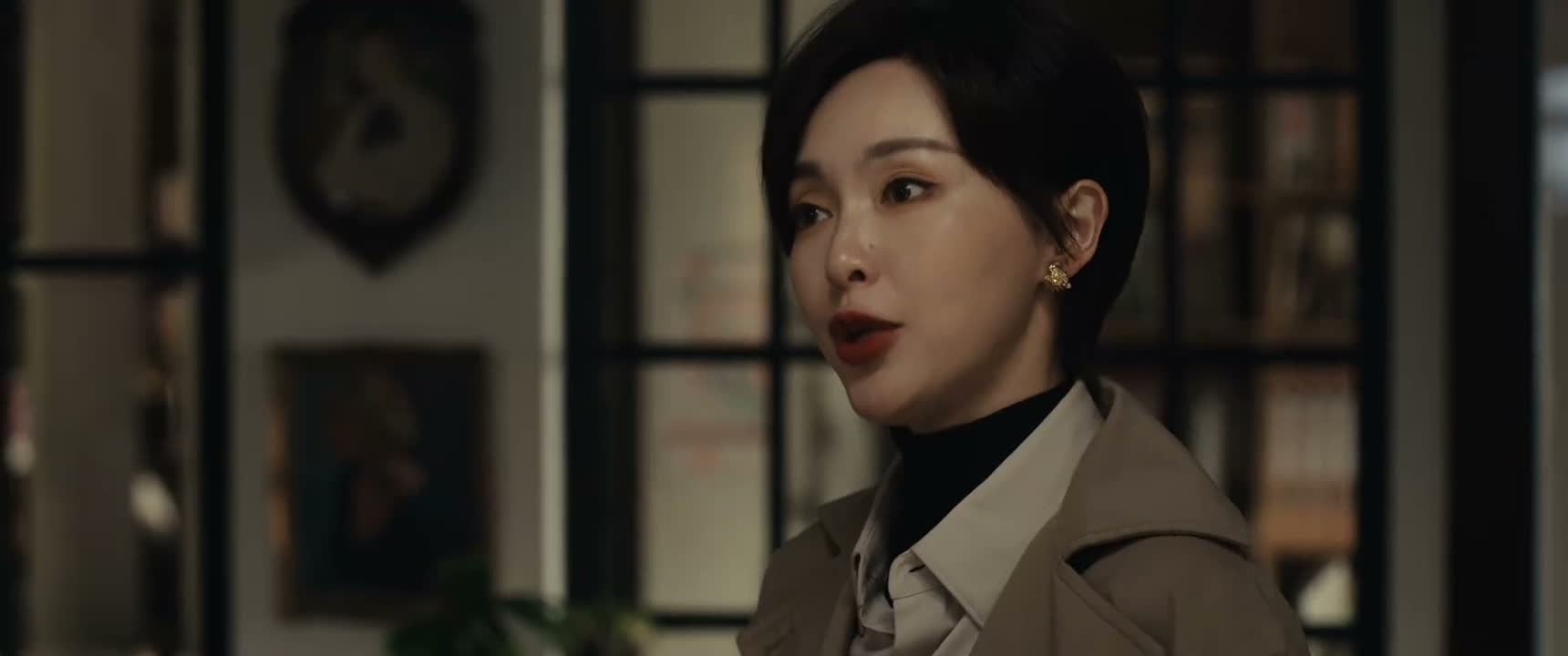
“for both you and me, this is the last time.”

“This is the last chance. And your only chance.”

“You always say "final revision."”

“But I'm telling you for the last time,”

“I'm asking you one last time today.”

“it was your last dance, didn't you?”