到点了 我去食堂打饭
“It's time. I'm going to the canteen.”
THE DIALOGUE REEL
我不坐了
“No.”
到点了 我去 食堂 打饭
“It's time. I'm going to the canteen.”
我给您拿饭盒
“I'll get your lunch box.”
“It is time for lunch, let us wrap this up now.”
In traditional Chinese work units (danwei), fetching meal portions from the collective cafeteria at fixed times is a standard daily social milestone.
LEARNING CHUNKS & PARTICLES
it is time; the scheduled time has arrived
A very common casual marker used to initiate a transition, clock out, or leave for a scheduled routine.
to fetch or purchase food from a canteen
Standard idiomatic phrase in China for getting food in a communal cafeteria or mess hall.
Marks a change of state, highlighting that the designated hour has officially arrived.
VOCABULARY & EXPRESSIONS
Parallel Spoken Cinema Scenes (语义近邻切片)
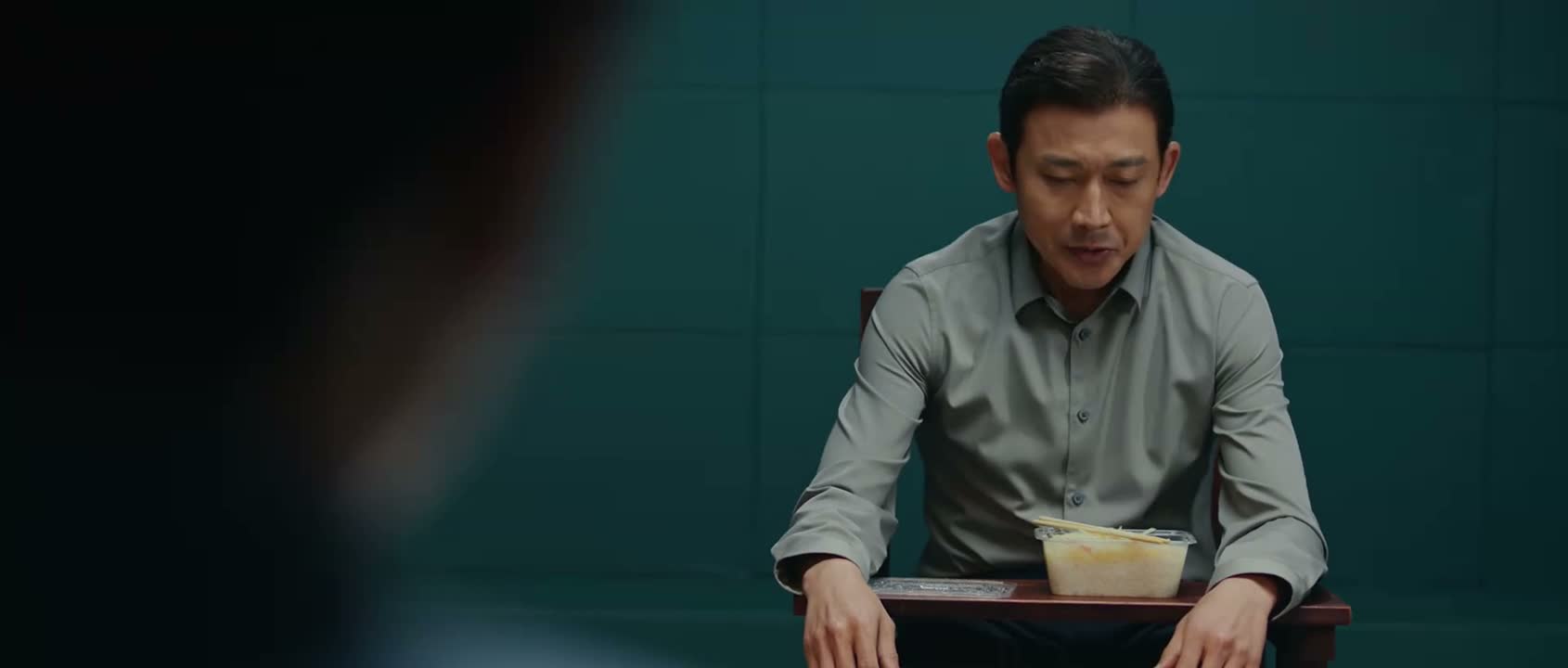
“You work in the kitchen now.”
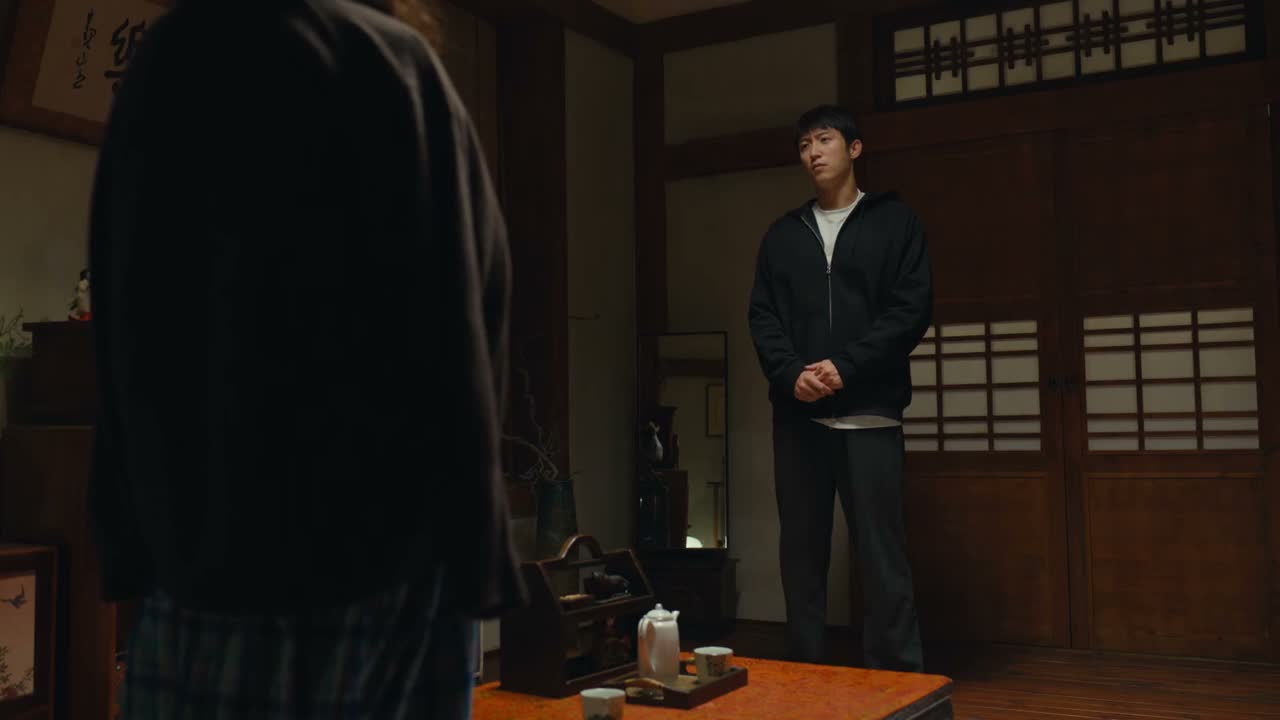
“and selling drinks”

“when it is time to have a meal, you must cook for him.”

“Take your food back to the dorms.”

“If we eat, it'll probably be after dinner. Remember to submit your draft today.”

“It's time to get off work. Why are you still here?”