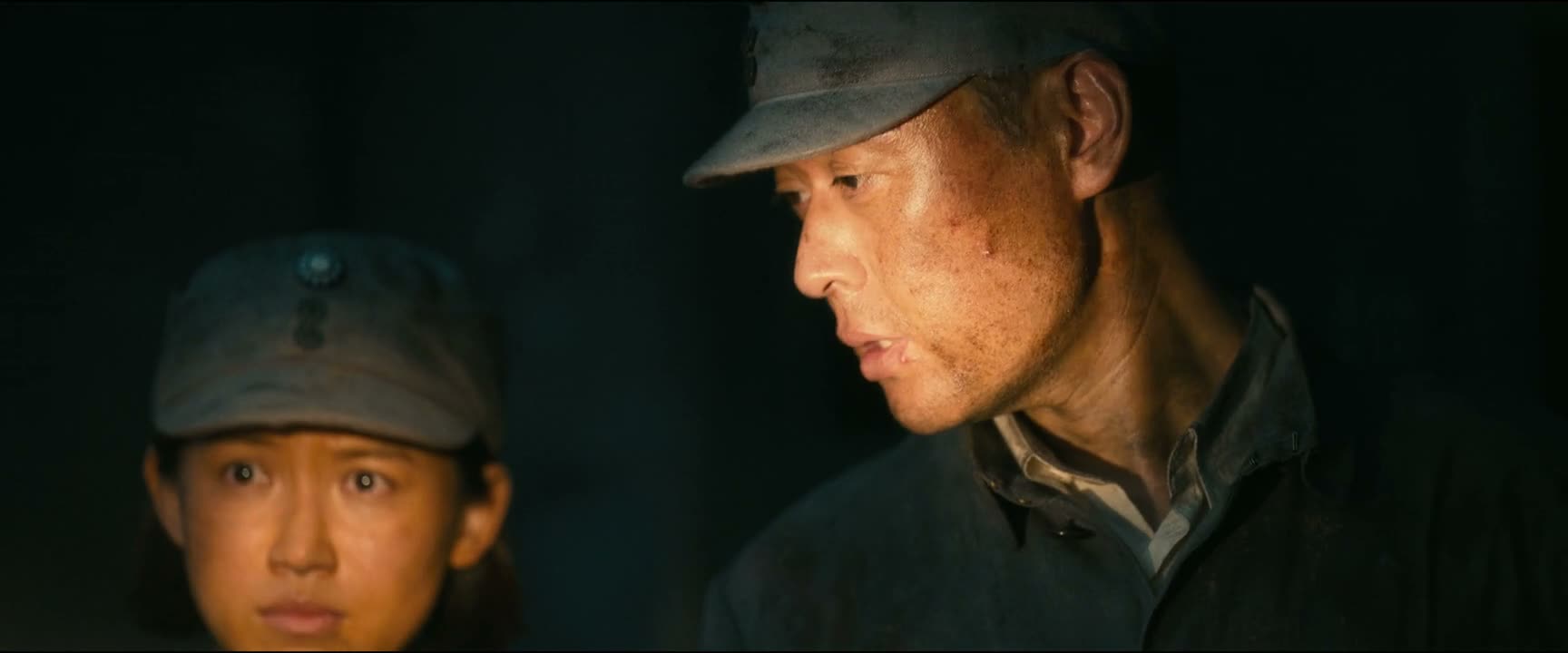
《Love Story in the 1970s》 S1·E14 (40:28)
HSK 7
yào bù tā men hái zhēn yǐ wéi nǐ hǎo qī fù ne
要不他们还真以为你好欺负呢
“Otherwise, they'd think you're a pushover.”
《Love Story in the 1970s》
S1·E14
TIMECODE: 40:28
·
1080P MASTER AUDIO
THE DIALOGUE REEL
[-1] PREVIOUS TURN
wǒ shuō nǐ jiù zǎo gāi ná chū nǐ zài běi dà huāng nà qì shì lái
“You should've shown that spirit earlier.”
yào bù tā men hái zhēn yǐ wéi nǐ hǎo qī fù ne
CURRENT FOCUS
要不 他们 还真以为 你好 欺负 呢
“Otherwise, they'd think you're a pushover.”
[+1] FOLLOW-UP TURN
nǐ xiān bié fàn chóu
你先别犯愁
“Don't worry yet.”
Subtitles synced to millisecond timecode
Browse Show Clips →
Scene:
Social & Dating
Function:
ENCOURAGING ASSERTION
Tone:
SUPPORTIVE AND RESOLUTE
Emotion:
SUPPORTIVENESS
WHAT THEY REALLY MEAN (PRAGMATIC SUBTEXT)
“You had to fight back, or they would walk all over you.”
💡 Cultural Insight: Preventing Exploitation (Bullying the Weak)
Chinese interpersonal philosophy often warns that being excessively soft or accommodating invites others to take advantage of you.
INTENT TAGS:
#encouragement
#validation
#warning
#solidarity
🧩
2 CHUNKS · 1 PARTICLES
LEARNING CHUNKS & PARTICLES
要不
SPOKEN CHUNK
otherwise / or else
A very common colloquial conjunction used at the start of a clause to introduce an undesirable consequence.
好欺负
SPOKEN CHUNK
easy to push around / pushover
Used to describe people who are overly meek, yielding, or vulnerable to mistreatment.
Modal Particle「呢」 (ne)
CHANGE OF STATE
Emphasizes the ongoing likelihood or truth of an unwelcome outcome, reinforcing the warning.
🏮
4 EXPR · 2 GRAMMAR
VOCABULARY & EXPRESSIONS
CROSS-CINEMA CORPUS BOARD · PARALLEL SCENES
EXPLORE BY SEMANTIC SIMILARITY
Parallel Spoken Cinema Scenes (语义近邻切片)

《Love Story in the 1970s》 S1·E14 (40:28) · Authentic Cinema Dialogue Corpus