听明白没 还在这儿哭呢 明天要做手术呢
“- The kid - Understand? is crying. He's having surgery tomorrow.”
THE DIALOGUE REEL
是不是你的原因 自然会查得清楚 你看这娃
“Whether it's your fault, we will investigate. - The kid - Understand?”
听明白没 还在 这儿哭 呢 明天要做手术 呢
“- The kid - Understand? is crying. He's having surgery tomorrow.”
娃 我们会给你安置好的
“We'll take good care of him.”
“Pull yourself together and stop weeping; crying won't solve anything when you have surgery tomorrow.”
In traditional northern or rural Chinese culture, caregivers often mask sympathy behind stern, brusque scolding to force emotional fortitude before severe challenges like surgery.
LEARNING CHUNKS & PARTICLES
did you understand? / did that register?
A blunt, colloquial prompt to check comprehension or snap someone back to attention.
to undergo or perform surgery
The standard spoken collocation for undergoing an operation.
Highlights an ongoing state of weeping and emphasizes the contrasting urgent fact of tomorrow's surgery.
VOCABULARY & EXPRESSIONS
Parallel Spoken Cinema Scenes (语义近邻切片)
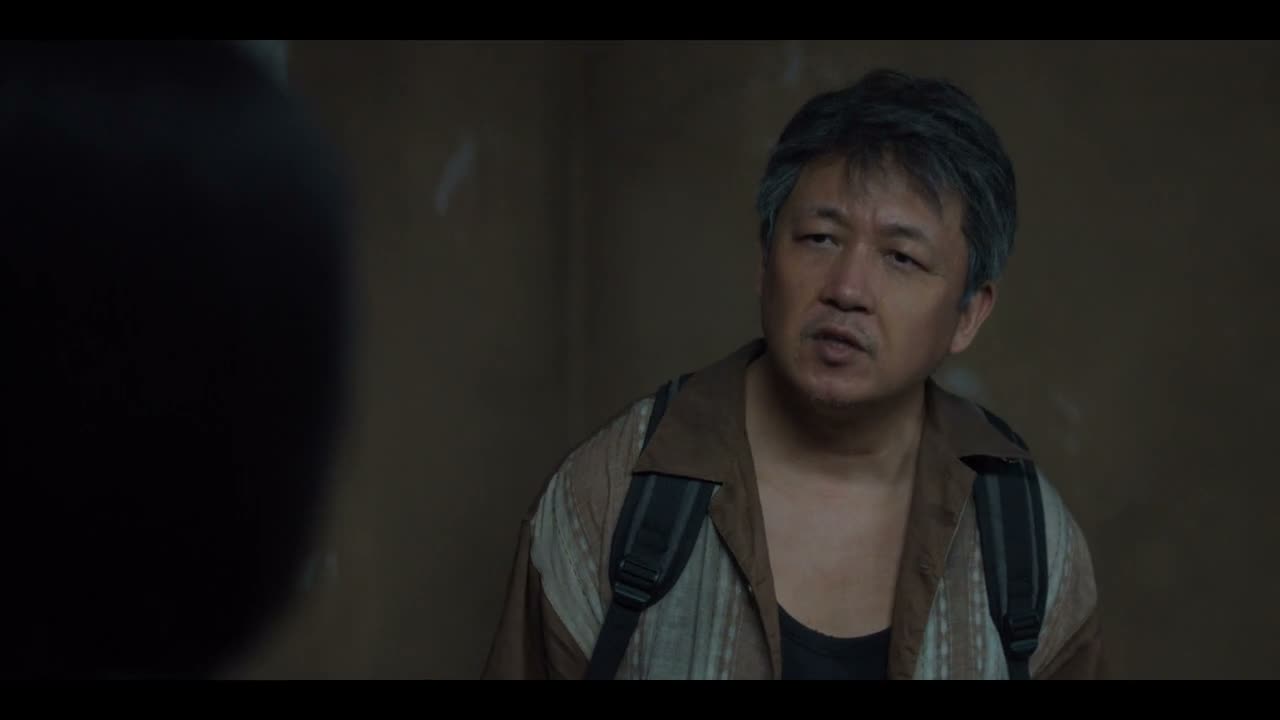
“Understood? You have to rely on yourself.”

“Don't cry. No tears on a day like today.”

“Is that clear, boys? Wait. How come I don't get it?”

“Understand? 23:34, February 28,”

“I couldn't hear you clearly. Could you please repeat that?”

“the next time you cry will be in 30 minutes.”