不必了 油滑的事我学不来
“No thanks. I'm not good at being slick.”
THE DIALOGUE REEL
“I can teach you how not to get ostracized by coworkers.”
不必了 油滑 的事我学不来
“No thanks. I'm not good at being slick.”
“Keep your slimy survival tricks to yourself; I have principles.”
In Chinese work culture, 'you hua' refers to being slick, calculating, and flattering; principled employees often pride themselves on refusing to engage in such behavior despite professional penalties.
LEARNING CHUNKS & PARTICLES
no need / that won't be necessary
A crisp, slightly formal refusal that firmly closes the door on further offers.
cannot bring oneself to learn / unable to adopt
Used as a potential complement negation to express an inability or unwillingness to adapt to certain negative habits.
Completes the refusal formula '不必了', signaling that the offer is finalized and rejected.
VOCABULARY & EXPRESSIONS
Parallel Spoken Cinema Scenes (语义近邻切片)

“No need. I...I can go by myself.”

“No need. Don't trouble yourself.”
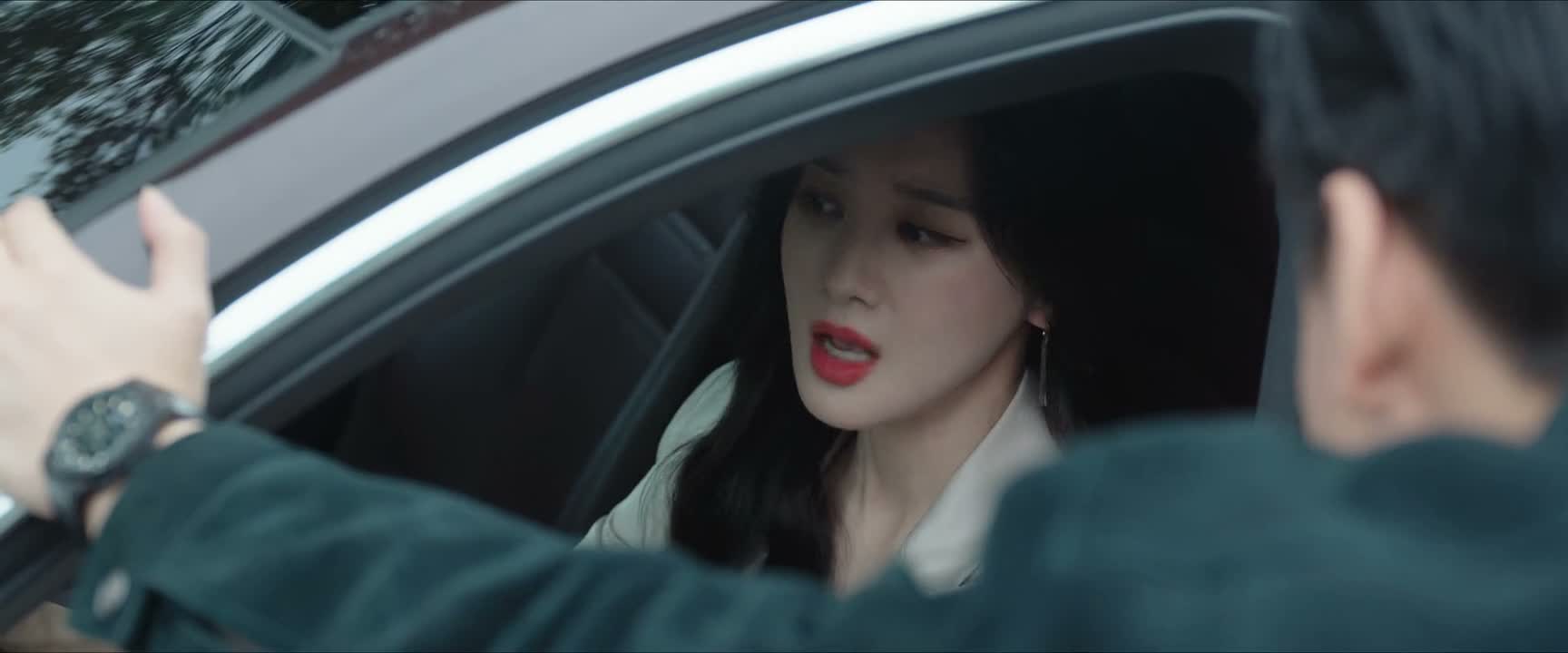
“No thanks. Move your car. I've got things to do.”

“It's fine. You can go rest.”

“No need, I'll head back on my own later.”

“No, thanks, I have no appetite.”