你走的时候是不是没关水龙头
“Did you leave the faucet on when you left?”
THE DIALOGUE REEL
怎么了
“What happened?”
你走 的时候 是不是 没关水龙头
“Did you leave the faucet on when you left?”
水龙头
“The faucet?”
“You forgot to turn off the faucet, didn't you? Look at the trouble you caused.”
In spoken Chinese, framing an accusation with '是不是' softens the outright assertion into a question, giving the listener room to answer while implying clear fault.
LEARNING CHUNKS & PARTICLES
when leaving / at the time of departure
A temporal construction used to specify circumstances at the moment of departing.
turn off the faucet / tap
Standard collocation for turning off a water tap.
VOCABULARY & EXPRESSIONS
Parallel Spoken Cinema Scenes (语义近邻切片)
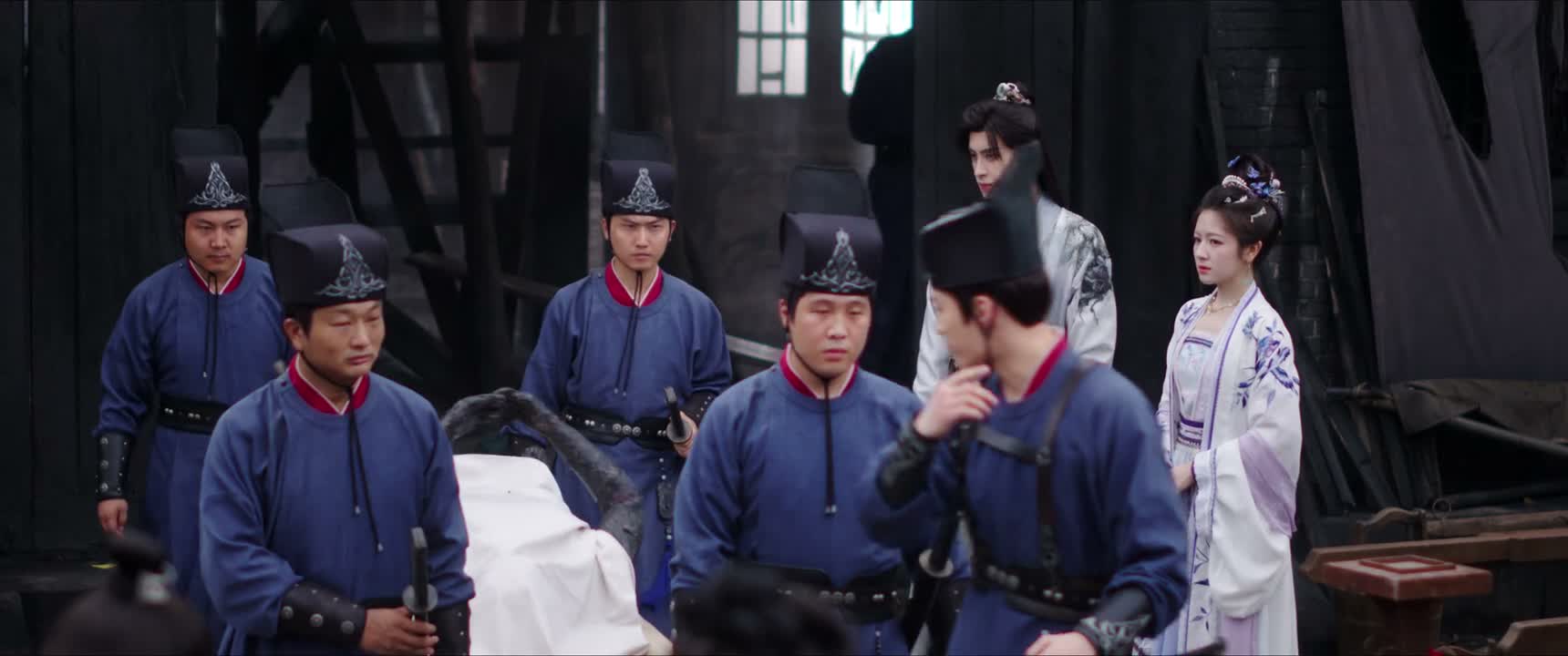
“How did he let a fire start in his shop?”

“By the way, are those pipes fixed now?”

“Go check it out! Is there a fire?”

“Why are you still here?”

“You can leave whenever you want.”

“Can we leave after the storm?”