碰到过车主 这车不是你的呀
“downstairs before. That car isn't yours.”
THE DIALOGUE REEL
不对啊 我突然想起来 我之前在这个小区楼下
“Wait, I just remembered. I ran into the owner”
碰到 过车主 这车 不是你的 呀
“downstairs before. That car isn't yours.”
“You match the saddle to the mule.”
“Caught you! Stop pretending this car belongs to you.”
Car ownership is often tied to social status and dating impressions in urban China, making attempts to feign wealth a frequent subject of teasing or exposure among peers.
LEARNING CHUNKS & PARTICLES
have run into / have encountered
Common spoken pattern using the experiential particle to indicate having met or run into someone before.
car owner
A standard compound noun used in everyday conversations when referring to the owner of a vehicle.
Softens the direct accusation while reinforcing a tone of realization or questioning.
VOCABULARY & EXPRESSIONS
Parallel Spoken Cinema Scenes (语义近邻切片)

“It was this car. I remember it clearly.”
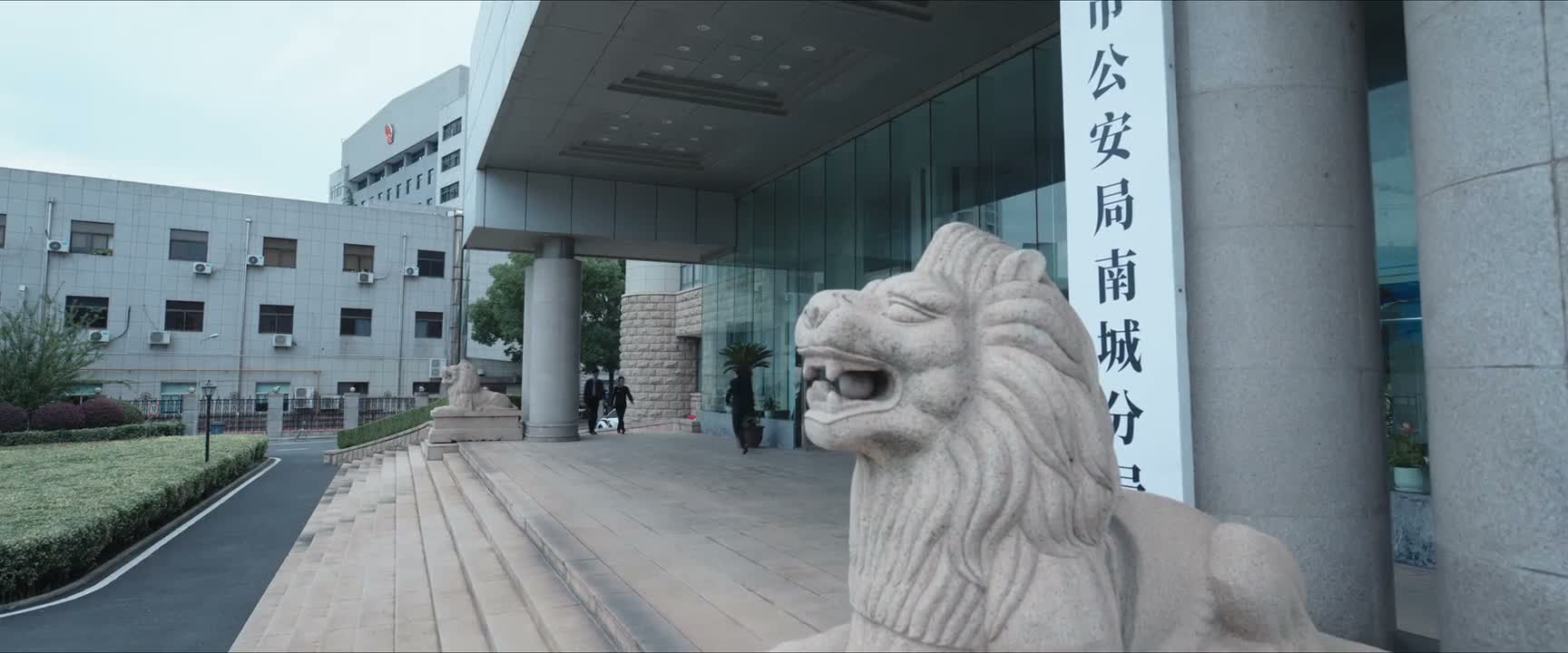
“You asked me to investigate that car. I found the owner”

“After that, I used every means to investigate who the owner was.”
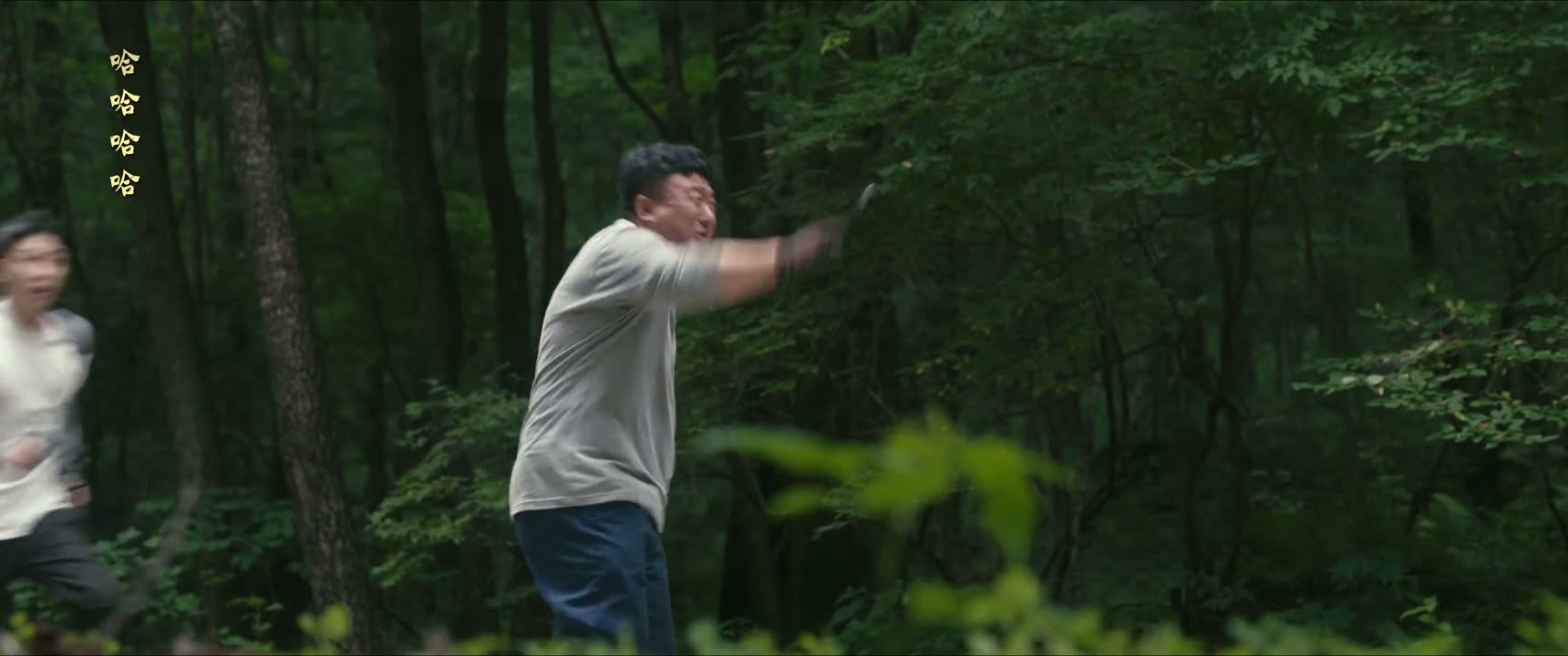
“Someone drove my car away! ♪ Ha ha ha ha ♪”
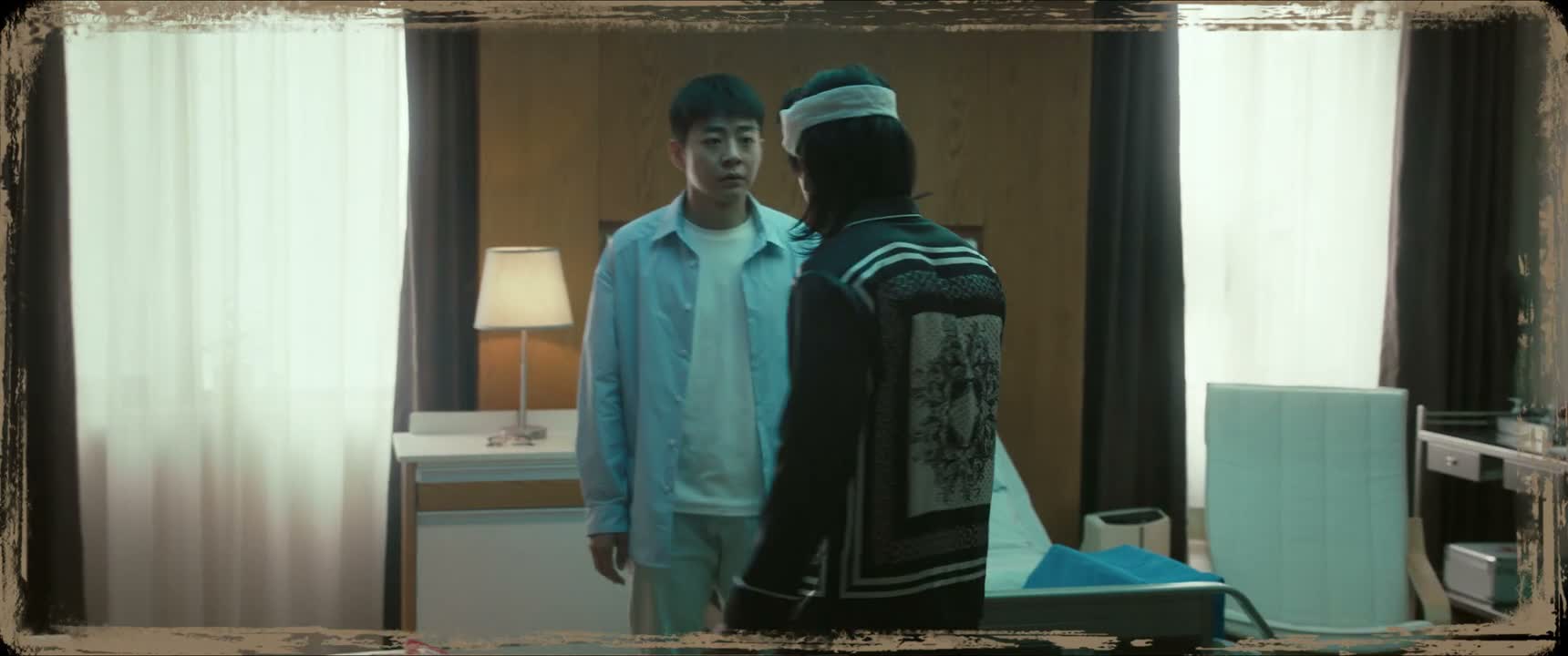
“Which car did you drive to hit him?”
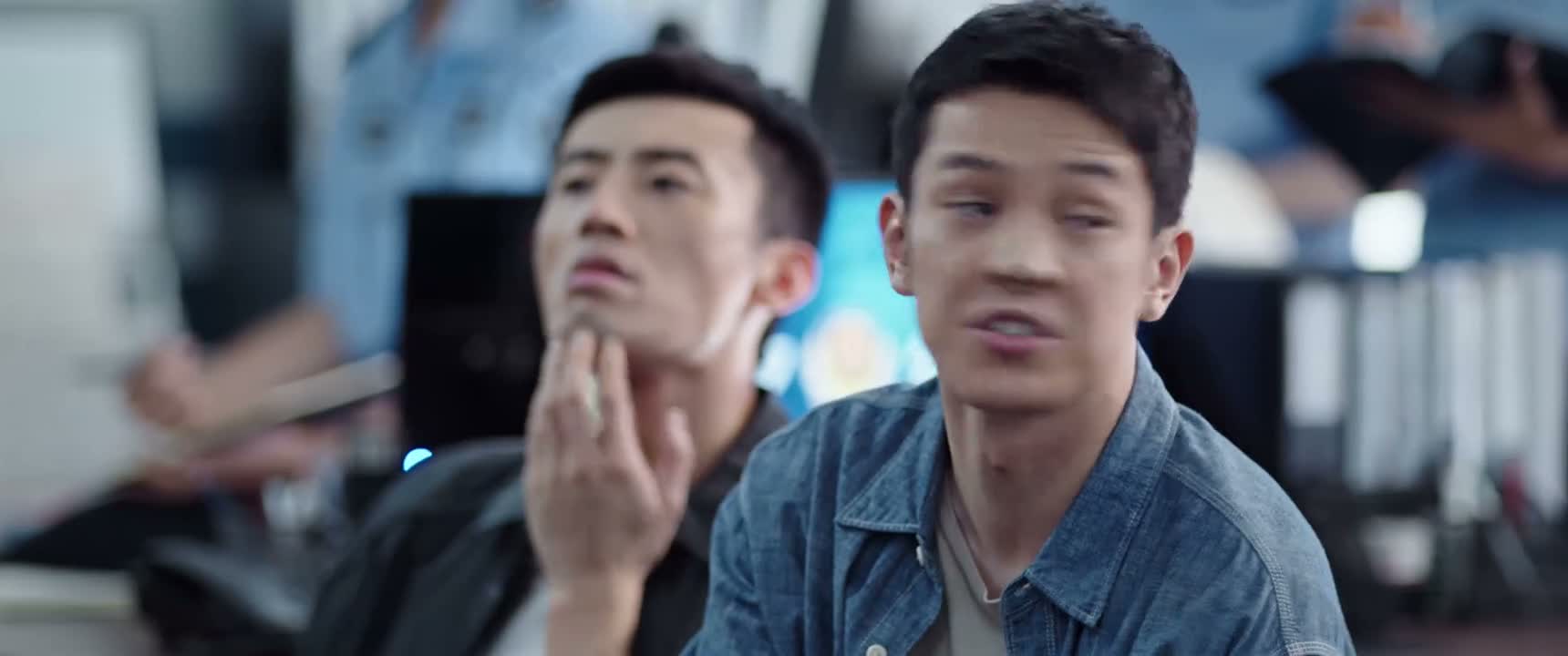
“could it be a carjacking?”