《Love Has Fireworks》 S1·E12 (03:57)
HSK 3
wǒ bú shì wèi nǐ hǎo ma wèi wǒ hǎo
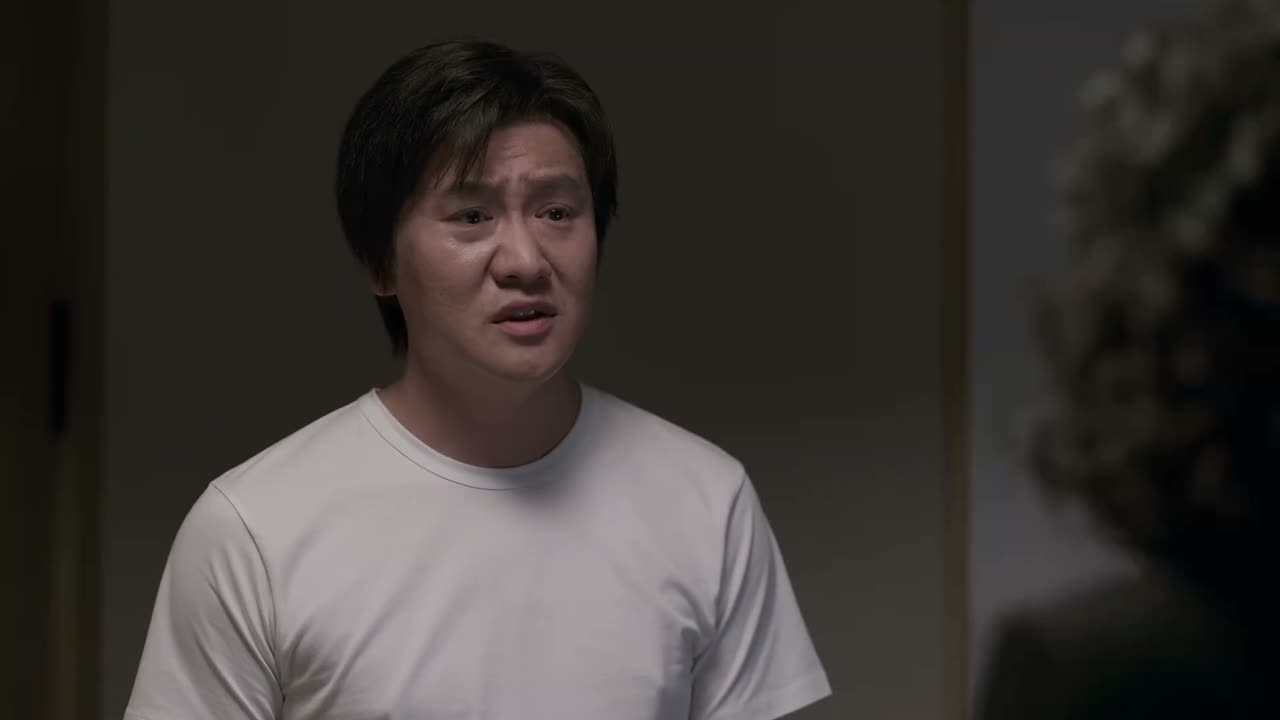
我不是为你好吗 为我好
“Aren't I doing this for your own good? For my good?”
《Love Has Fireworks》
S1·E12
TIMECODE: 03:57
·
1080P MASTER AUDIO
THE DIALOGUE REEL
[-1] PREVIOUS TURN
tā jiù ràng nín tì bān le nà rén jiā yě shì zhī dào wǒ nà ge
她就让您替班了 那人家也是知道我那个
“and she let you cover her shift? Well, she knows that I...”
wǒ bú shì wèi nǐ hǎo ma wèi wǒ hǎo
CURRENT FOCUS
我不是 为你好 吗 为我好
“Aren't I doing this for your own good? For my good?”
[+1] FOLLOW-UP TURN
hái shì wèi le jiān shì wǒ a
还是为了监视我啊
“Or to spy on me?”
Subtitles synced to millisecond timecode
Browse Show Clips →
Scene:
Family & Home
Function:
CHALLENGING MOTIVE
Tone:
CONFRONTATIONAL
Emotion:
FRUSTRATION
WHAT THEY REALLY MEAN (PRAGMATIC SUBTEXT)
“Stop pretending this is for my benefit when you just want to control me.”
💡 Cultural Insight: Benevolent Control ('For Your Own Good')
In Chinese intergenerational relationships, elders often justify intrusive monitoring or boundary-crossing under the moral banner of caring for the child's welfare.
INTENT TAGS:
#confrontation
#skepticism
#defiance
#demanding_autonomy
🧩
1 CHUNKS · 1 PARTICLES
LEARNING CHUNKS & PARTICLES
为你好
SPOKEN CHUNK
for your own good
A very common phrase used by elders or superiors, frequently criticized by younger generations for justifying boundary overstepping.
Modal Particle「吗」 (ma)
CHANGE OF STATE
Forms a rhetorical question that prompts the listener to reflect on an alleged self-evident truth.
🏮
3 EXPR · 1 GRAMMAR
VOCABULARY & EXPRESSIONS
COLLOQUIAL EXPRESSIONS:
GRAMMAR BLUEPRINTS:
CROSS-CINEMA CORPUS BOARD · PARALLEL SCENES
EXPLORE BY SEMANTIC SIMILARITY
Parallel Spoken Cinema Scenes (语义近邻切片)

《Love Has Fireworks》 S1·E12 (03:57) · Authentic Cinema Dialogue Corpus