MC
MandarinClips Cinema Corpus
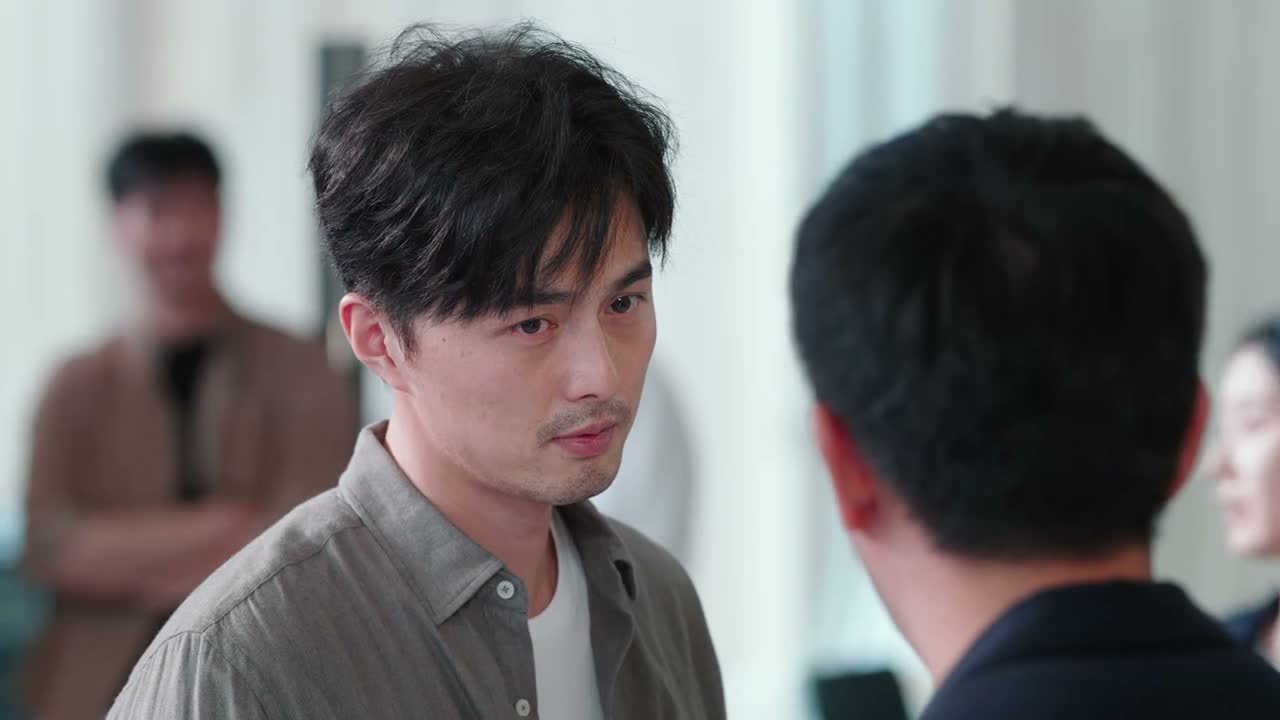
《Lady Liberty》 S1·E7 (12:55) HSK 4
nà bù jiù zhèng míng wǒ shuō dé méi cuò ma tā bà yǒu wèn tí a

那不就证明我说得没错吗 她爸有问题啊

“Doesn't that prove I was right? Her dad is the problem.”

《Lady Liberty》 S1·E7
TIMECODE: 12:55 · 1080P MASTER AUDIO

THE DIALOGUE REEL

1+1+1 SPOKEN CONTINUITY
[-1] PREVIOUS TURN tā bà qù nǐ gōng sī bǎ nǐ dà mà le yī dùn

“He went to your office and chewed you out?”

nà bù jiù zhèng míng wǒ shuō dé méi cuò ma tā bà yǒu wèn tí a CURRENT FOCUS

那 不就 证明 我说 得 没错吗 她爸 有问题啊

“Doesn't that prove I was right? Her dad is the problem.”

[+1] FOLLOW-UP TURN zhǎng zhū shì wǒ de zhù lǐ a

掌珠是我的助理啊

“Zhangzhu is my assistant.”

Subtitles synced to millisecond timecode Browse Show Clips →
Scene: Daily Life
Function: VINDICATING SELF
Tone: ASSERTIVE AND VINDICATED
Emotion: SMUGNESS
WHAT THEY REALLY MEAN (PRAGMATIC SUBTEXT)
“See? I told you so! You should have listened to me from the start.”
💡 Cultural Insight: Rhetorical Self-Vindication

In informal Chinese debate, opening with a negative rhetorical question like 'doesn't this prove...' is a classic way to decisively validate one's foresight.

INTENT TAGS: #vindication #assertion #confirmation #self_justification
🧩

LEARNING CHUNKS & PARTICLES

2 CHUNKS · 2 PARTICLES
那不就证明 SPOKEN CHUNK

doesn't that just prove...

Use this rhetorical starter to seize evidence that supports your earlier claim.

有问题 SPOKEN CHUNK

to have issues / to be problematic

Frequently used colloquially to suggest that a person is suspicious, unstable, or untrustworthy.

Modal Particle「吗」 (ma) CHANGE OF STATE

Forms a rhetorical question that expects strong agreement.

Modal Particle「啊」 (a) CHANGE OF STATE

Adds emotional emphasis and certainty to the speaker's claim.
🏮

VOCABULARY & EXPRESSIONS

4 EXPR · 3 GRAMMAR
CROSS-CINEMA CORPUS BOARD · PARALLEL SCENES

Parallel Spoken Cinema Scenes (语义近邻切片)

EXPLORE BY SEMANTIC SIMILARITY
《Lady Liberty》 S1·E7 (12:55) · Authentic Cinema Dialogue Corpus