MC
MandarinClips Cinema Corpus
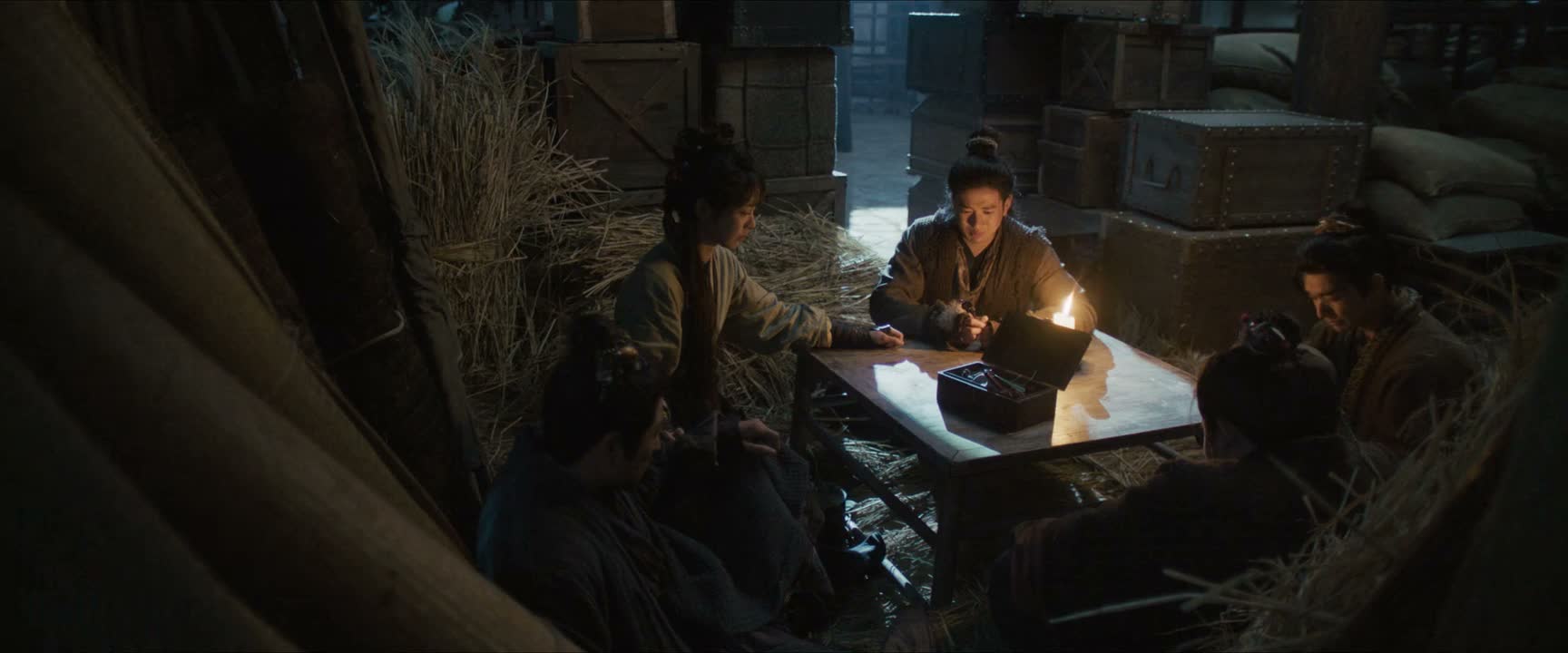
《Vanished Name》 S1·E24 (24:06) HSK 7
nǐ yào shì bù lái qìng zhōu tā néng chéng xiàn zài zhè ge guǐ yàng zi ma

你要是不来庆州 她能成现在这个鬼样子吗

“If you hadn't come, would she be in this terrible state?”

《Vanished Name》 S1·E24
TIMECODE: 24:06 · 1080P MASTER AUDIO

THE DIALOGUE REEL

1+1+1 SPOKEN CONTINUITY
[-1] PREVIOUS TURN dōu guài nǐ qiā sǐ wǒ le dōu shì nǐ bǎ tā tuō lěi de

都怪你 掐死我了 都是你把她拖累的

“- It's your fault. - It hurts! You dragged her down.”

nǐ yào shì bù lái qìng zhōu tā néng chéng xiàn zài zhè ge guǐ yàng zi ma CURRENT FOCUS

你要是 不来 庆州 她 能成 现 在这 个 鬼样子 吗

“If you hadn't come, would she be in this terrible state?”

[+1] FOLLOW-UP TURN mà tā gàn shá

骂他干啥

“Why are you scolding him? What does it have to do with him?”

Subtitles synced to millisecond timecode Browse Show Clips →
Scene: Crisis & Conflict
Function: BLAMING
Tone: ACCUSATORY
Emotion: ANGER
WHAT THEY REALLY MEAN (PRAGMATIC SUBTEXT)
“Everything that ruined her life is entirely your fault.”
💡 Cultural Insight: Venting Through Rhetorical Blame

In high-stress family conflicts, speakers frequently employ counterfactual rhetorical questions to maximize guilt.

INTENT TAGS: #blaming #accusing #venting #guilt_tripping
🧩

LEARNING CHUNKS & PARTICLES

2 CHUNKS · 1 PARTICLES
要不是 SPOKEN CHUNK

if it weren't for; if not for

Introduces a counterfactual condition, frequently used in accusatory or regretful contexts.

鬼样子 SPOKEN CHUNK

terrible state; awful mess

A harsh, derogatory expression used to describe an appalling appearance, behavior, or life situation.

Modal Particle「吗」 (ma) CHANGE OF STATE

Turns the sentence into an aggressive rhetorical question expecting a negative answer.
🏮

VOCABULARY & EXPRESSIONS

4 EXPR · 2 GRAMMAR
CROSS-CINEMA CORPUS BOARD · PARALLEL SCENES

Parallel Spoken Cinema Scenes (语义近邻切片)

EXPLORE BY SEMANTIC SIMILARITY
《Vanished Name》 S1·E24 (24:06) · Authentic Cinema Dialogue Corpus