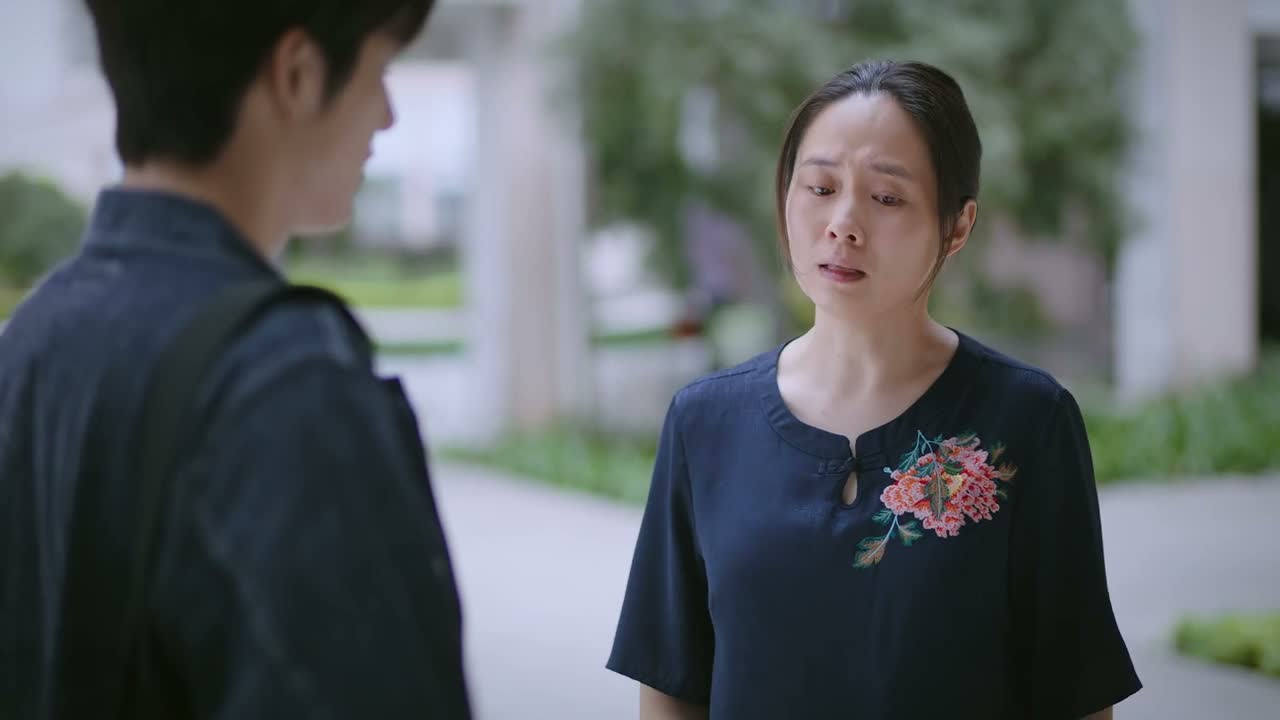
绑自己妈 你可真够缺德的
“Tying up your own mother? You're a real piece of work.”
THE DIALOGUE REEL
有时候还得绑着她呢
“Sometimes we even have to tie her up.”
绑 自己 妈 你 可真 够 缺德 的
“Tying up your own mother? You're a real piece of work.”
我和我爸也不想绑 是医生让的
“My dad and I didn't want to. The doctor told us we had to.”
“How can you be so heartless and cruel to your own mother?”
Respect and care for parents are supreme virtues in Chinese society; physically restraining a parent, even for medical necessity, triggers immediate moral outrage if unexplained.
LEARNING CHUNKS & PARTICLES
lacking morals; wicked; mean-spirited
A strong, colloquial insult used to condemn actions that violate basic moral or human decency.
really quite; certainly is quite
An emphatic spoken construction often used sarcastically or critically before negative adjectives.
Functions as a categorical assertion marker at the end of the clause, reinforcing certainty and moral evaluation.
VOCABULARY & EXPRESSIONS
Parallel Spoken Cinema Scenes (语义近邻切片)

“Tie him up. Take him back.”

“Otherwise... Why did you come to kidnap me? Why didn't your master come?”

“Don't turn into someone like me.”

“why did your mom take her away without telling you?”

“We can't just let her be! Hold it down! You're scaring the baby.”
“Your mother left you,”