没有 程哥 怎么敢呢 是不是
“Not at all, Cheng. How would I dare? Right?”
THE DIALOGUE REEL
没有 程哥 怎么敢呢 是不是
“Not at all, Cheng. How would I dare? Right?”
“Please do not get angry with me; I know my place and would never dare cross you.”
In high-stakes social interactions, offending a dominant figure's face (面子) can provoke immediate danger, requiring explicit self-lowering expressions of deference like 'how dare I'.
LEARNING CHUNKS & PARTICLES
How would I dare?; I wouldn't dream of it
A highly humble and self-lowering rhetorical question used to urgently deny offending a superior or powerful figure.
Isn't that right?
Added at the end of an explanation to seek immediate consensus and soften tension.
Enhances the rhetorical quality of the question to stress the impossibility of offending the other person.
VOCABULARY & EXPRESSIONS
Parallel Spoken Cinema Scenes (语义近邻切片)

“Why can't Rong go there?”

“Ken. Where are you going this late? Do you know what time it is?”

“What? Don't you trust me? I do trust you.”

“I aimed at Chengcheng because I had no choice.”
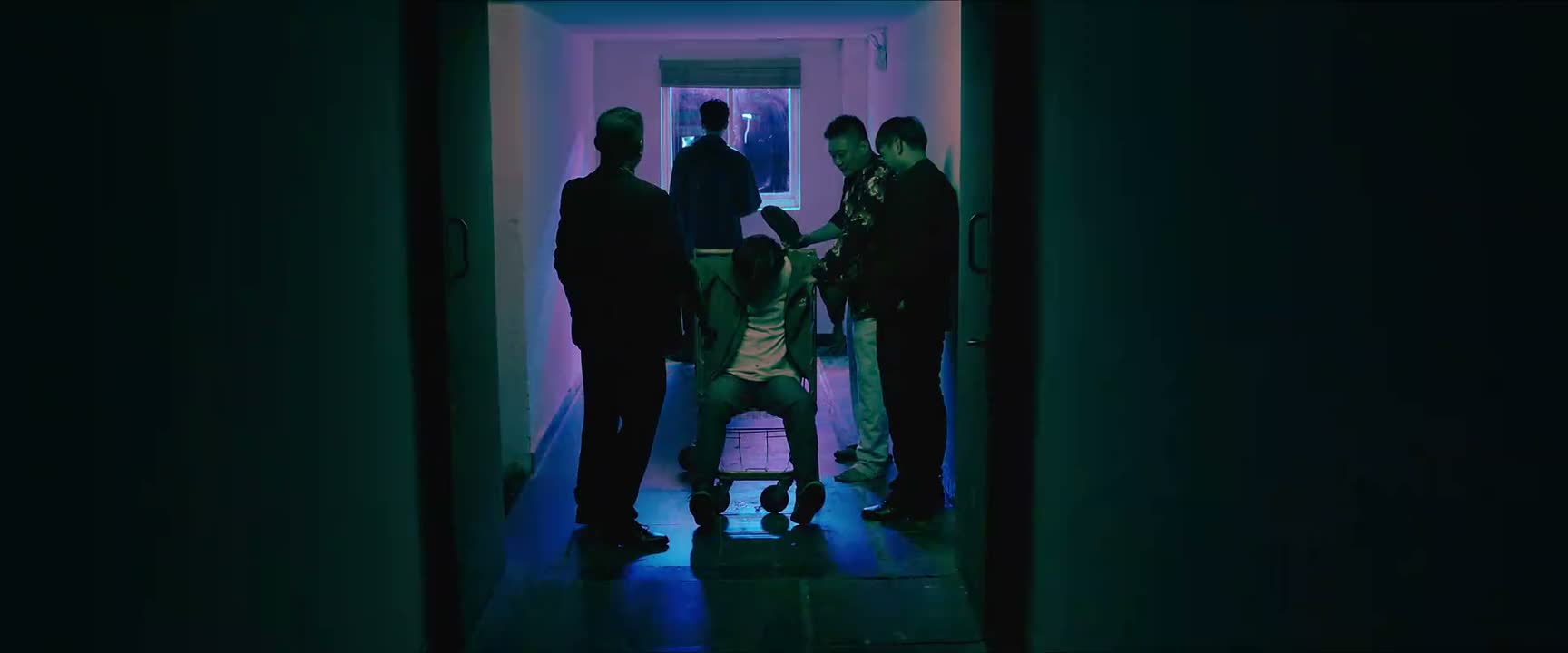
“I'll never do it again! Cheng!”

“Cheng was also a bit impatient, with a temper.”