我就不应该跟你结婚 不应该生这个娃
“I shouldn't have married you and had this child.”
THE DIALOGUE REEL
“If you despise me, why did you marry me?”
我 就不应该 跟你结婚 不应该生 这个 娃
“I shouldn't have married you and had this child.”
我以前觉得你要是 把这话说出来
“In the past, if you ever said something like that,”
Direct spoken expression in this communicative setting.
Directly invalidating the foundational bonds of marriage and lineage represents the extreme peak of marital discord in traditional Chinese culture, breaking core taboos against dismantling family sanctity.
LEARNING CHUNKS & PARTICLES
should not have
Commonly used in spoken Chinese to express hindsight, deep regret, or self-reproach.
to give birth to a child
A highly colloquial, dialect-influenced expression for childbirth, often heard in northern or northwestern Chinese speech.
VOCABULARY & EXPRESSIONS
Parallel Spoken Cinema Scenes (语义近邻切片)
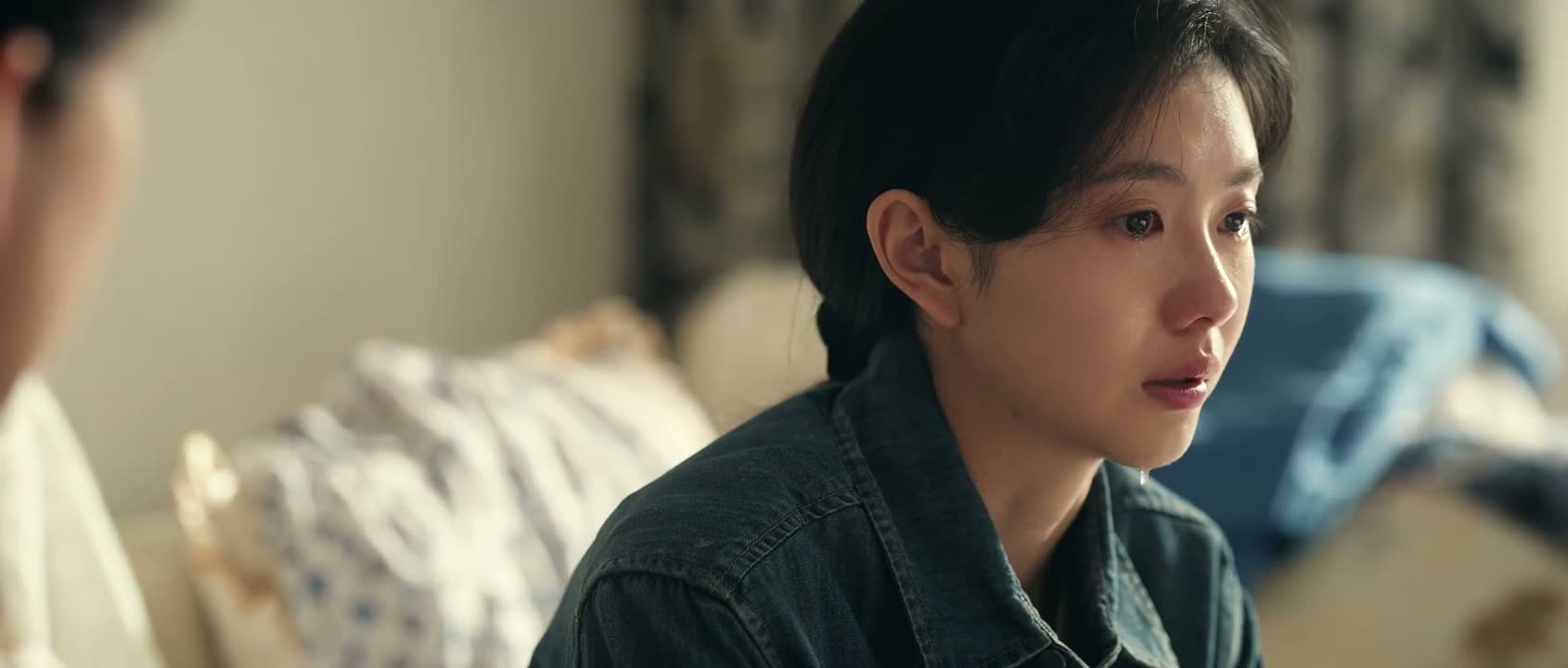
“and had this baby?”

“Should I not have gotten married”
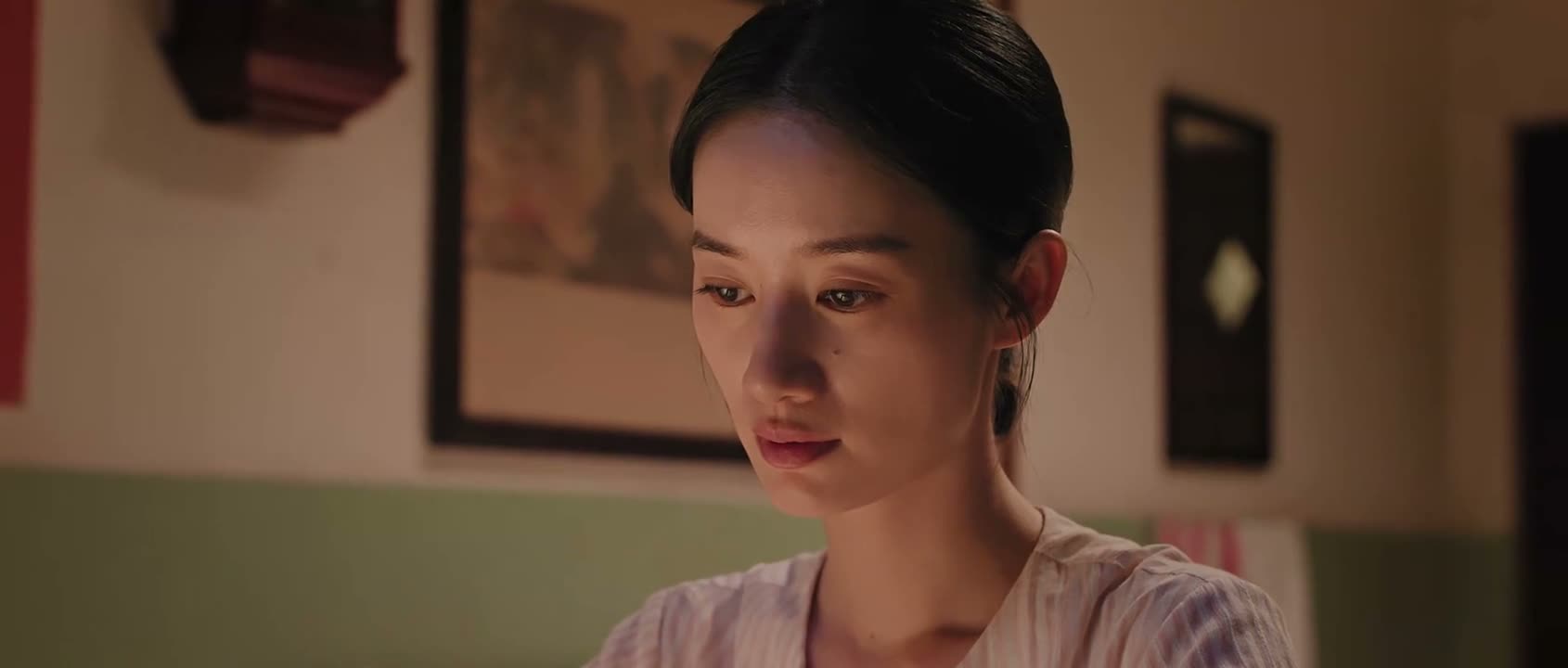
“(I can't marry you.)”

“I couldn't marry him with that thought in my heart.”

“I was wrong. I shouldn't have spoken to you like that.”

“Is that the same? I never said I don't want kids.”