没事 你看这都结痂了 好着呢
“It's fine. It has formed a scab. I'm fine.”
THE DIALOGUE REEL
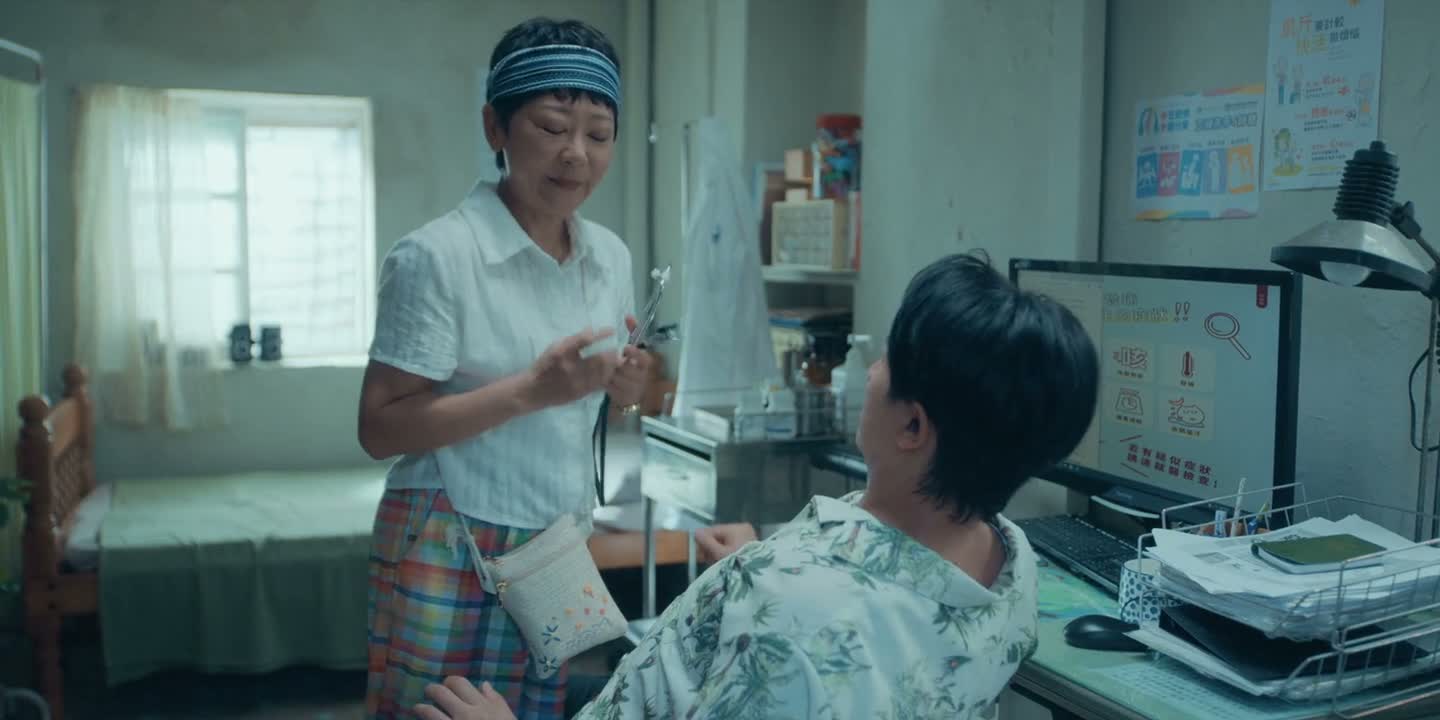
“Since you're wounded like this, why don't you rest for a few more days?”
没事 你看 这都结痂了 好着呢
“It's fine. It has formed a scab. I'm fine.”
贺叔叔好
“Hello, Mr. He.”
“Don't make a big deal out of it; I can handle it and I'm fine.”
Chinese speakers often instinctively minimize their physical pain or injuries to demonstrate resilience and avoid inconveniencing or distressing others.
LEARNING CHUNKS & PARTICLES
to form a scab
Common medical/casual term used when talking about healing superficial wounds.
doing great / totally fine
A colloquial spoken structure '[Adjective] + 着呢' expressing a high degree, often used to reassure someone.
Marks a change of state, indicating the wound has reached the stage of healing.
Emphasizes the sustained positive state and adds an upbeat, reassuring tone.
VOCABULARY & EXPRESSIONS
Parallel Spoken Cinema Scenes (语义近邻切片)

“Her wounds are healing quickly. She'll be fine.”

“There are no new wounds.”

“You'll be fine once you're clean.”

“His wounds have been treated. But it's a pretty serious injury.”
“Alright, you look great too.”

“We'll know once it scars.”