你怎么不按着我的稿说呀
“Why didn't you follow my draft?”
THE DIALOGUE REEL
老看我干吗
“Why are you staring at me?”
你怎么不 按着我的稿 说呀
“Why didn't you follow my draft?”
“You scared me when you said that.”
“You completely messed up our plan and put us in jeopardy!”
In social and workplace scenarios where appearances must be kept up, preparing an advance 'script' (稿) is a common strategy to maintain face and avoid unexpected blunders.
LEARNING CHUNKS & PARTICLES
speak according to / stick to (a text or script)
Useful when discussing speeches, presentations, or staged conversations.
why do you keep looking at me?
A blunt colloquial complaint used when someone's repeated staring is making you uncomfortable or risking blowing your cover.
Softens the rhetorical question while conveying an underlying tone of anxious urgency and bewilderment.
VOCABULARY & EXPRESSIONS
Parallel Spoken Cinema Scenes (语义近邻切片)

“Either you send me the revised translation.”

“Was it you who blocked my draft?”
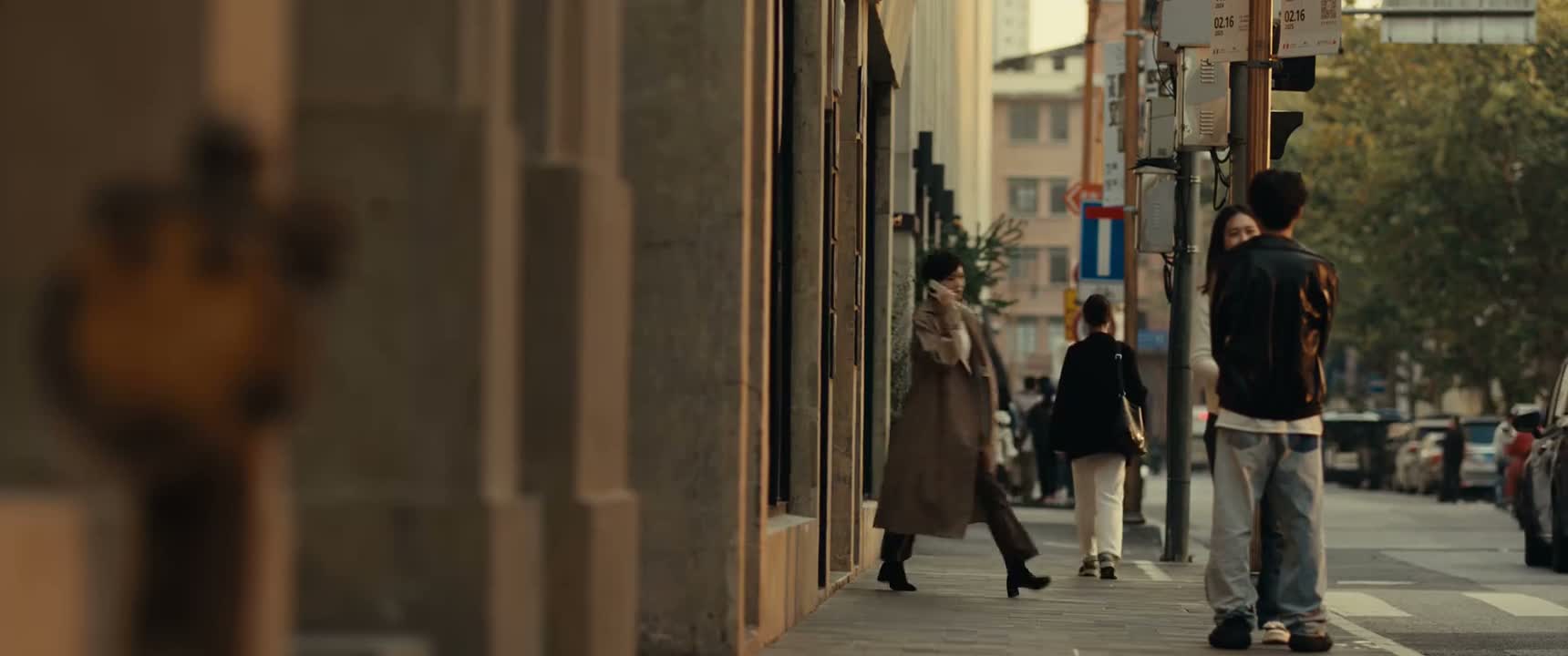
“You also thought my version was better, didn't you?”
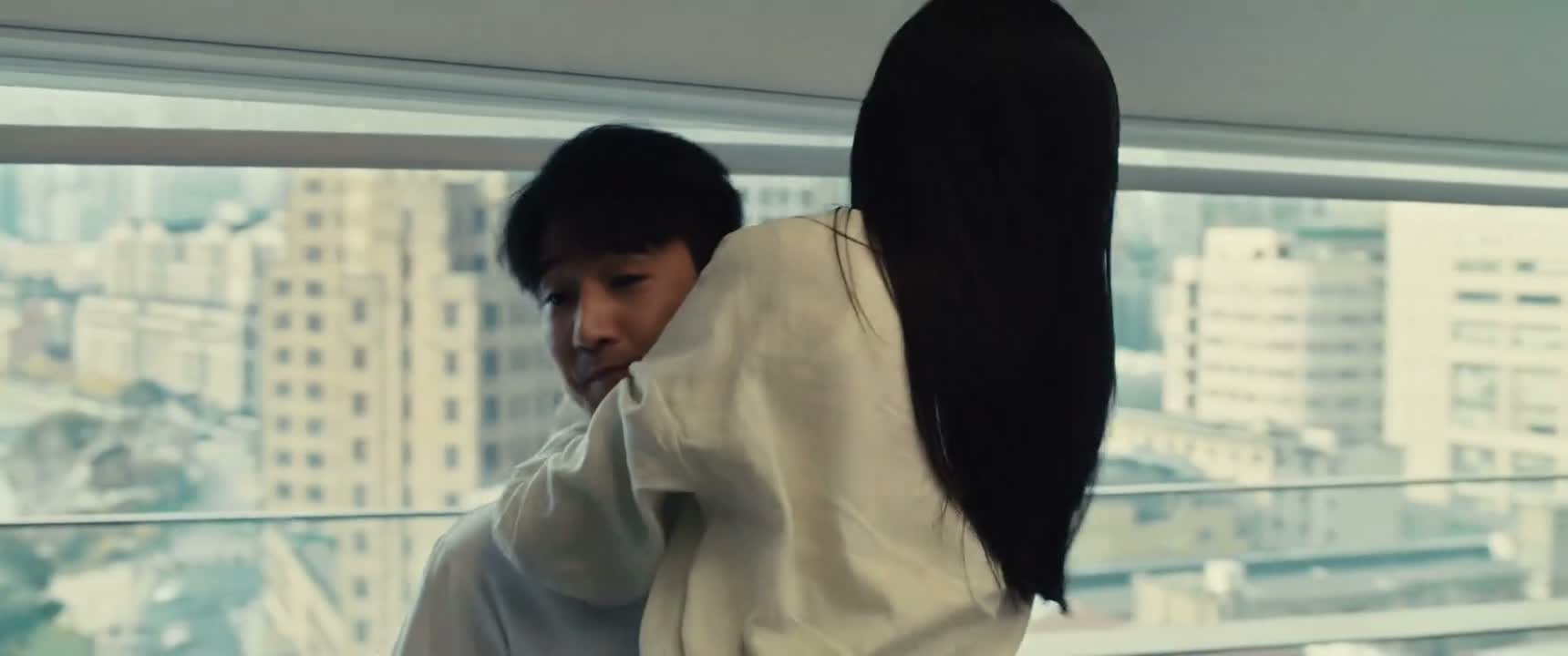
“Start writing. What's wrong with you? Start writing.”
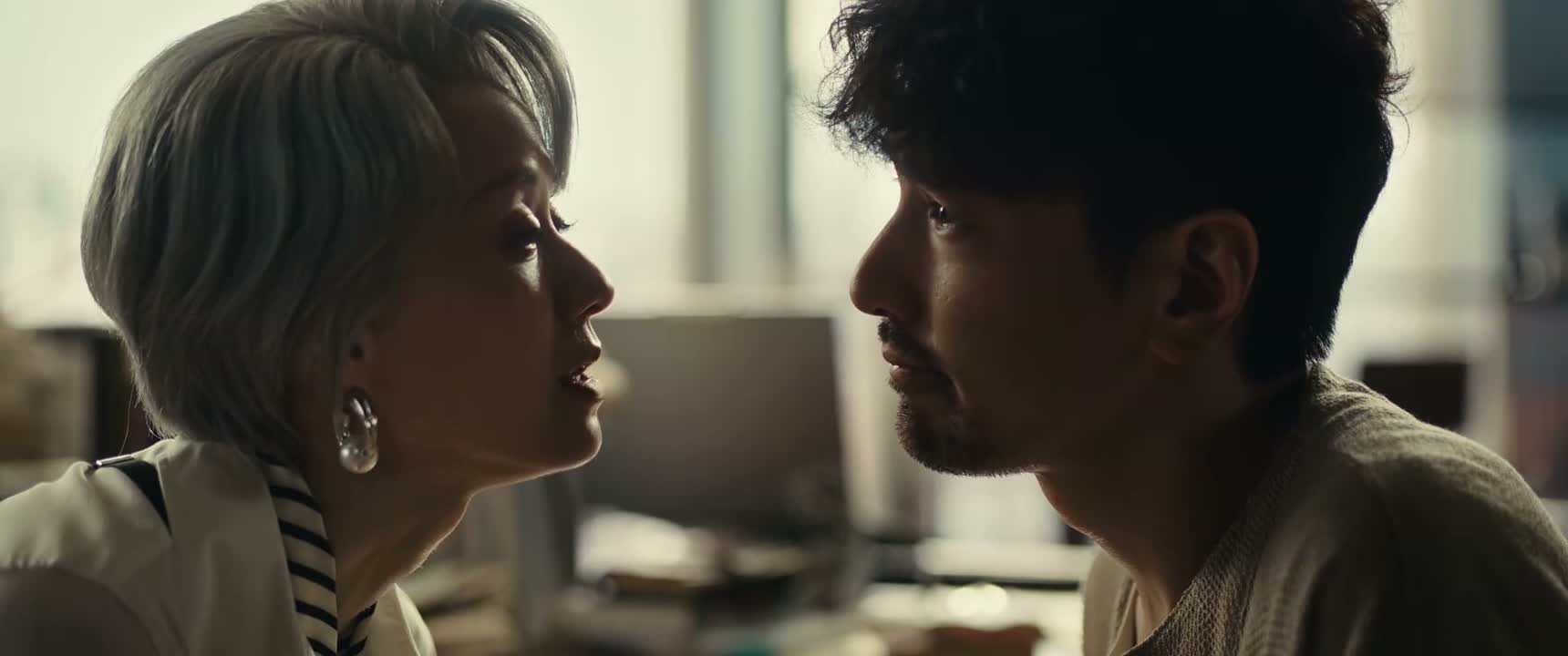
“I only want your drafts. Save your brains and everything else”

“In that case, send me the revised translation.”