我还要怎么闻怎么问
“What do you want me to do?”
THE DIALOGUE REEL
“But this isn't the time to leave Fang Muyang alone.”
我 还要 怎么闻怎么问
“What do you want me to do?”
“I'm not a doctor. I can't cure him.”
“Stop judging me; there is nothing useful I can actually do for him anyway.”
In Chinese family and close social networks, showing constant concern (问候) during illness is a crucial moral baseline; failing to do so invites strong social reprimand.
LEARNING CHUNKS & PARTICLES
what more can (one) do; how else
Used in rhetorical questions to express exasperation at unreasonable demands or expectations.
VOCABULARY & EXPRESSIONS
Parallel Spoken Cinema Scenes (语义近邻切片)

“What about now?”
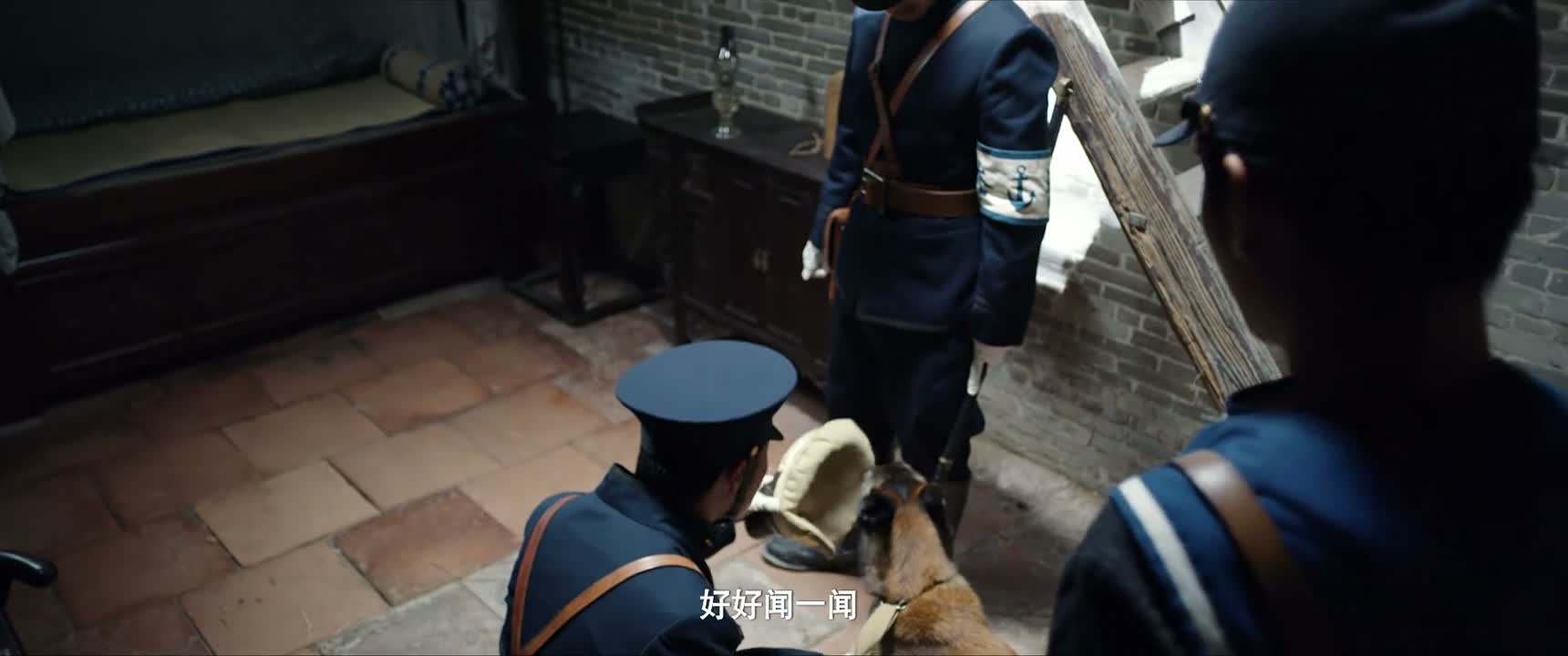
“Sniff it good.”

“Why do I smell... smell...”

“I thought I'd ask later.”

“Come smell this. Notice anything?”

“Here, smell it. Does it smell fishy?”