MC
MandarinClips Cinema Corpus
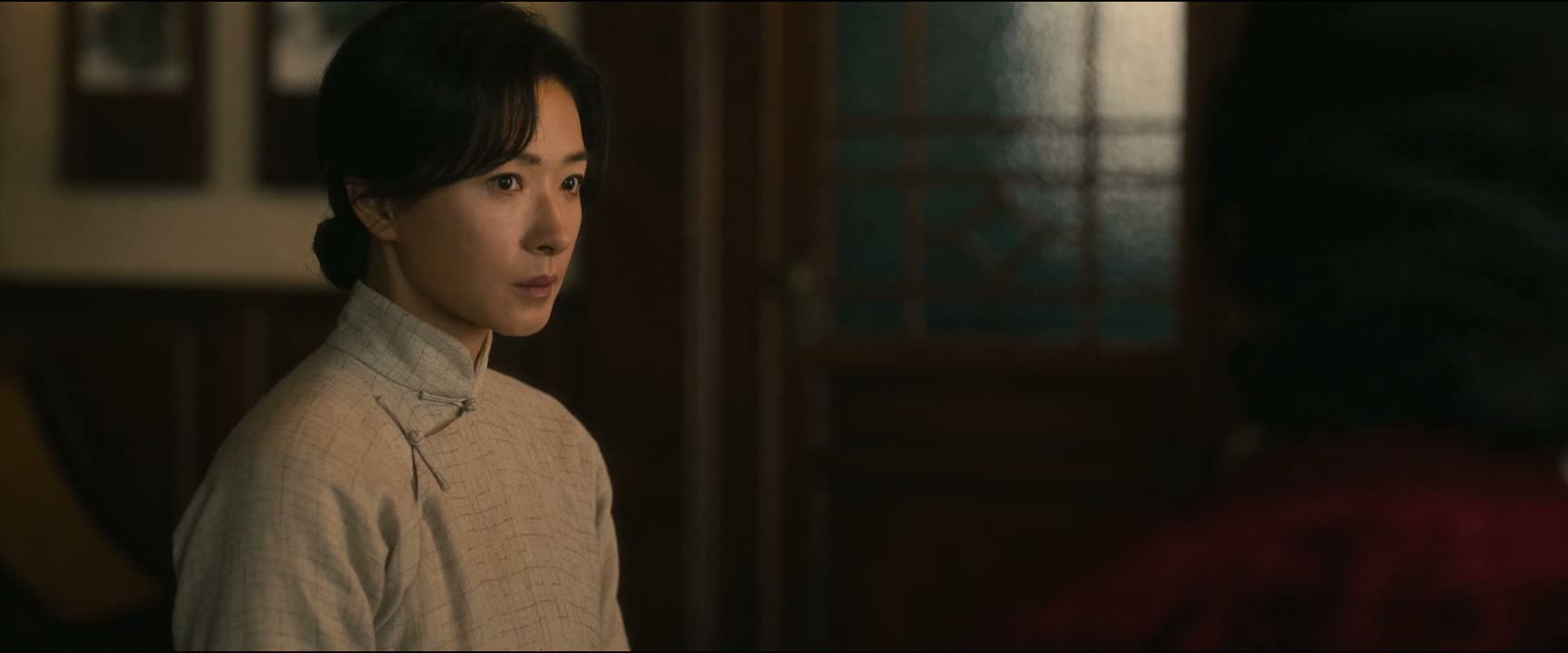
《Love Story in the 1970s》 S1·E4 (33:54) HSK 7
wǒ sǎo zi jīn tiān bú shì yè bān ma zěn me tā méi zuò fàn

我嫂子今天不是夜班吗 怎么她没做饭

“Aihong is working night shift, isn't she? Why isn't she cooking?”

《Love Story in the 1970s》 S1·E4
TIMECODE: 33:54 · 1080P MASTER AUDIO

THE DIALOGUE REEL

1+1+1 SPOKEN CONTINUITY
[-1] PREVIOUS TURN gǎn jǐn zuò fàn qù ba yī huì nǐ bà gēn nǐ gē jiù xià bān le

“Go cook dinner. Your dad and brother are getting off work soon.”

wǒ sǎo zi jīn tiān bú shì yè bān ma zěn me tā méi zuò fàn CURRENT FOCUS

我嫂子 今天 不是夜班吗 怎么 她没做饭

“Aihong is working night shift, isn't she? Why isn't she cooking?”

[+1] FOLLOW-UP TURN nǐ sǎo zi shàng yè bān bái tiān bù dé hǎo hǎo xiū xī a

“She's working night shift, so she needs to rest during the day,”

Subtitles synced to millisecond timecode Browse Show Clips →
Scene: Family & Home
Function: QUESTIONING RESPONSIBILITY
Tone: QUERULOUS
Emotion: INDIGNATION
WHAT THEY REALLY MEAN (PRAGMATIC SUBTEXT)
“Why do I have to do this? She was home all day and should have cooked instead.”
💡 Cultural Insight: Domestic Labor Distribution

In multi-generational Chinese households, negotiations over who prepares daily family meals often lead to subtle friction between in-laws and adult children.

INTENT TAGS: #deflection #complaint #fairness #grumbling
🧩

LEARNING CHUNKS & PARTICLES

2 CHUNKS · 1 PARTICLES
不是……吗 SPOKEN CHUNK

isn't it the case that...

A rhetorical pattern used to challenge assumptions or remind the listener of known facts.

夜班 SPOKEN CHUNK

night shift

Standard term for working overnight shifts in industrial or institutional settings.

Modal Particle「吗」 (ma) CHANGE OF STATE

Marks the rhetorical question highlighting a known fact.
🏮

VOCABULARY & EXPRESSIONS

3 EXPR · 2 GRAMMAR
CROSS-CINEMA CORPUS BOARD · PARALLEL SCENES

Parallel Spoken Cinema Scenes (语义近邻切片)

EXPLORE BY SEMANTIC SIMILARITY
《Love Story in the 1970s》 S1·E4 (33:54) · Authentic Cinema Dialogue Corpus