你做贼心虚吗 见着我就缩着头
“are you feeling guilty? Why are you ducking when you see me?”
THE DIALOGUE REEL
女士 您不能进 这边不让进 任海平
“Ma'am, you can't enter. This area is restricted. Ren Haiping,”
你 做贼心虚 吗 见着 我就 缩着头
“are you feeling guilty? Why are you ducking when you see me?”
干吗呀
“What are you doing?”
“You know you did me dirty, so don't you dare try to run away from me now.”
Accusing someone of 'doing something like a thief' in front of peers or gatekeepers strips them of social standing (face) and forces an immediate public reaction.
LEARNING CHUNKS & PARTICLES
having a guilty conscience like a thief
A classic idiom frequently used in colloquial arguments to call someone out for acting suspiciously or defensively.
cowering; ducking one's head in avoidance
Used vividly to describe someone trying to make themselves invisible out of cowardice or fear.
Used here aggressively to pose a provocative, accusatory challenge.
VOCABULARY & EXPRESSIONS
Parallel Spoken Cinema Scenes (语义近邻切片)
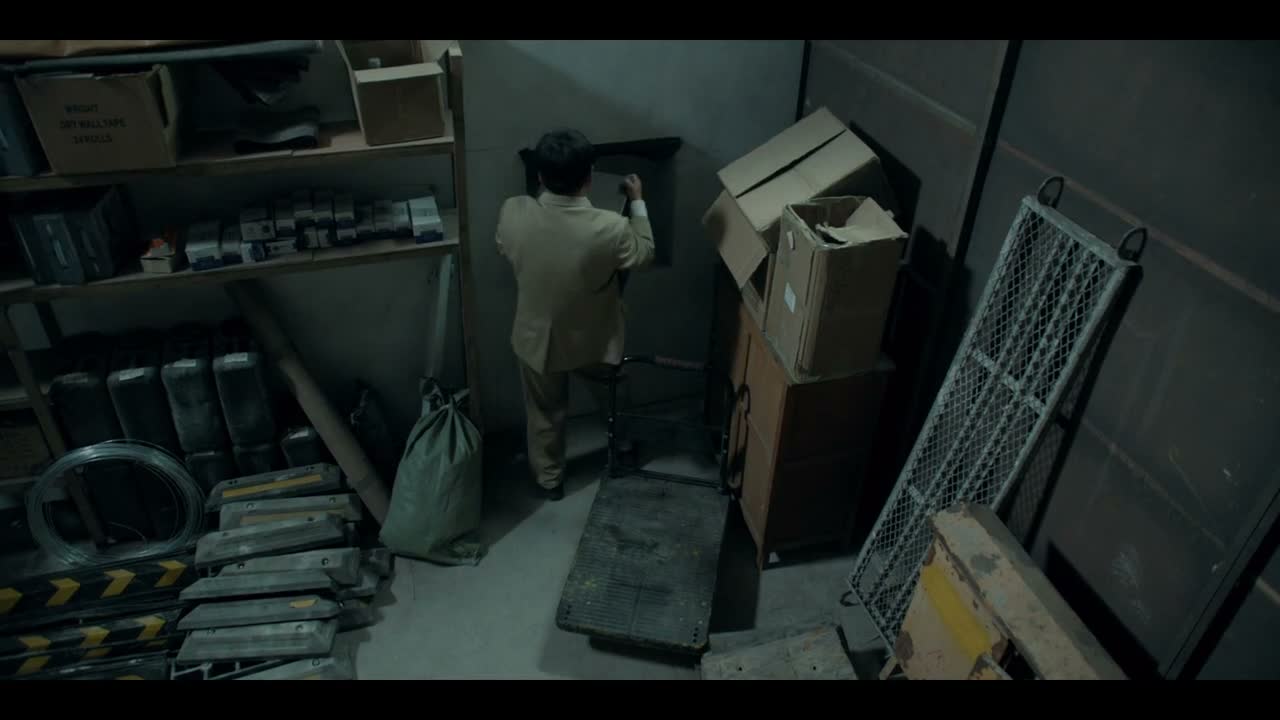
“I was guilty and scared,”

“It may be stolen by the suspect.”

“The way you're acting guilty...”

“Look at how guilty you're acting.”

“A guilty vibe.”

“or too guilty to appear?”