再说了 我们也是抄袭的受害者
“Besides, we're also victims of her plagiarism.”
THE DIALOGUE REEL
抄袭那是她自己的事
“The plagiarism is just her own problem.”
再说了 我们 也是 抄袭的 受害者
“Besides, we're also victims of her plagiarism.”
“We're kind enough not to make her pay for our loss.”
“Stop blaming us; we were harmed by this scandal too, so we owe nobody anything.”
In business or ethical controversies, claiming the status of a fellow victim (受害者) is a frequent rhetorical tactic to neutralize moral criticism and redirect legal or reputational backlash.
LEARNING CHUNKS & PARTICLES
furthermore; besides; on top of that
Essential conversational discourse marker used to introduce a decisive supplementary argument or justification.
victim; injured party
Used in formal, legal, or dispute contexts to emphasize suffering caused by external wrongdoing.
Functions within the fixed discourse connective '再说了' to mark a new, emphatic addition to the argument.
VOCABULARY & EXPRESSIONS
Parallel Spoken Cinema Scenes (语义近邻切片)

“This has nothing to do with us either. We are victims too.”
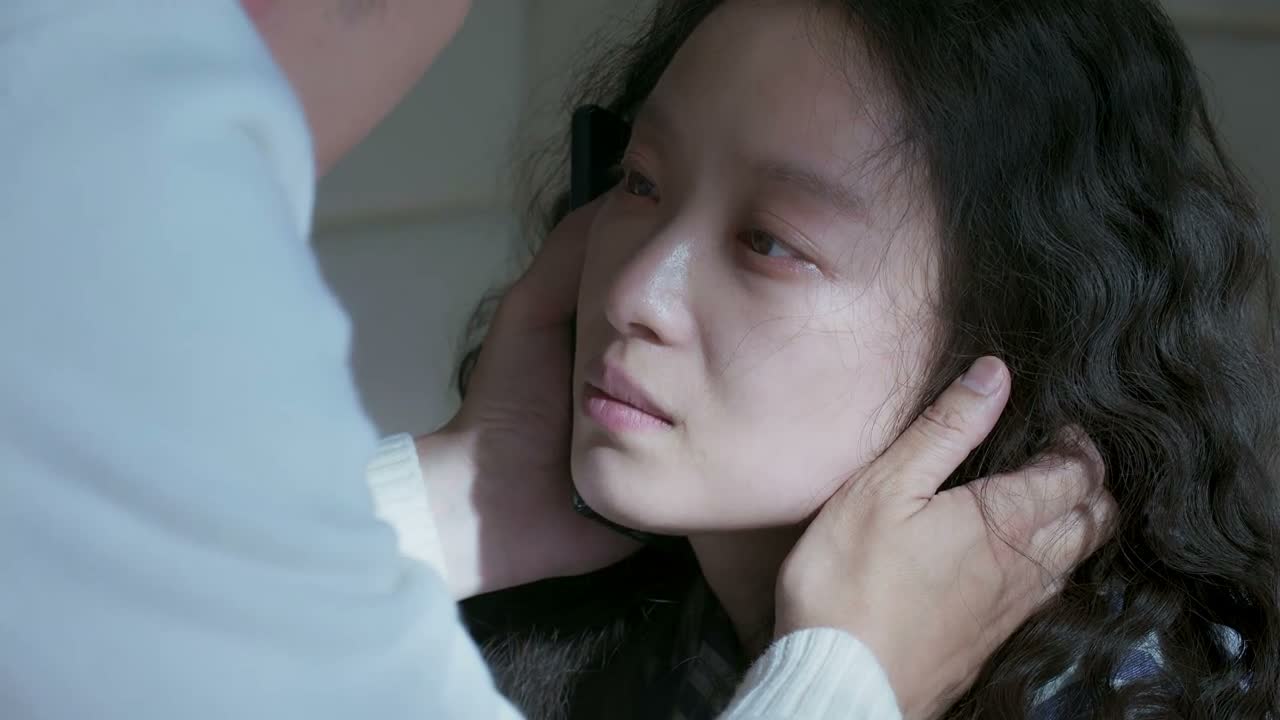
“out of fear of facing criminal charges.”

“I'm a victim too.”