或许就好了 夫人莫要再抱有幻想了
“and perhaps things will get better then. Madam, please don't harbor any more illusions.”
THE DIALOGUE REEL
等言儿长大一些 就能帮助老爷支撑门楣
“When Yan grows up a bit, he can help his father uphold the family name,”
或许 就好了 夫人 莫要 再 抱有幻想 了
“and perhaps things will get better then. Madam, please don't harbor any more illusions.”
“If a man can hit you once, he will do it countless times.”
“Stop lying to yourself; he is an abuser and will never change.”
In traditional patriarchal Chinese society, women were conditioned to endure marital hardship for family continuity, making explicit advice to abandon hope against an abusive husband a radical act of intervention.
LEARNING CHUNKS & PARTICLES
do not / must not
A literary and formal imperative used in written Chinese or historical/period dramas to advise or forbid.
harbor illusions / cherish unrealistic hopes
Commonly used in formal or serious discussions when warning someone against wishful thinking.
Marks a change of state and adds finality to the imperative urge to stop fantasizing.
VOCABULARY & EXPRESSIONS
Parallel Spoken Cinema Scenes (语义近邻切片)
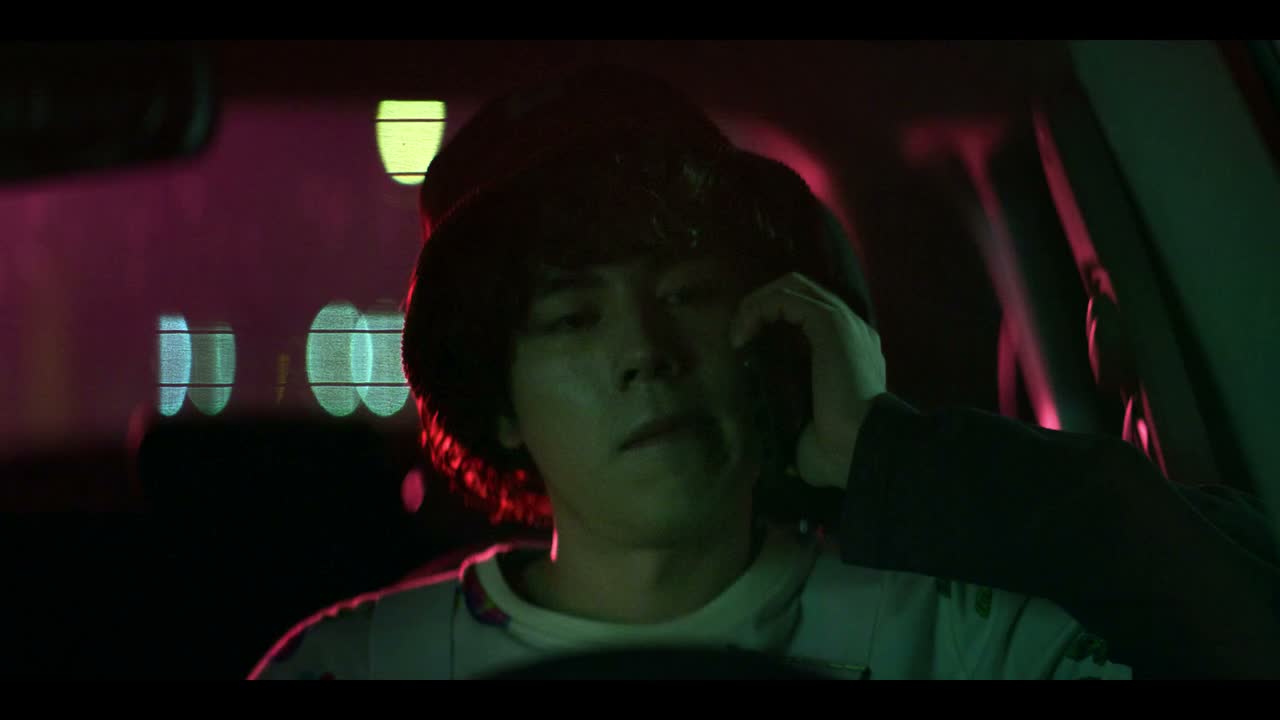
“I hope that's true.”

“If only you were here.”

“I'll be fine with some rest.”

“every day.”

“I wish she thought the same way.”

“Still, would've been nice to have known.”