她这是怎么了 应是惊风 刚才吓着了
“What's wrong with her? She probably had a seizure. She got frightened just now.”
THE DIALOGUE REEL
走
“Let's go.”
她 这是怎么了 应是 惊风 刚才 吓着了
“What's wrong with her? She probably had a seizure. She got frightened just now.”
来
“Come on.”
Direct spoken expression in this communicative setting.
In Traditional Chinese Medicine, 'jingfeng' refers to convulsions or acute distress in children believed to be triggered by sudden severe fright.
LEARNING CHUNKS & PARTICLES
what happened / what's wrong
A versatile high-frequency phrase used to ask about an unexpected change, problem, or emotional state.
got frightened / startled
Commonly used in spoken Chinese to explain a sudden shock or medical fright, particularly in children.
Marks a change of state, highlighting the abrupt onset of the condition or the frightening event.
VOCABULARY & EXPRESSIONS
Parallel Spoken Cinema Scenes (语义近邻切片)

“What's wrong with her?”
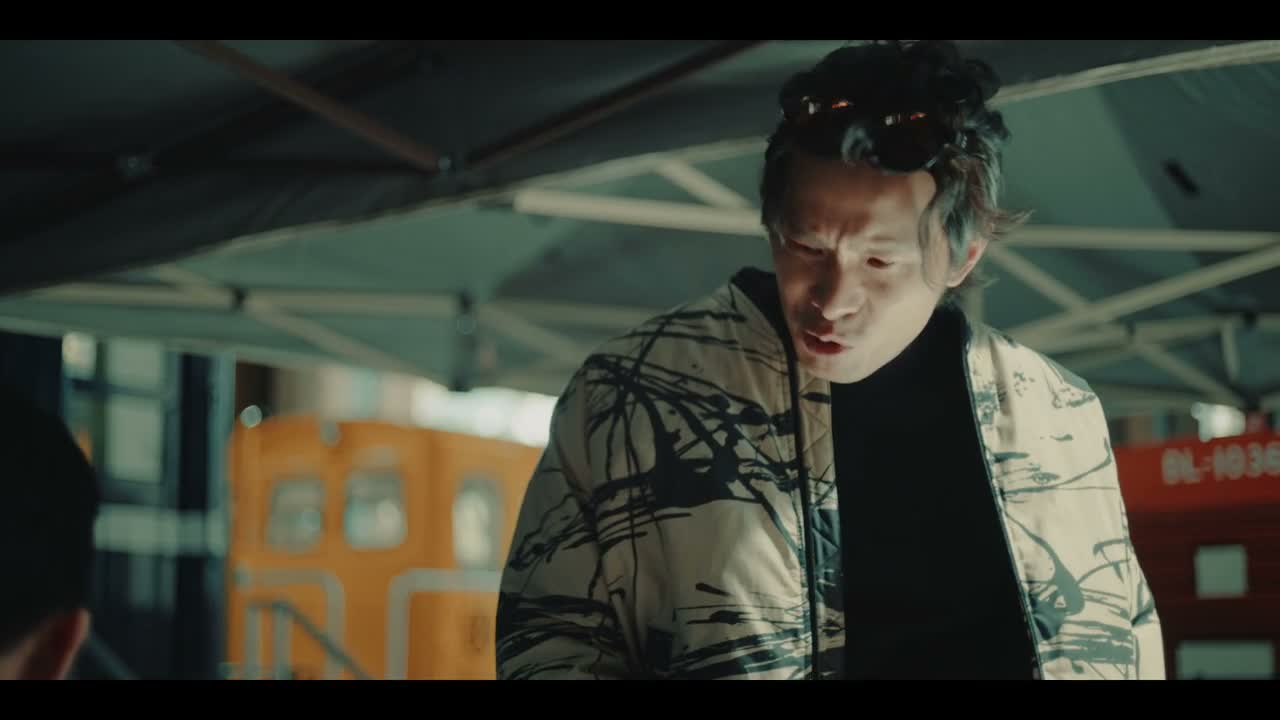
“And when she snaps, it's scary.”

“Chen Ting.”

“- No idea. - What's going on? She seems crazy.”

“How did she suddenly get this disease?”
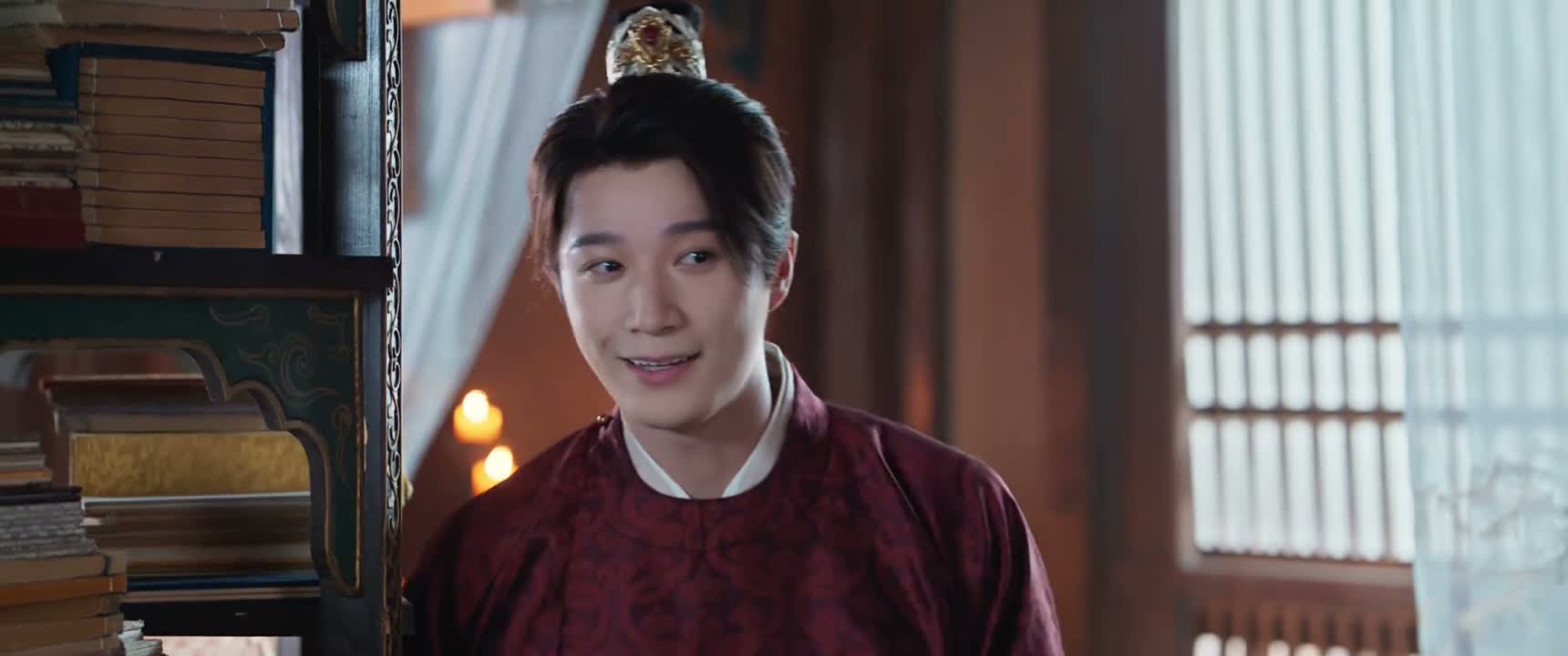
“Did last night's surprise turn into a shock,”