MC
MandarinClips Cinema Corpus
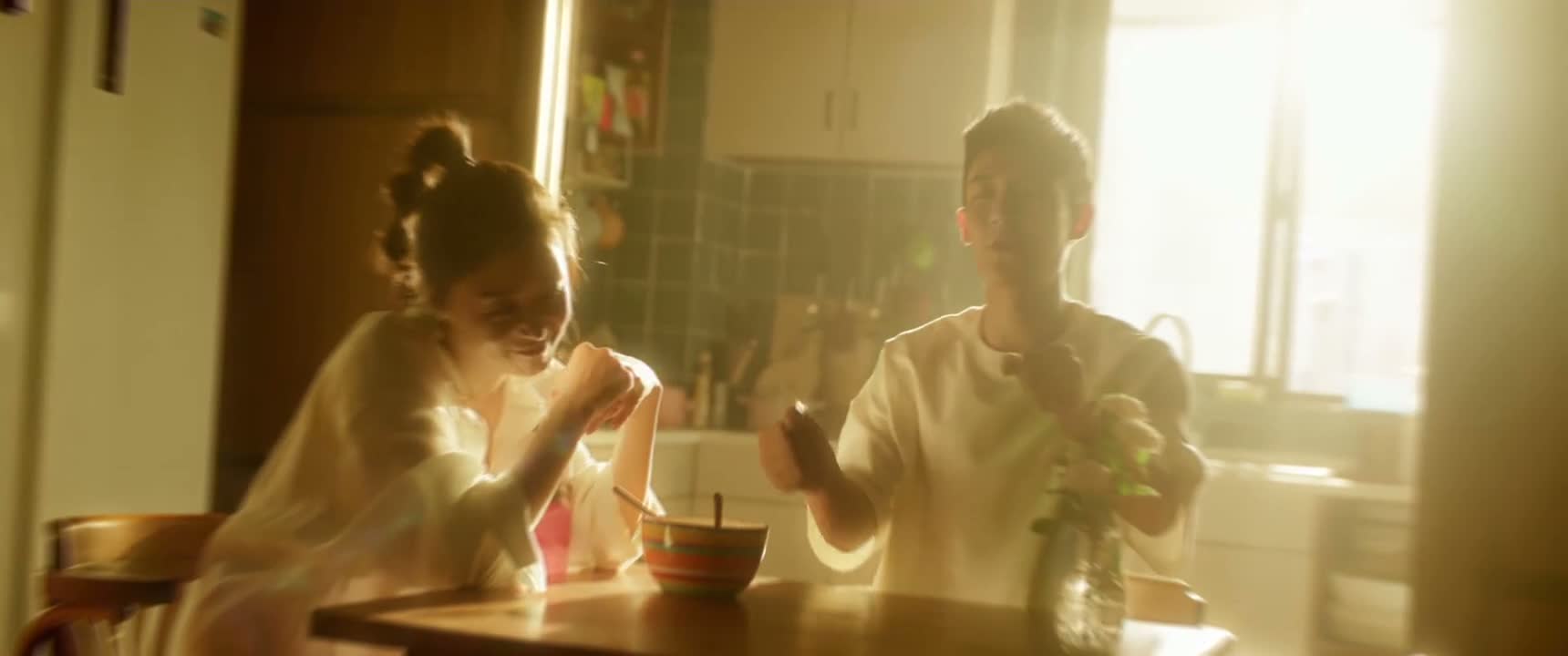
《Coroner's Diary》 S1·E19 (03:02) HSK 6
yì zhí bǎ zì jǐ dàng zuò sì wǔ suì de wá wá

一直把自己当作四五岁的娃娃

“always acting like a four or five-year-old child.”

《Coroner's Diary》 S1·E19
TIMECODE: 03:02 · 1080P MASTER AUDIO

THE DIALOGUE REEL

1+1+1 SPOKEN CONTINUITY
[-1] PREVIOUS TURN wǒ yù dào yùn ér de shí hòu tā biàn shì zhè yàng

我遇到韵儿的时候 她便是这样

“When I first met Yun, she was like this—”

yì zhí bǎ zì jǐ dàng zuò sì wǔ suì de wá wá CURRENT FOCUS

一直 把自己当作 四五岁的 娃娃

“always acting like a four or five-year-old child.”

[+1] FOLLOW-UP TURN fū rén dài zhe yī shuāng ér nǚ rì hòu dǎ suàn zěn me bàn

“Madam, with your two children, what do you plan to do in the future?”

Subtitles synced to millisecond timecode Browse Show Clips →
Scene: Family & Home
Function: DESCRIBING CONDITION
Tone: MELANCHOLIC
Emotion: SADNESS
WHAT THEY REALLY MEAN (PRAGMATIC SUBTEXT)

Direct spoken expression in this communicative setting.

💡 Cultural Insight: Trauma and Mental Arrest

In traditional Chinese narratives, severe trauma is often described poetically or pathetically as regression into early childhood, eliciting deep sympathy from listeners.

INTENT TAGS: #informing #explaining #confiding #evoking_sympathy
🧩

LEARNING CHUNKS & PARTICLES

2 CHUNKS · 0 PARTICLES
当作 SPOKEN CHUNK

to treat as; to regard as

Use this structure (把...当作...) to describe regarding someone or something as another entity.

娃娃 SPOKEN CHUNK

baby; small child; doll

Commonly used in spoken Chinese, especially in northern regions, as an affectionate term for a young child.

🏮

VOCABULARY & EXPRESSIONS

2 EXPR · 1 GRAMMAR
CROSS-CINEMA CORPUS BOARD · PARALLEL SCENES

Parallel Spoken Cinema Scenes (语义近邻切片)

EXPLORE BY SEMANTIC SIMILARITY
《Coroner's Diary》 S1·E19 (03:02) · Authentic Cinema Dialogue Corpus