说不好了你别见怪啊 你说
“Please don't be mad at me. Go ahead.”
THE DIALOGUE REEL
我听了个消息
“I heard some news.”
说不好 了你 别见怪 啊 你说
“Please don't be mad at me. Go ahead.”
我听说 大老板们要让赵玫当销售总监
“I heard the big bosses want Zhao Mei to be the Sales Director”
“Don't shoot the messenger if what I am about to tell you sounds bad.”
In Chinese interpersonal communication, providing a polite disclaimer before sharing sensitive news preserves both parties' social face and avoids sudden friction.
LEARNING CHUNKS & PARTICLES
don't take offense; don't mind
A polite buffer used before or after saying something that might sound blunt, critical, or awkward.
if phrased poorly; if it turns out badly
Used as a conversational disclaimer to lower expectations about one's eloquence or the nature of the news.
Softens the imperative 'don't take offense', making it sound warm, friendly, and non-confrontational.
VOCABULARY & EXPRESSIONS
Parallel Spoken Cinema Scenes (语义近邻切片)

“Put bluntly,”

“I won't be too polite.”

“Don't look so upset.”

“It's outrageous. Tell me, what do you plan to do?”

“Why speak so harshly?”
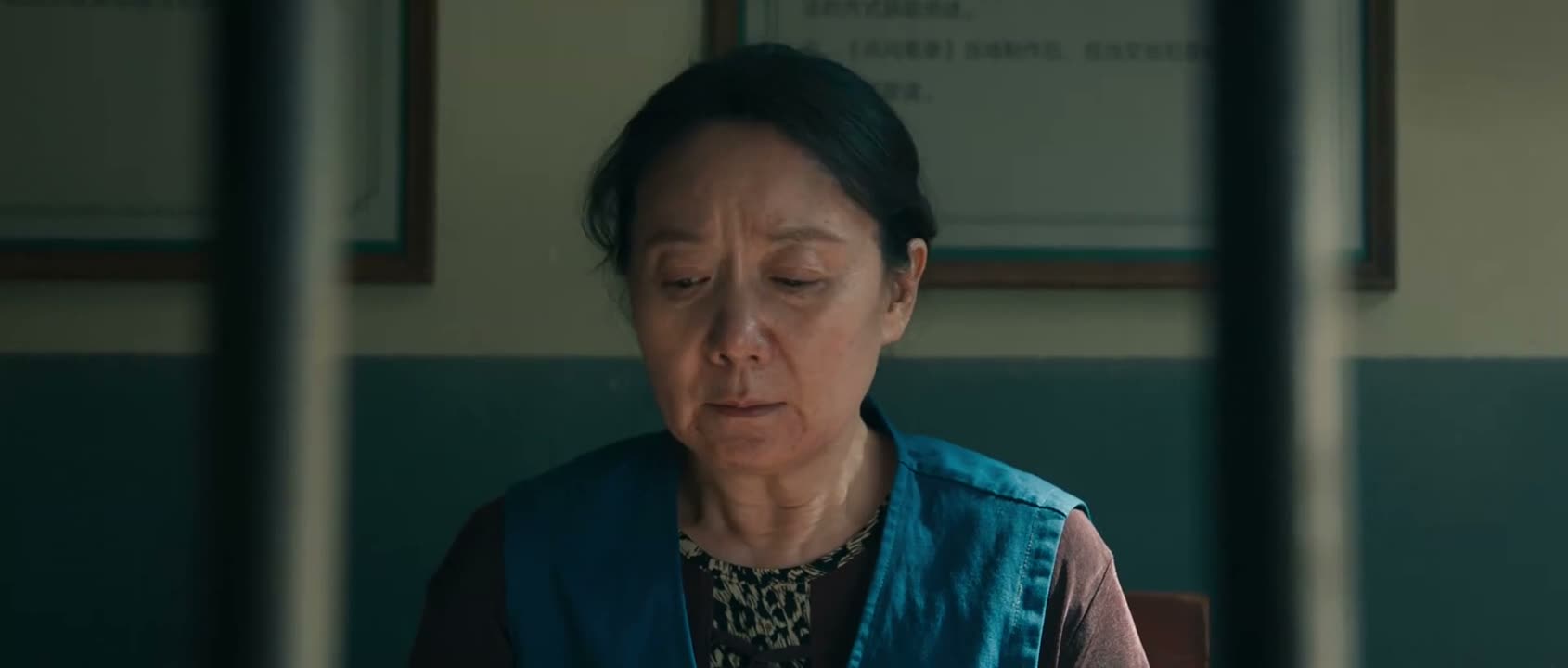
“Is it hard to say, or are you not allowed to say?”