瞧你那没出息的样
“Look how hopeless you are.”
THE DIALOGUE REEL
少君啊
“Young Master!”
瞧你那 没出息 的 样
“Look how hopeless you are.”
星儿
“Xing.”
“You look so silly and desperate, but it is actually kind of endearing.”
In close relationships, Chinese speakers often use harsh-sounding words like 'hopeless' or 'spineless' not to insult, but as an intimate term of endearment that signals playful superiority.
LEARNING CHUNKS & PARTICLES
look at the way you are acting / look at your silly state
A colloquial colloquial pattern used to playfully criticize or mock someone close to you.
unambitious, pathetic, spineless, or hopeless
Used informally to reprimand someone for showing weakness, lack of spine, or overly infatuated behavior.
VOCABULARY & EXPRESSIONS
Parallel Spoken Cinema Scenes (语义近邻切片)
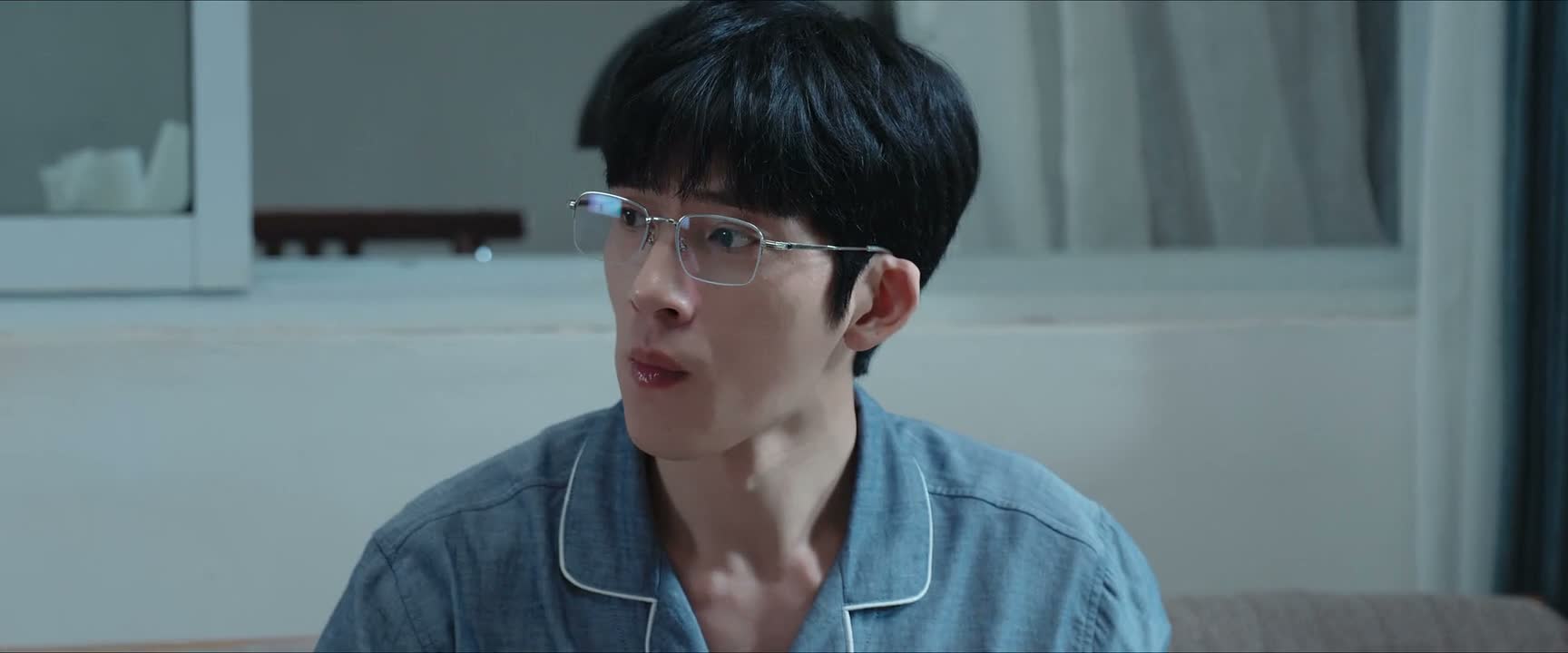
“Look at how pathetic you are.”

“Look at you two, so unambitious.”

“Why are you such a good-for-nothing?”

“Look at you. Coward. What should I do?”

“- Get lost. - Get lost.”

“Look at you, feeling sorry for yourself.”