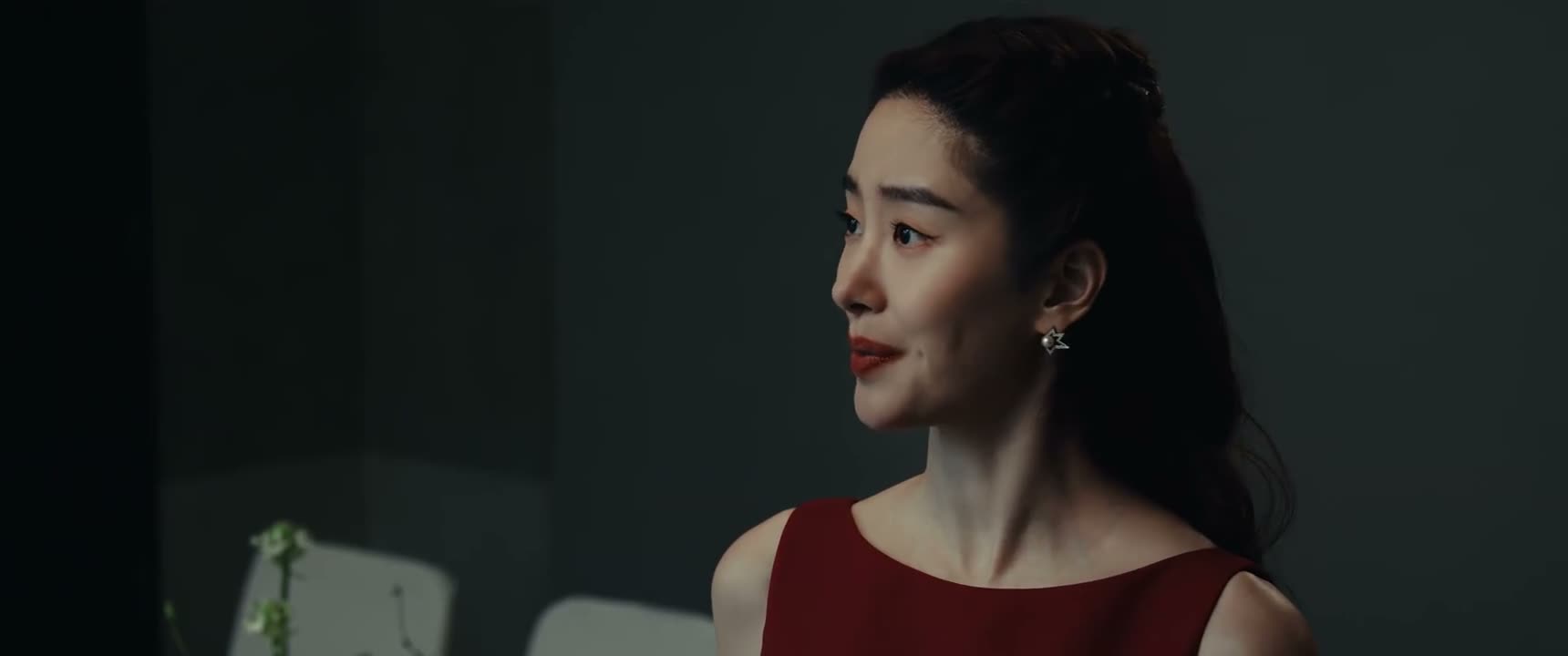
人家好赖有个儿子嘛 好活赖活不都活着呢吗
“At least she has a son. Good or bad, she's still alive.”
THE DIALOGUE REEL
小师娘 您看您说的啥话呀 啥话 大实话呀
“Ma'am, what are you saying? What am I saying? The honest truth.”
人家 好赖有个 儿子 嘛 好活赖活 不都 活着 呢吗
“At least she has a son. Good or bad, she's still alive.”
“Master, why squatting here? What do I have? I'd just starve.”
“They have a son to rely on no matter what, so they can survive; we don't even have that baseline.”
In traditional Chinese culture, having a male heir was viewed as the ultimate guarantee of social and physical security in old age, rendering those without sons inherently vulnerable.
LEARNING CHUNKS & PARTICLES
at least / in any case / no matter how good or bad
Colloquial term used to point out a minimum baseline condition or consolation prize in difficult situations.
whether living well or poorly / making the best of life
A folk idiom reflecting perseverance through hardship, emphasizing that surviving takes precedence over comfort.
Marks an obvious point or common-sense reality that the listener should readily acknowledge.
Indicates the ongoing state of living, blending with the rhetorical question marker to underline persistence.
Turns the clause into a rhetorical question implying that the premise cannot be denied.