要不然这小两口也不能成亲不是
“Otherwise, the couple wouldn't have gotten married.”
THE DIALOGUE REEL
那是
“Indeed.”
要不然 这 小两口 也不 能成 亲 不是
“Otherwise, the couple wouldn't have gotten married.”
成亲好
“Glad to hear that...”
Direct spoken expression in this communicative setting.
In Chinese society, marriage is seen as a collective family milestone rather than merely an individual choice, prompting elders and neighbors to actively discuss and validate marital matches.
LEARNING CHUNKS & PARTICLES
otherwise; or else
Use this at the beginning of a clause to introduce a counterfactual outcome or logical deduction.
young married couple
A warm, colloquial term used by elders or peers to affectionately refer to a young husband and wife.
to get married; to wed
A traditional, rustic, or historical spoken term equivalent to modern '结婚' (jiehun).
Placed at the end of a rhetorical question to prompt the listener to nod along or validate an obvious point.
VOCABULARY & EXPRESSIONS
Parallel Spoken Cinema Scenes (语义近邻切片)
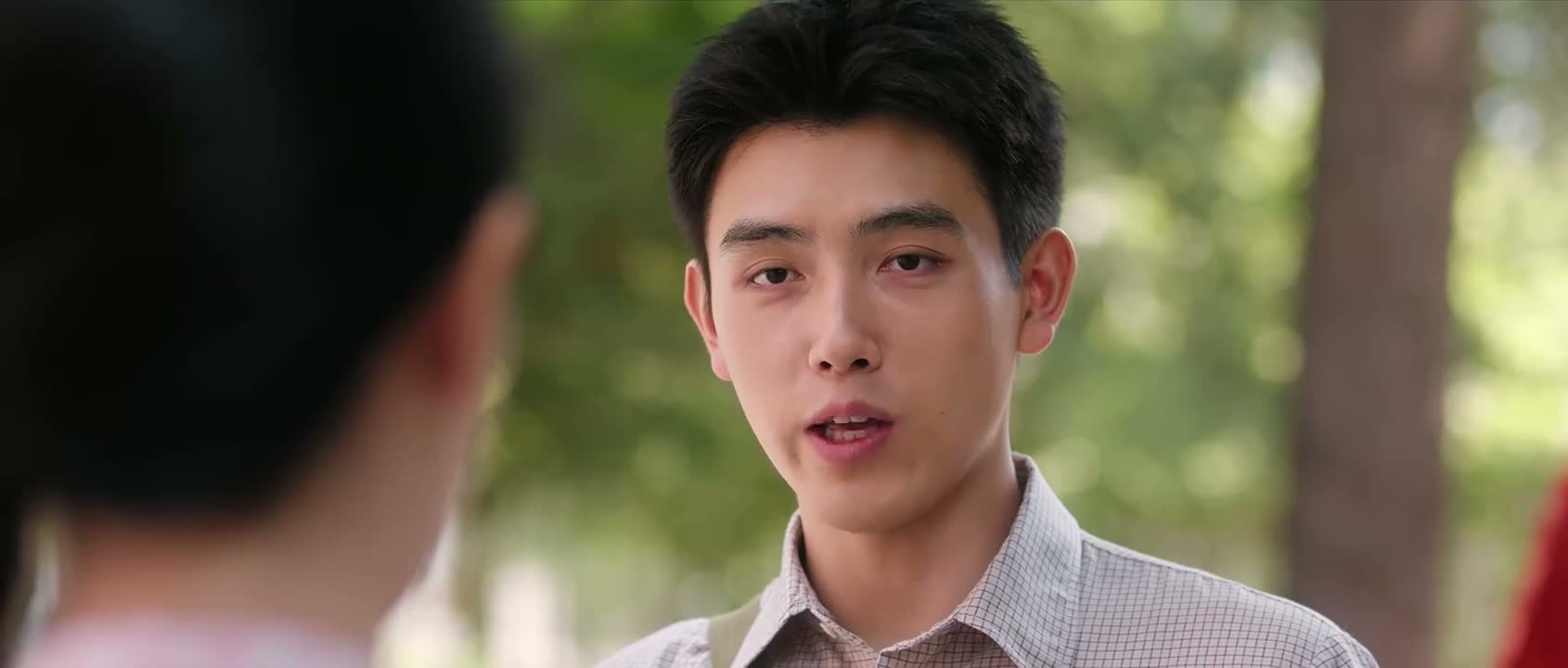
“We wouldn't have gotten married.”

“I couldn't marry him with that thought in my heart.”

“don't marry anyone.”