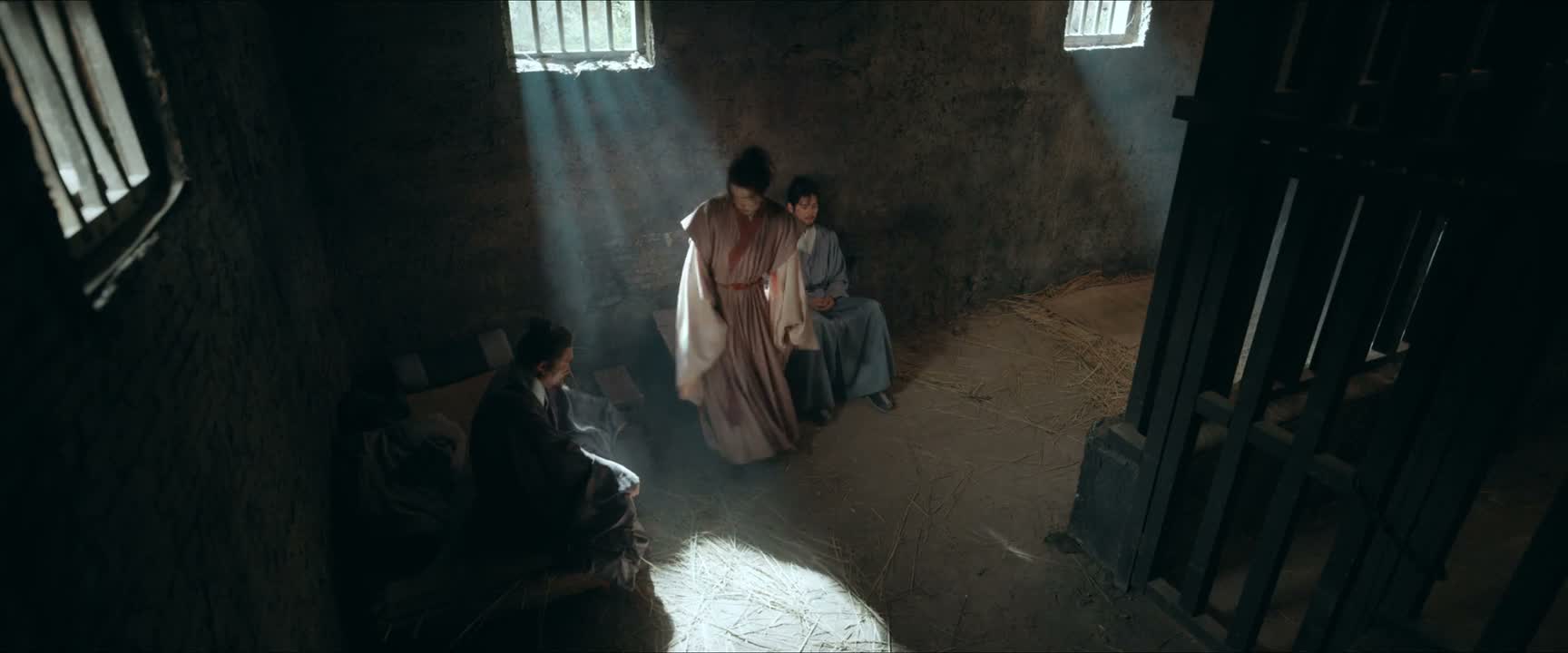
《Cage of Shadows》 S1·E16 (13:54)
HSK 6
nán dào nǐ xiǎng yī bèi zi dài zài zhè lǐ ma
难道你想一辈子待在这里吗
“Do you want to stay here forever?”
《Cage of Shadows》
S1·E16
TIMECODE: 13:54
·
1080P MASTER AUDIO
THE DIALOGUE REEL
[-1] PREVIOUS TURN
zhè lǐ shì líng yá tǎ
这里是伶崖塔
“This is Lingya Tower.”
nán dào nǐ xiǎng yī bèi zi dài zài zhè lǐ ma
CURRENT FOCUS
难道 你想 一辈子 待在 这里 吗
“Do you want to stay here forever?”
[+1] FOLLOW-UP TURN
hā hā hā hā hā
哈哈哈哈哈
“Haha!”
Subtitles synced to millisecond timecode
Browse Show Clips →
Scene:
Crisis & Conflict
Function:
CHALLENGING PASSIVITY
Tone:
PROVOCATIVE
Emotion:
IMPATIENCE
WHAT THEY REALLY MEAN (PRAGMATIC SUBTEXT)
“Stop pretending you are fine with rotting away in this tower forever.”
💡 Cultural Insight: Provocation through Rhetorical Questioning
In dramatic Chinese dialogue, speakers often use negative rhetorical framing to force opponents or allies to confront harsh realities instead of offering direct advice.
INTENT TAGS:
#provocation
#persuasion
#challenging
#urging
🧩
2 CHUNKS · 1 PARTICLES
LEARNING CHUNKS & PARTICLES
难道……吗
SPOKEN CHUNK
could it be that...?
A classic rhetorical question pattern used to forcefully challenge the listener's premise or apparent mindset.
一辈子待在
SPOKEN CHUNK
stay in (a place) for the rest of one's life
Commonly used to dramatize permanent confinement, stagnation, or boredom in a specific location.
Modal Particle「吗」 (ma)
CHANGE OF STATE
Closes the rhetorical sentence by converting the statement into a challenging question.
🏮
3 EXPR · 4 GRAMMAR
VOCABULARY & EXPRESSIONS
COLLOQUIAL EXPRESSIONS:
CROSS-CINEMA CORPUS BOARD · PARALLEL SCENES
EXPLORE BY SEMANTIC SIMILARITY
Parallel Spoken Cinema Scenes (语义近邻切片)
《Cage of Shadows》 S1·E16 (13:54) · Authentic Cinema Dialogue Corpus