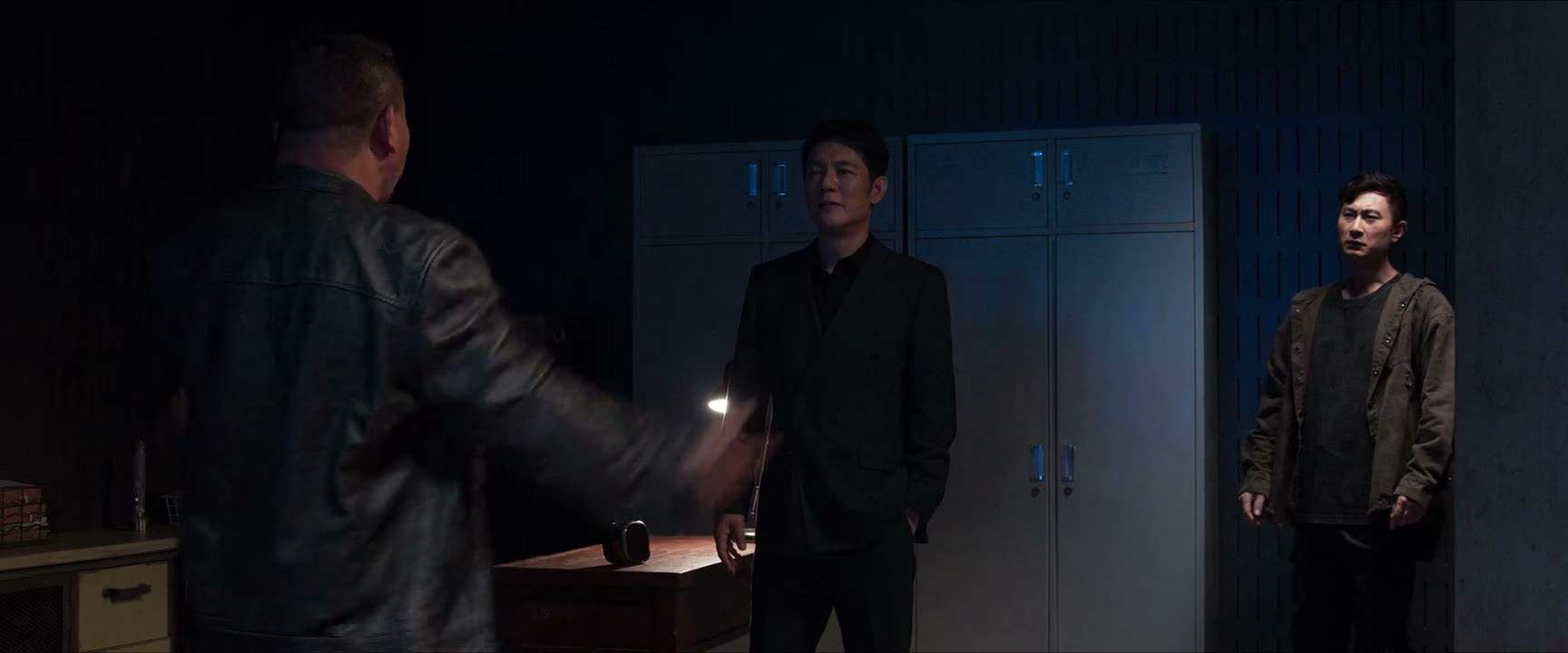
他倒是一跑了之了
“He just ran away,”
THE DIALOGUE REEL
“His perfectly good business went bankrupt.”
他 倒是 一跑了之 了
“He just ran away,”
“leaving us with a lot of debt”
“He saved his own skin and left us behind to suffer the consequences of his mess.”
In traditional Chinese culture, debt and survival are deeply tied to the family unit; an individual absconding places the full moral and financial burden on the remaining dependents.
LEARNING CHUNKS & PARTICLES
contrary to expectations; on the other hand
Used here to introduce a bitter contrast highlighting the other person's unfair ease compared to the speaker's plight.
to run away and shirk all responsibilities; to wash one's hands of trouble by fleeing
Follows the pattern '一 + Verb + 了之', indicating resolving an issue in an overly simplistic or irresponsible manner.
Functions as a sentence-final particle indicating completion while reinforcing the speaker's resignation and perceived finality of the abandonment.