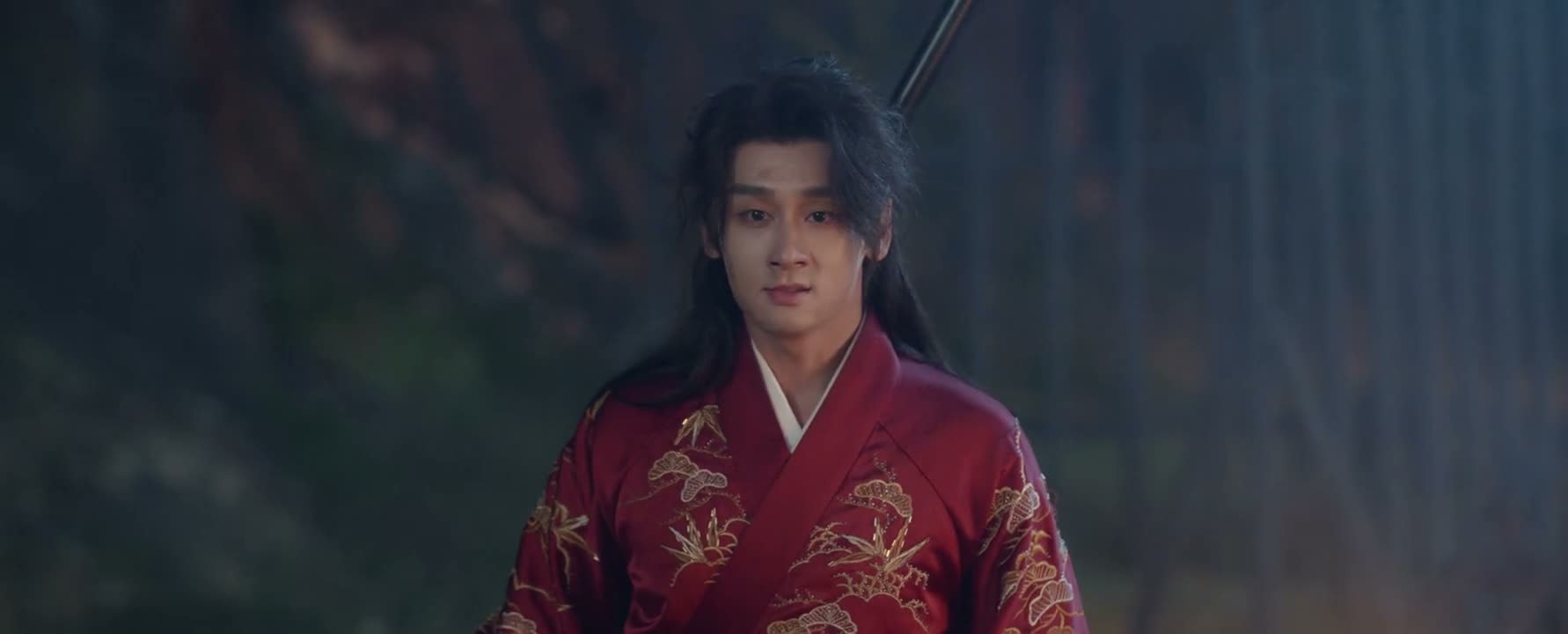
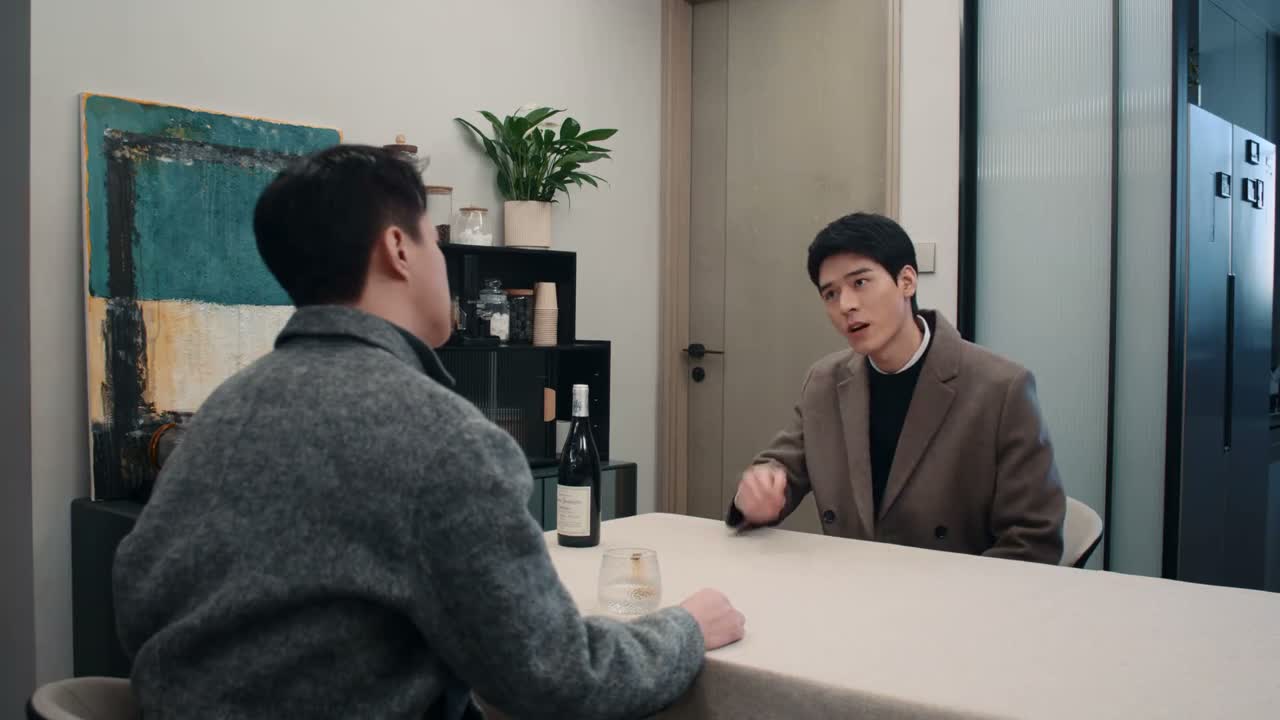
《COURT!》 S1·E18 (34:21)
HSK 2
zěn me zhè me zhí mí bù wù ne
怎么这么执迷不悟呢
“are you so stubborn?”
《COURT!》
S1·E18
TIMECODE: 34:21
·
1080P MASTER AUDIO
THE DIALOGUE REEL
[-1] PREVIOUS TURN
nǐ zhè ge nǚ rén nǎ
你这个女人哪
“Why”
zěn me zhè me zhí mí bù wù ne
CURRENT FOCUS
怎么这么 执迷不悟 呢
“are you so stubborn?”
[+1] FOLLOW-UP TURN
dào xiàn zài le nǐ hái bù míng bái ma
到现在了你还不明白吗
“Do you still not understand even now?”
Subtitles synced to millisecond timecode
Browse Show Clips →
Scene:
Crisis & Conflict
Function:
REPROACHING
Tone:
CRITICAL
Emotion:
FRUSTRATION
WHAT THEY REALLY MEAN (PRAGMATIC SUBTEXT)
“Give it up already; you are being completely blind and delusional!”
💡 Cultural Insight: Moral Reproach via Chengyu
Using classical idioms like '执迷不悟' in modern spoken arguments elevates the moral weight of criticism, framing the other person's stubbornness as an ethical folly.
INTENT TAGS:
#reproach
#exasperation
#disapproval
#condemnation
🧩
2 CHUNKS · 1 PARTICLES
LEARNING CHUNKS & PARTICLES
执迷不悟
SPOKEN CHUNK
obstinately clinging to one's course; refusing to come to one's senses
A four-character chengyu used to harshly criticize someone's stubborn self-deception.
怎么这么
SPOKEN CHUNK
why so / how come so
Used to express intense bewilderment, annoyance, or disapproval regarding an extreme state.
Modal Particle「呢」 (ne)
CHANGE OF STATE
Emphasizes the rhetorical question, heightening the sense of bewilderment and exasperation.
🏮
2 EXPR · 6 GRAMMAR
VOCABULARY & EXPRESSIONS
COLLOQUIAL EXPRESSIONS:
CROSS-CINEMA CORPUS BOARD · PARALLEL SCENES
EXPLORE BY SEMANTIC SIMILARITY
Parallel Spoken Cinema Scenes (语义近邻切片)
《COURT!》 S1·E18 (34:21) · Authentic Cinema Dialogue Corpus