MC
MandarinClips Cinema Corpus
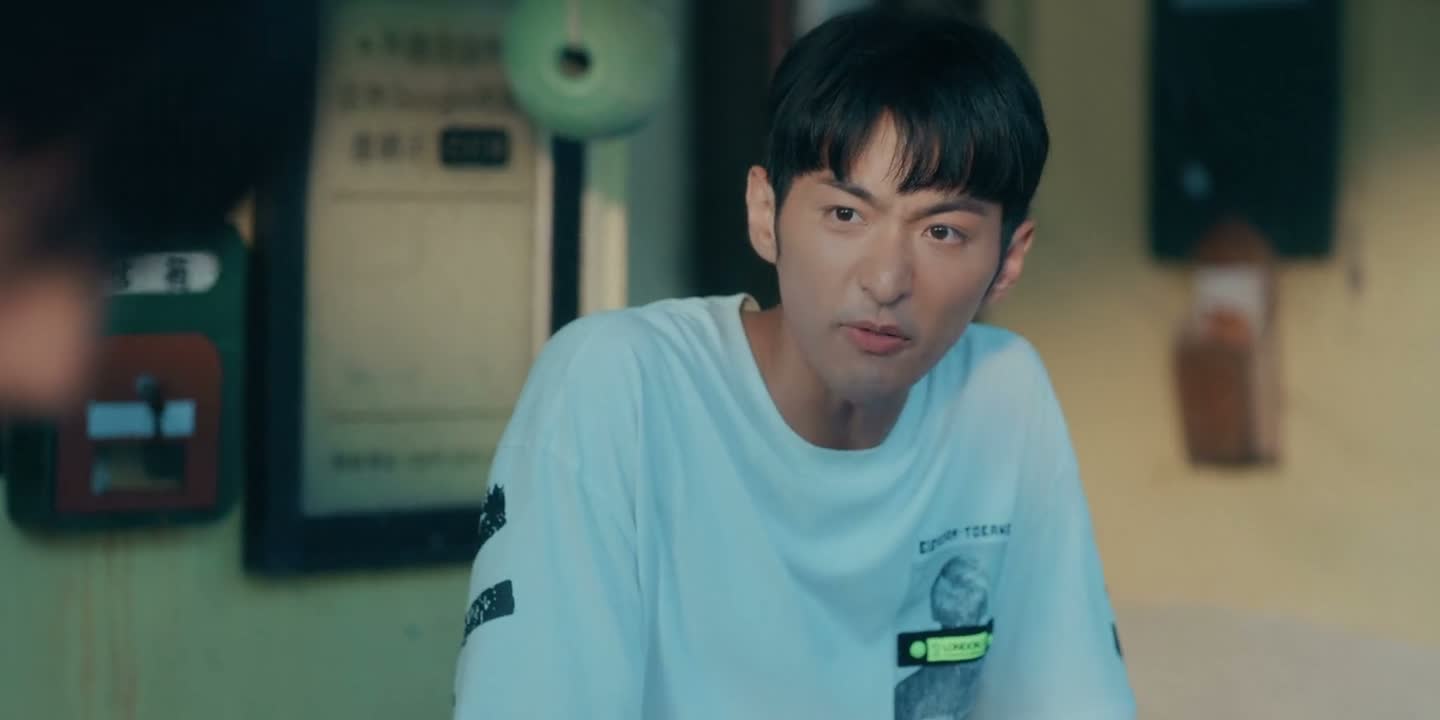
《COURT!》 S1·E18 (28:04) HSK 7
zhè dà bàn yè de yòu bù zhī dào fā shén me fēng

这大半夜的又不知道发什么疯

“(He was acting strange again in the middle of the night.)”

《COURT!》 S1·E18
TIMECODE: 28:04 · 1080P MASTER AUDIO

THE DIALOGUE REEL

1+1+1 SPOKEN CONTINUITY
[-1] PREVIOUS TURN rén shēng màn cháng

人生漫长

“(Life is long?)”

zhè dà bàn yè de yòu bù zhī dào fā shén me fēng CURRENT FOCUS

这 大半夜的 又 不知道 发什么疯

“(He was acting strange again in the middle of the night.)”

[+1] FOLLOW-UP TURN lái lái lái diǎn dān le

来来来 点单了

“Come on, time to order.”

Subtitles synced to millisecond timecode Browse Show Clips →
Scene: Daily Life
Function: COMPLAINING
Tone: IMPATIENT
Emotion: ANNOYANCE
WHAT THEY REALLY MEAN (PRAGMATIC SUBTEXT)
“Why must they always cause drama at the worst possible time?”
💡 Cultural Insight: Late-Night Emotional Venting

In Chinese urban culture, late-night street food or gatherings often serve as emotional outlets where friends openly complain about eccentric peers or workplace stress.

INTENT TAGS: #complaining #dismissal #venting #exasperation
🧩

LEARNING CHUNKS & PARTICLES

2 CHUNKS · 1 PARTICLES
大半夜 SPOKEN CHUNK

in the middle of the night

Commonly used in spoken Chinese to emphasize that an action is taking place at an inappropriately late hour.

发疯 SPOKEN CHUNK

to act crazy; to lose one's mind

A colloquial idiom used to criticize someone acting unreasonably, erratically, or making a scene.

Modal Particle「的」 (de) CHANGE OF STATE

Emphasizes the late-night context and adds a colloquial, grumbling flavor to the temporal clause.
🏮

VOCABULARY & EXPRESSIONS

3 EXPR · 3 GRAMMAR
CROSS-CINEMA CORPUS BOARD · PARALLEL SCENES

Parallel Spoken Cinema Scenes (语义近邻切片)

EXPLORE BY SEMANTIC SIMILARITY
《COURT!》 S1·E18 (28:04) · Authentic Cinema Dialogue Corpus