何大锤 咋了 你们看着小白鞋没有啊 小白鞋
“- He Dachui. - What? Have you seen Shoes Bai? - Shoes Bai? - No.”
THE DIALOGUE REEL
去 去你的
“Knock it off.”
何大锤 咋了 你们看 着小白鞋 没有啊 小白鞋
“- He Dachui. - What? Have you seen Shoes Bai? - Shoes Bai? - No.”
没有
“- Shoes Bai? - No.”
Direct spoken expression in this communicative setting.
Calling someone by a distinguishing feature, such as 'Little White Shoes' (小白鞋), reflects the informal and vivid naming culture common in tightly knit Chinese communities.
LEARNING CHUNKS & PARTICLES
what happened / what's up
A highly colloquial Northern Chinese alternative to 'zenme le', used to ask what is going on.
did you see / have you spotted...
A spoken affirmative-negative question pattern used to check whether someone has caught sight of a person or object.
Softens the urgent inquiry and attracts immediate attention from the listeners.
VOCABULARY & EXPRESSIONS
Parallel Spoken Cinema Scenes (语义近邻切片)

“Shoes Bai! He Dachui! He Dachui! What are you doing here?”
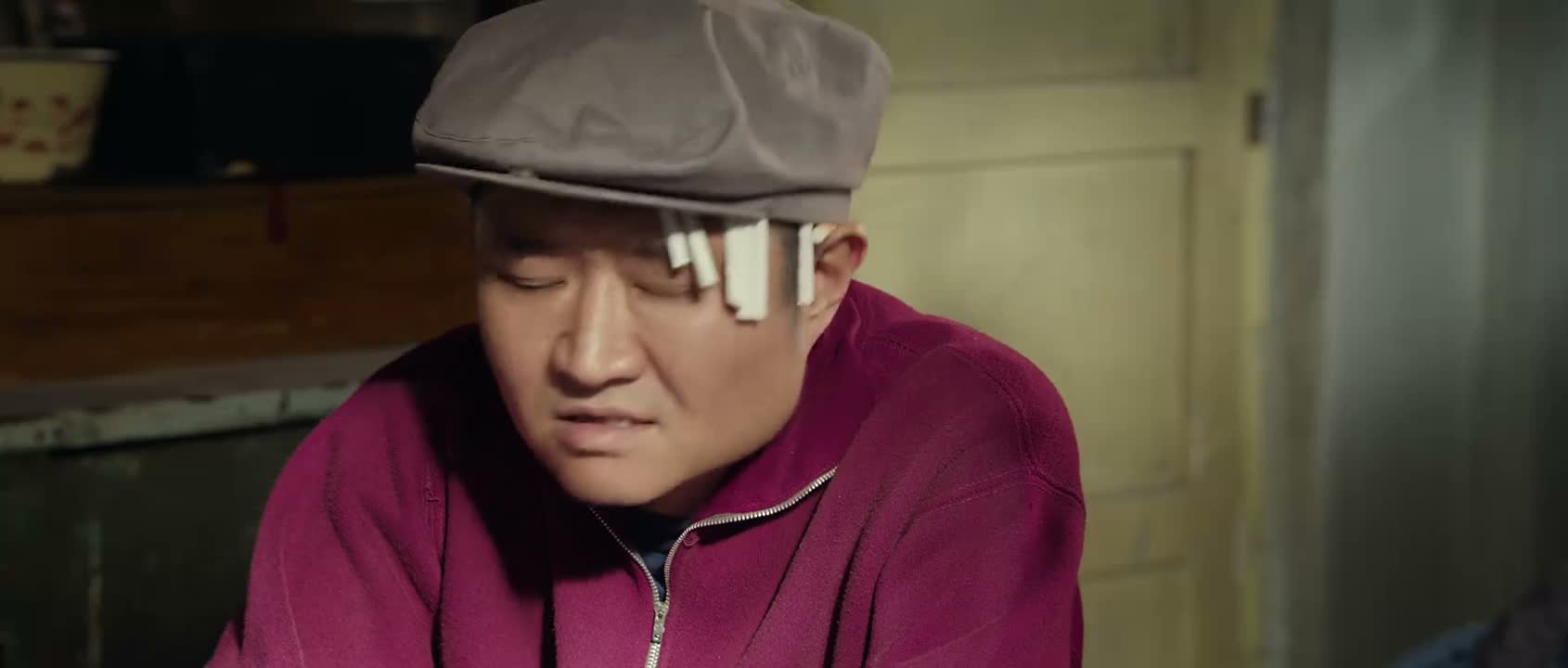
“He Dachui, think of the big picture.”
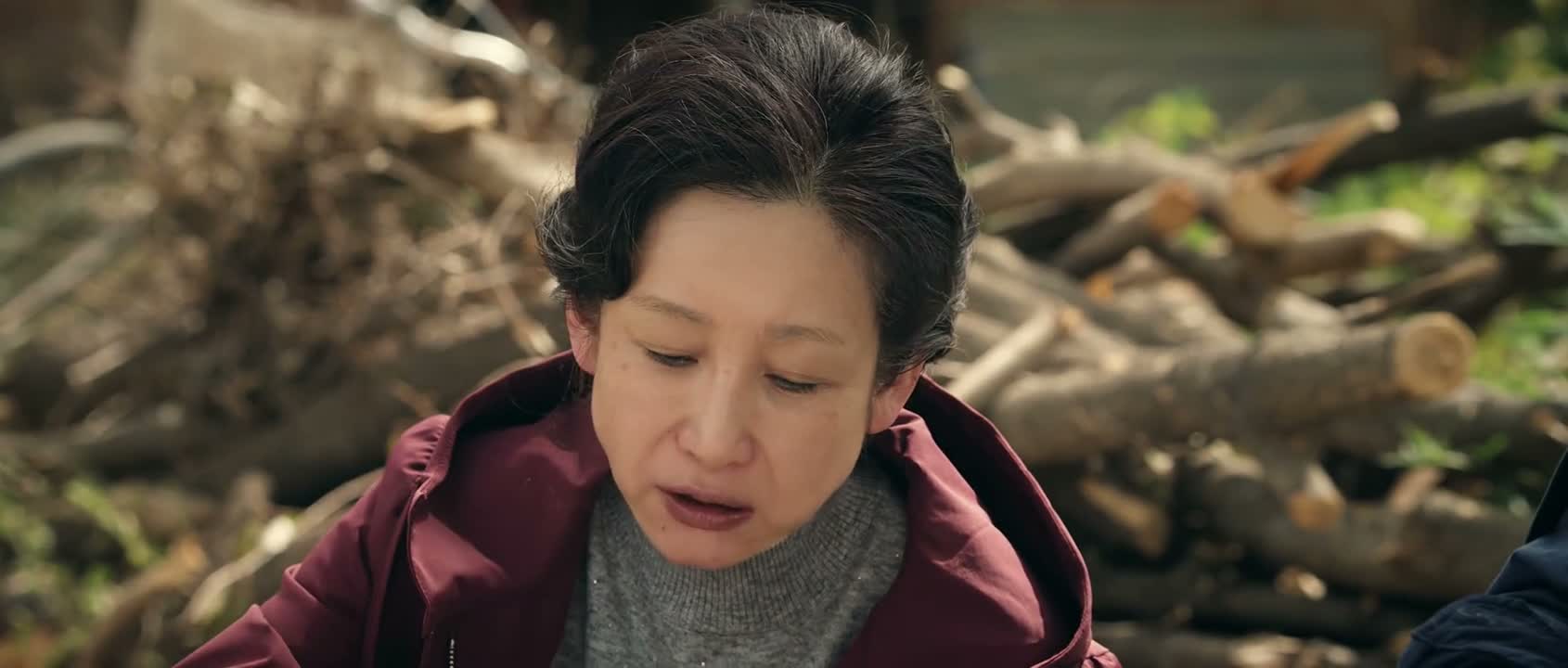
“He Dachui's drumming skills haven't improved a bit.”
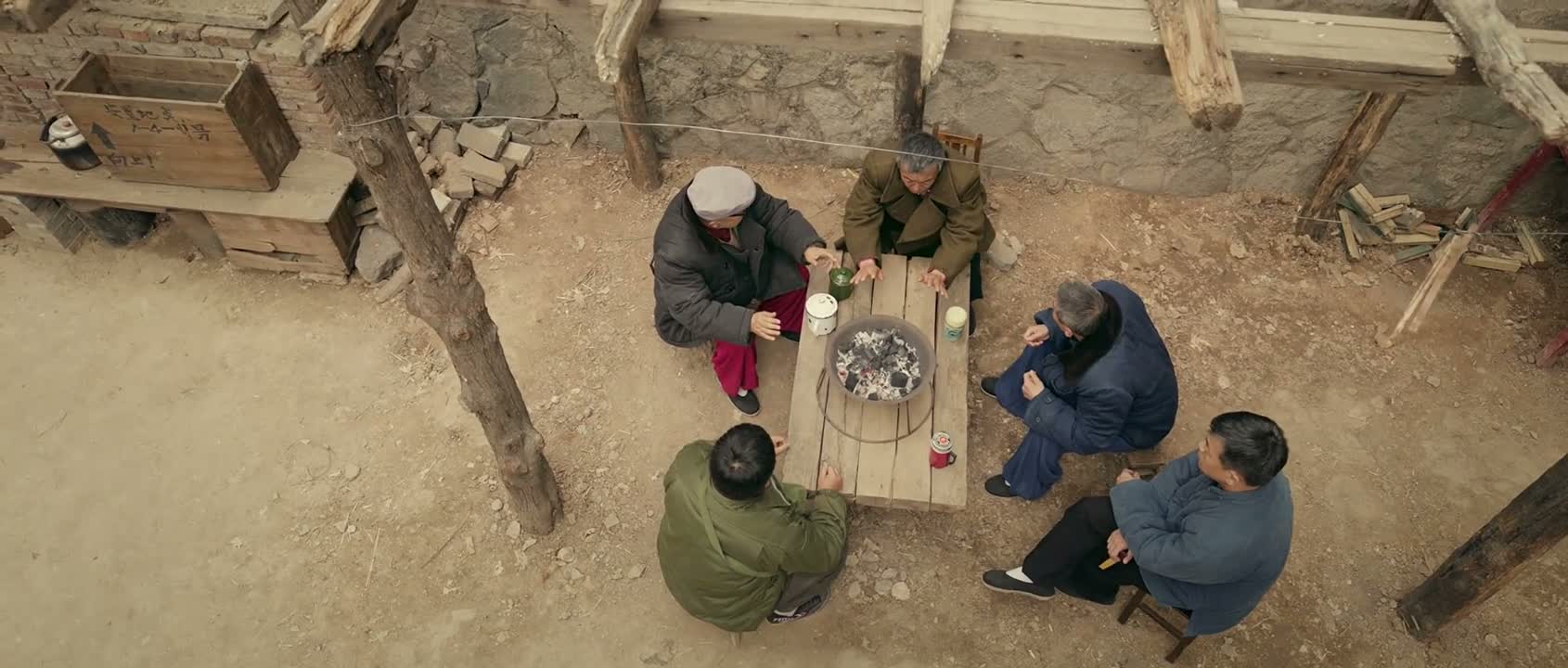
“He Dachui actually did a good thing.”
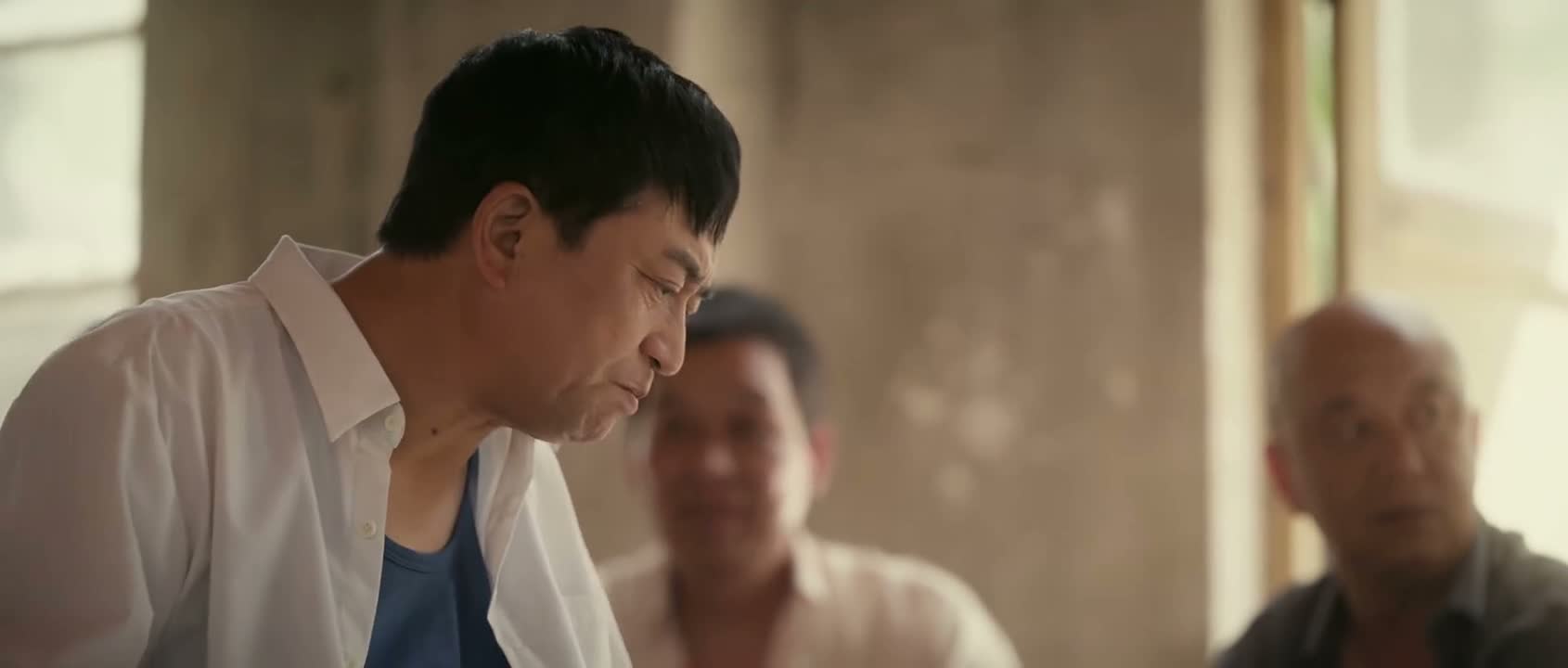
“He Dachui's drumming is a mess.”

“Didn't your uncle leave with her? Don't talk nonsense, got it?”