干啥呀 为啥搬她东西啊
“What's this? Why are you moving her things?”
THE DIALOGUE REEL
你不是答应柏庶住校了吗
“You promised to let Bai Shu board.”
干啥呀 为啥搬 她 东西 啊
“What's this? Why are you moving her things?”
柏庶退学了
“Bai Shu dropped out.”
“Stop moving her stuff until you explain what is going on.”
Intervening in or moving a family member's belongings without their clear consent often provokes immediate pushback, signaling a disruption of household consensus.
LEARNING CHUNKS & PARTICLES
what are you doing? / what's up?
A highly colloquial, Northern-inflected expression used to question someone's behavior with mild irritation or surprise.
why
An informal spoken equivalent of '为什么' (wèishénme), common in daily speech across northern China.
Softens the blunt inquiry while highlighting the speaker's bewilderment or urgency.
Adds an emotive, questioning resonance, indicating expectation of a clear justification.
VOCABULARY & EXPRESSIONS
Parallel Spoken Cinema Scenes (语义近邻切片)
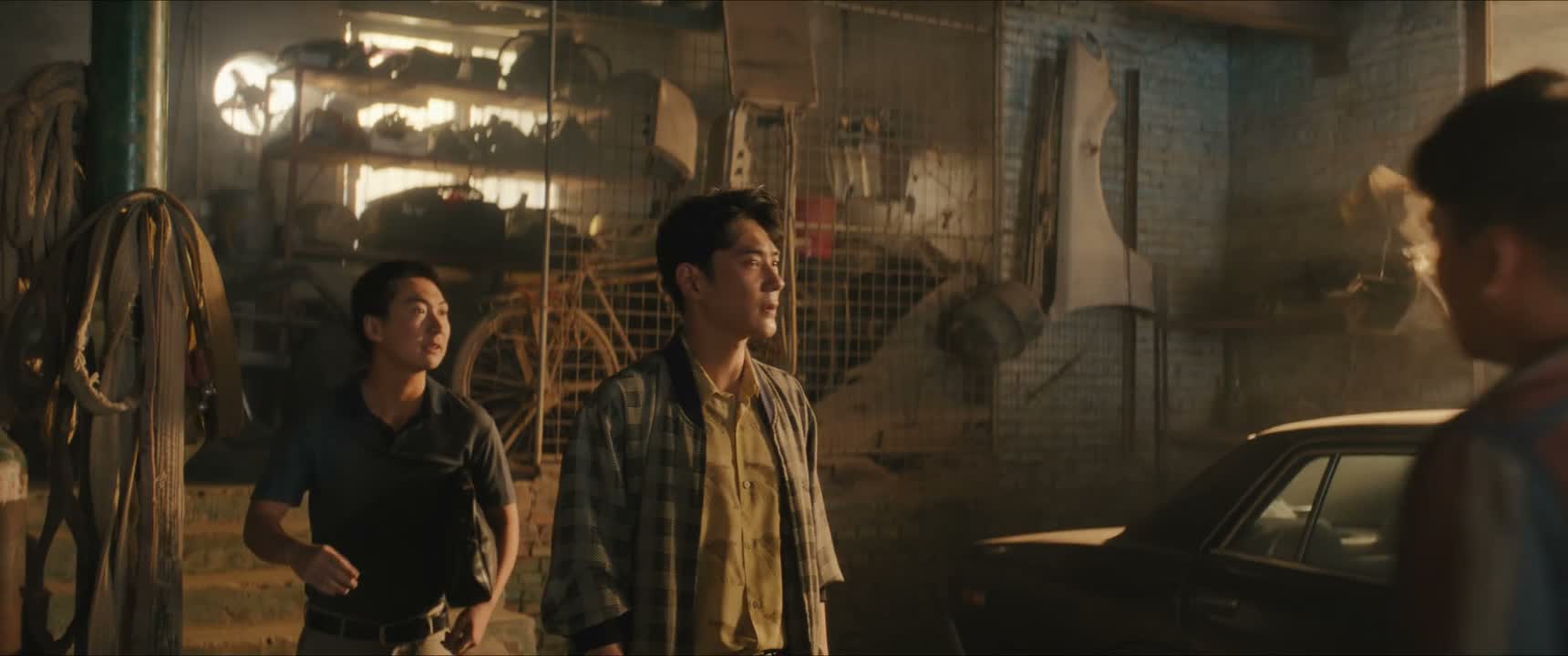
“What are you doing? You,”
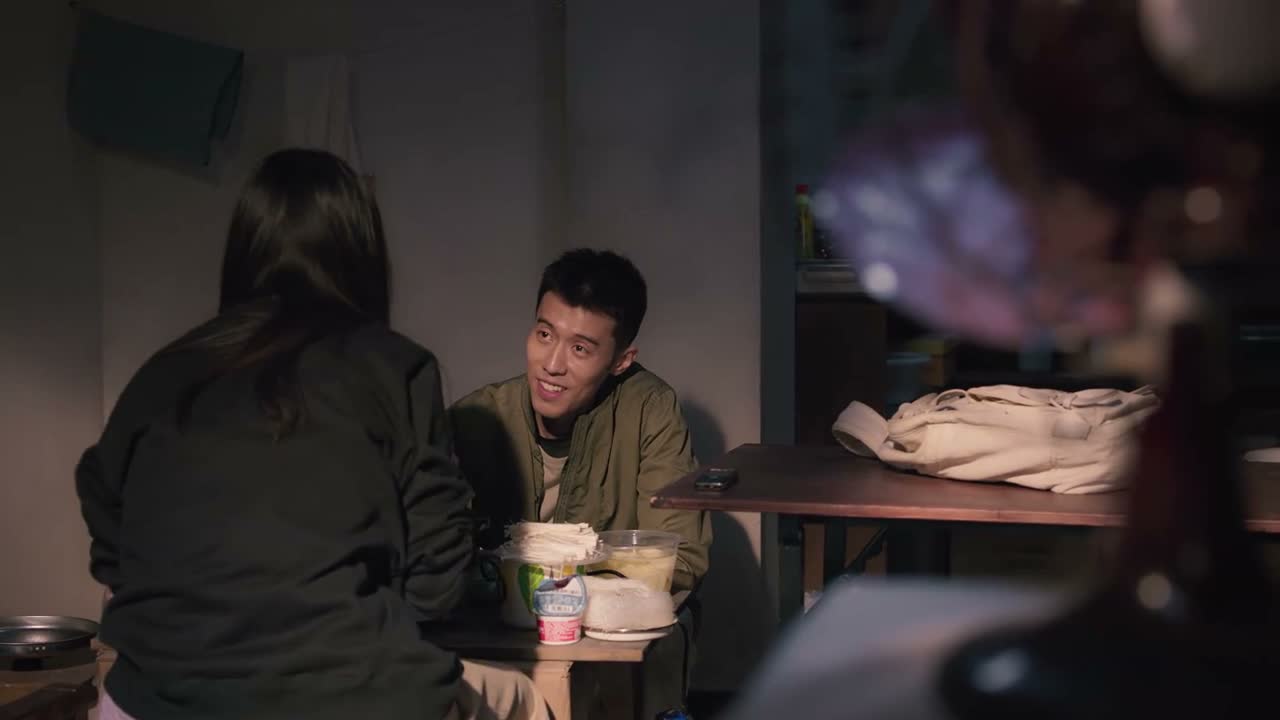
“What's wrong? Just looking at you.”
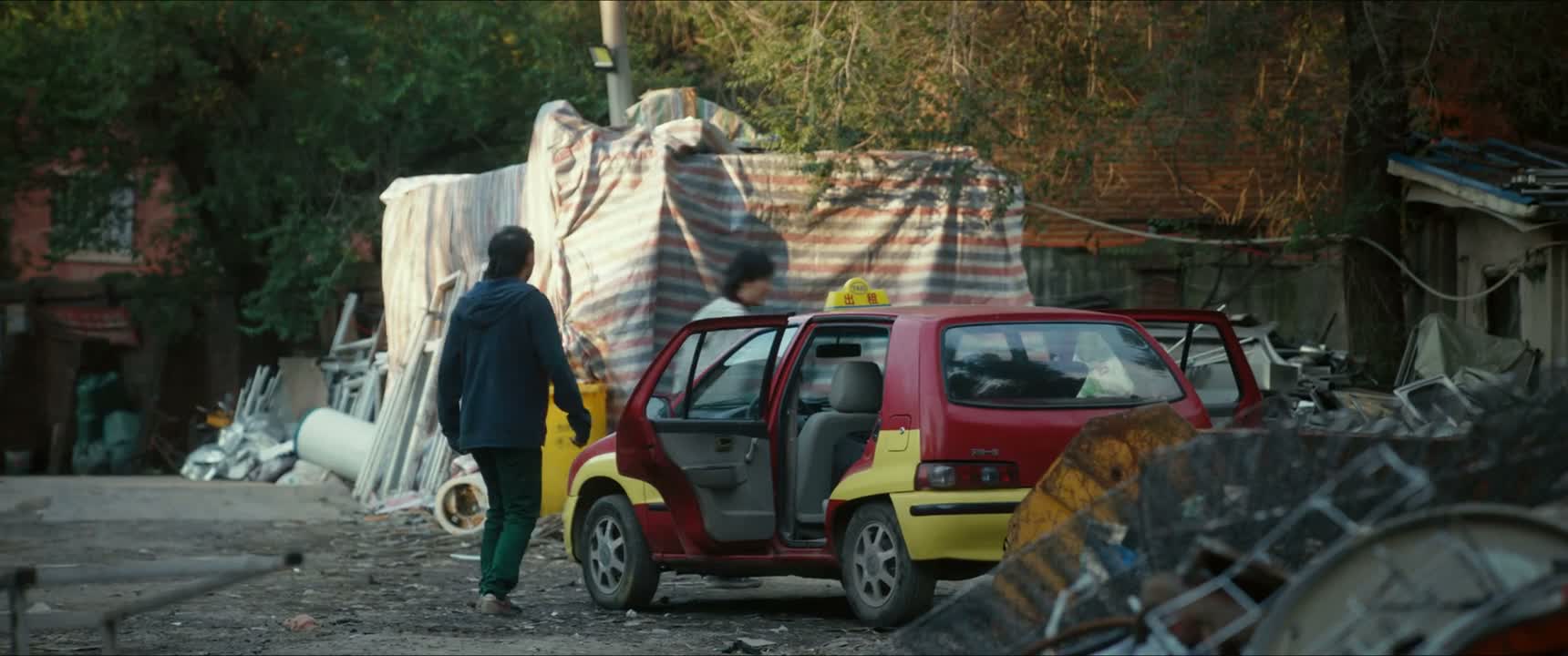
“What's this for?”
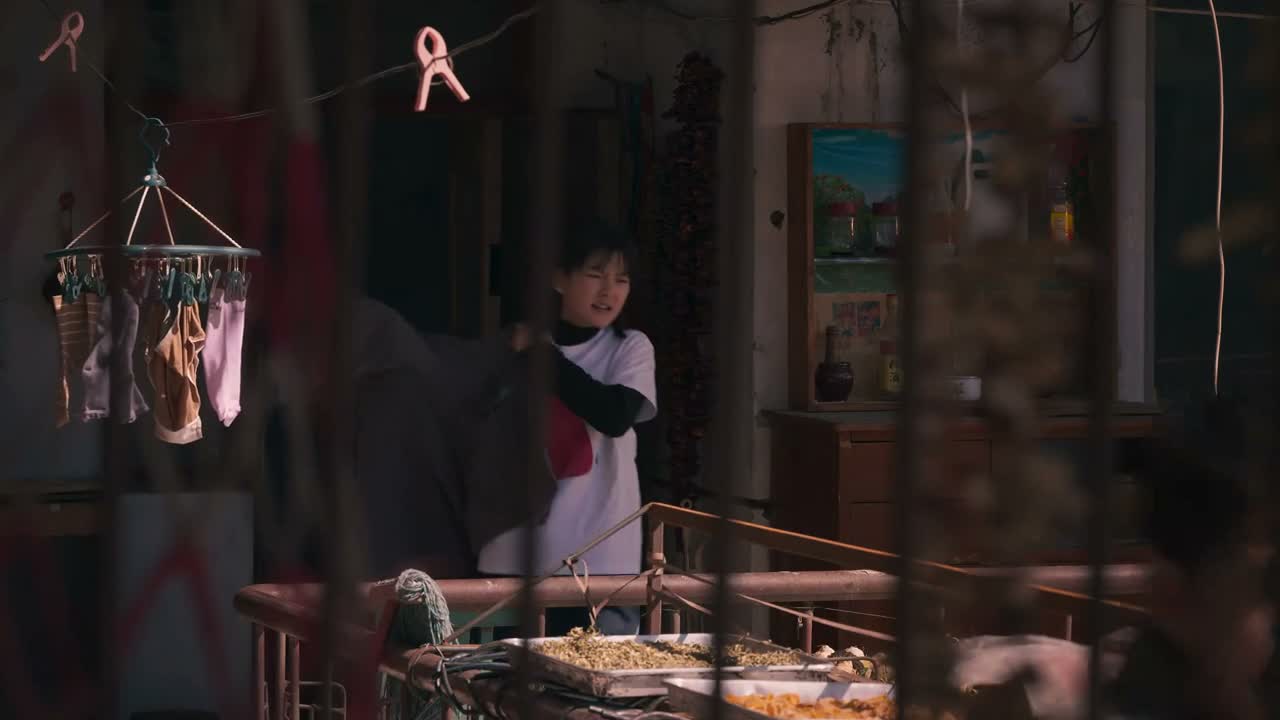
“What? Come down.”
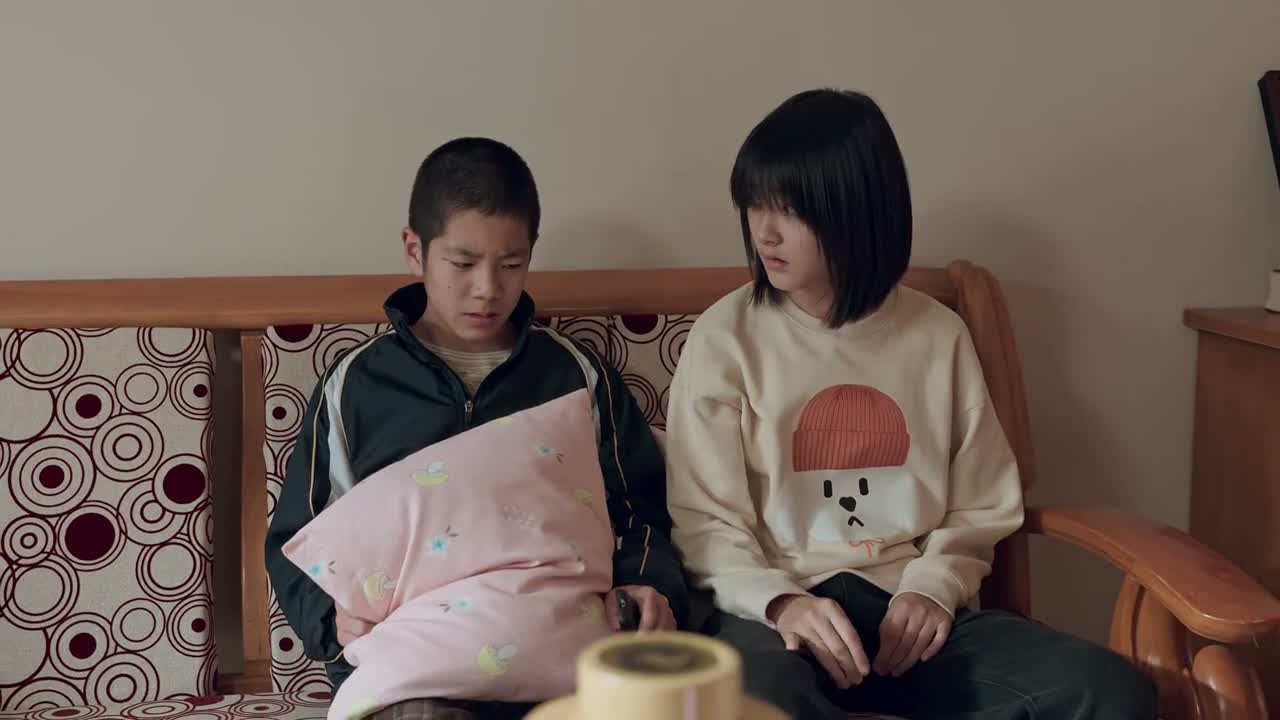
“What are you doing?”
“- Dad, you can't. - What are you doing?”