所以我故意说出来气你的 坏人
“I know. That's why I said it on purpose to annoy you. Bad guy.”
THE DIALOGUE REEL
我知道啊
“I know. That's why I said it on purpose to annoy you.”
所以我 故意说出来 气你 的 坏人
“I know. That's why I said it on purpose to annoy you. Bad guy.”
“You're bad. You're bad. - You're bad. - You're bad.”
“I'm just teasing you because I enjoy seeing your cute reaction.”
Calling someone 'bad' (坏人) playfully is a common form of flirtatious teasing in Chinese romantic dynamics.
LEARNING CHUNKS & PARTICLES
deliberately blurt out or speak aloud on purpose
Useful when acknowledging an intentional remark meant to get a reaction.
just to annoy or tease you
A common colloquial phrase used to soften an intentionally provoking remark.
bad guy; meany (used flirtatiously)
Frequently used as an affectionate, playful scolding between lovers.
Functions here to assert the purpose behind the action in an informal, lighthearted manner.
VOCABULARY & EXPRESSIONS
Parallel Spoken Cinema Scenes (语义近邻切片)
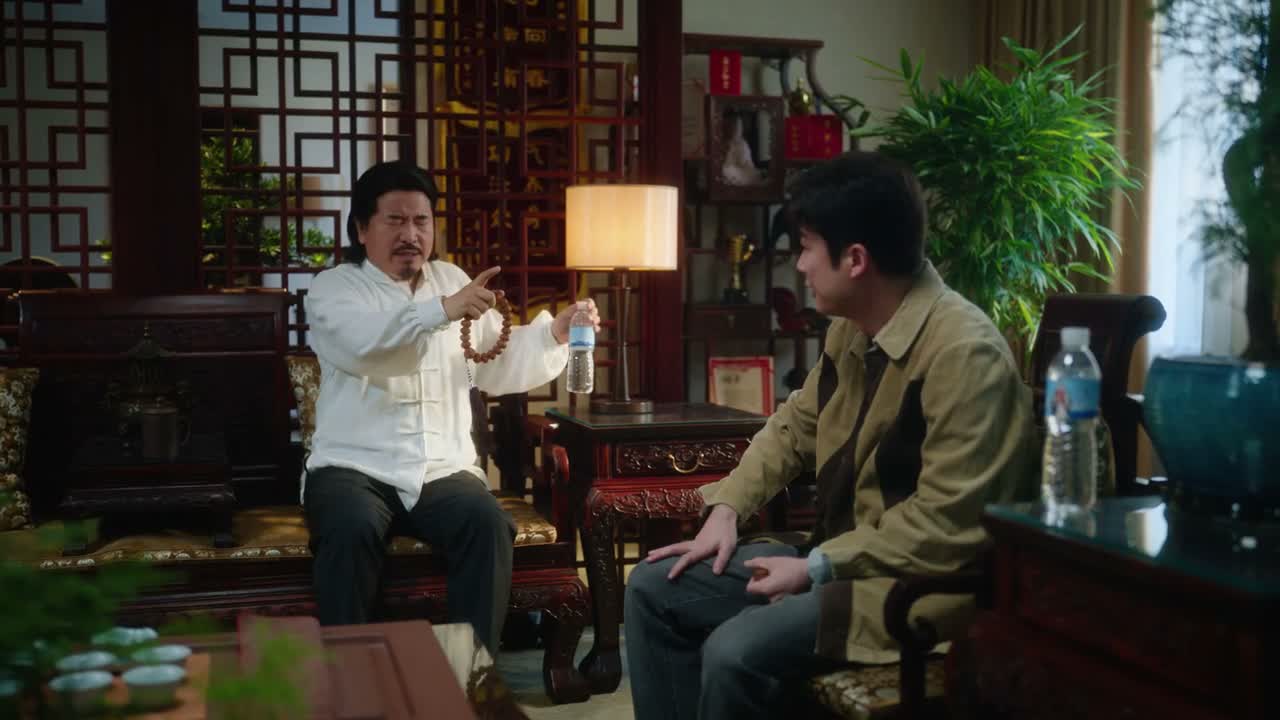
“You made me this mad.”

“If insulting me like this is what it takes for you to cool off,”

“things go wrong for you, you take it out on me.”

“you… you're mad at me?”
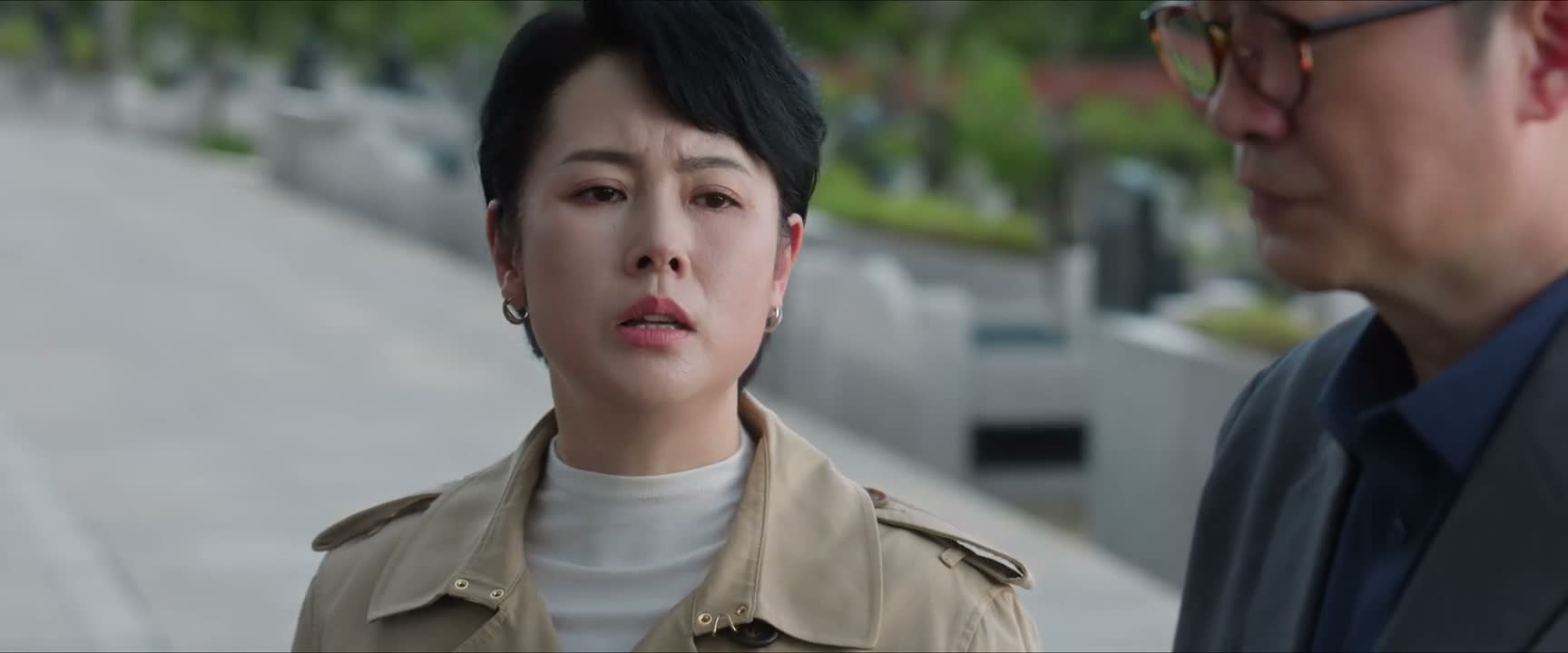
“Are you... doing this just to make us mad? Mom,”
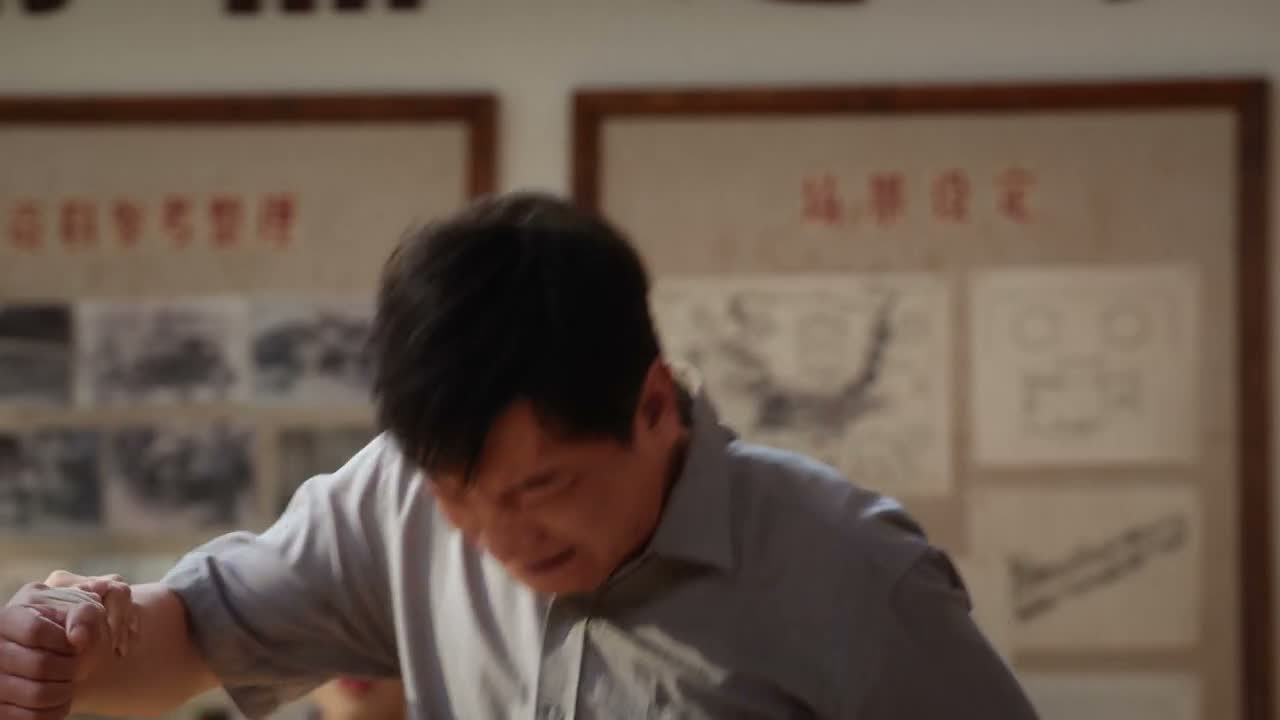
“you'll be the death of me!”