坏人
huài rénCommon spoken expression used by native Chinese speakers in daily life.
[Scene: 其他场景]
(9 clips) 00:02
(公安同志 自然会给我一个交代的) ── Previous context
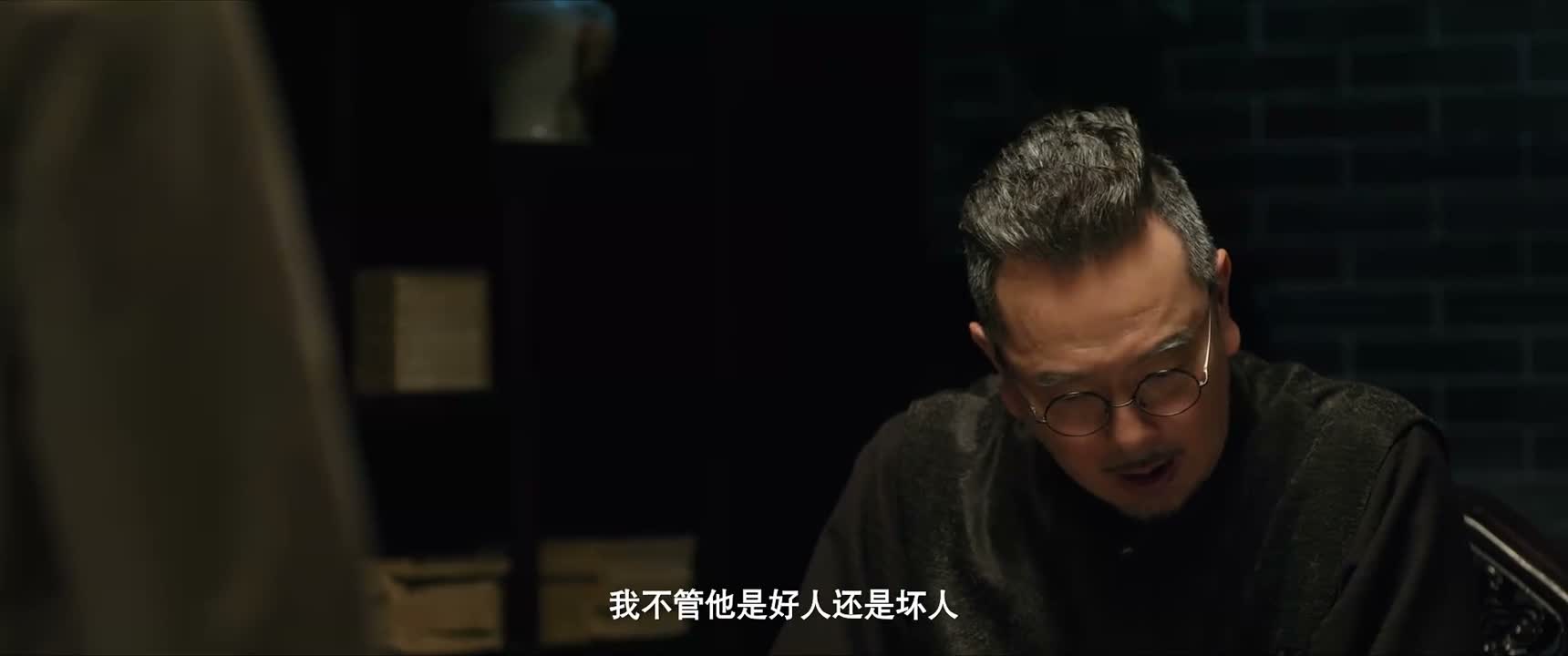
“No matter what bad intentions the bad guys harbour, the child is innocent.”
 00:02
 00:02
 00:02
 00:03
(他们要是遇到坏人) ── Previous context
“they will be in danger. Bad people might take them away.”
 00:02
 00:03
(为了自己) ── Previous context
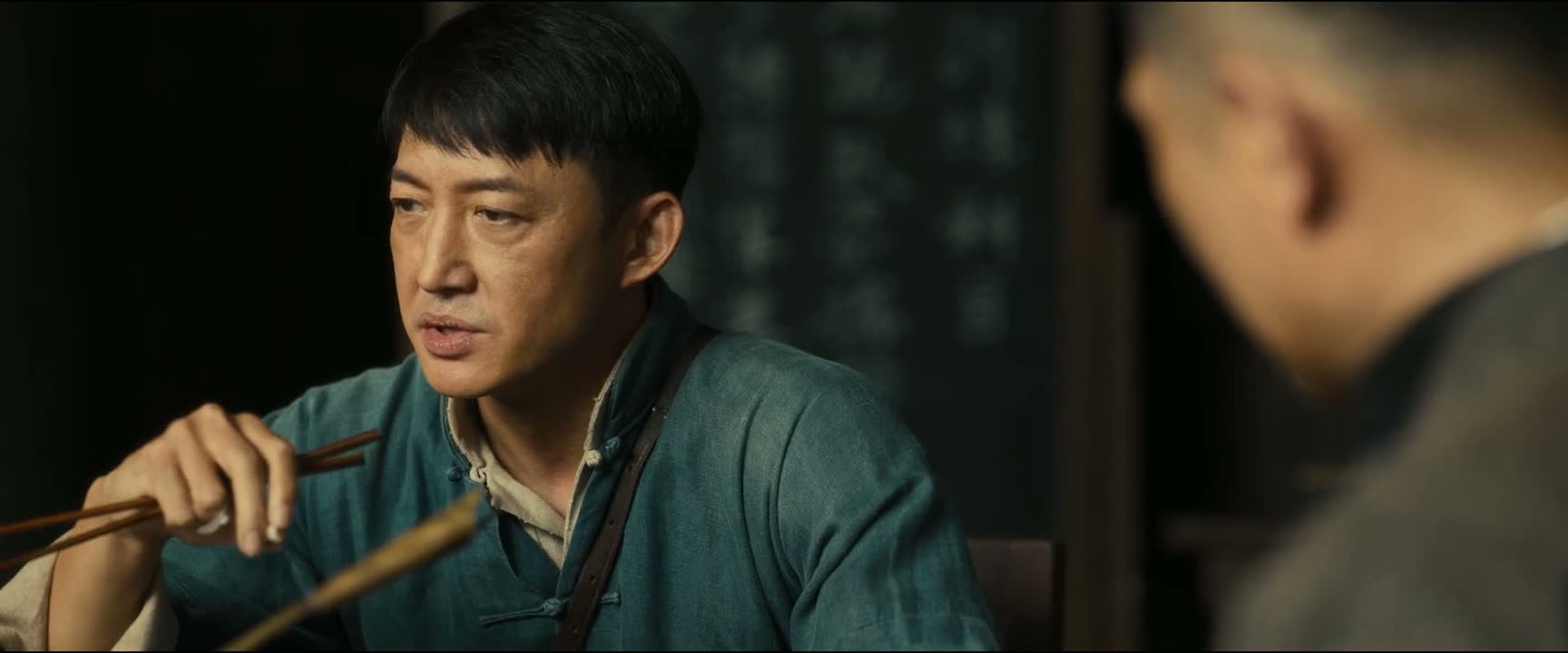
“Weakness and submission only make the wicked more unscrupulous.”
 00:02
(还是得区别对待吧) ── Previous context
“For those bad people who betray their fellow villagers,”
 00:02
(好人受了伤害还要处处小心) ── Previous context
“While bad people go unpunished and swagger around?”
[Scene: 其他场景]
(5 clips) 00:02
 00:03
(千万不能戴出来 那玩意儿可亮了) ── Previous context
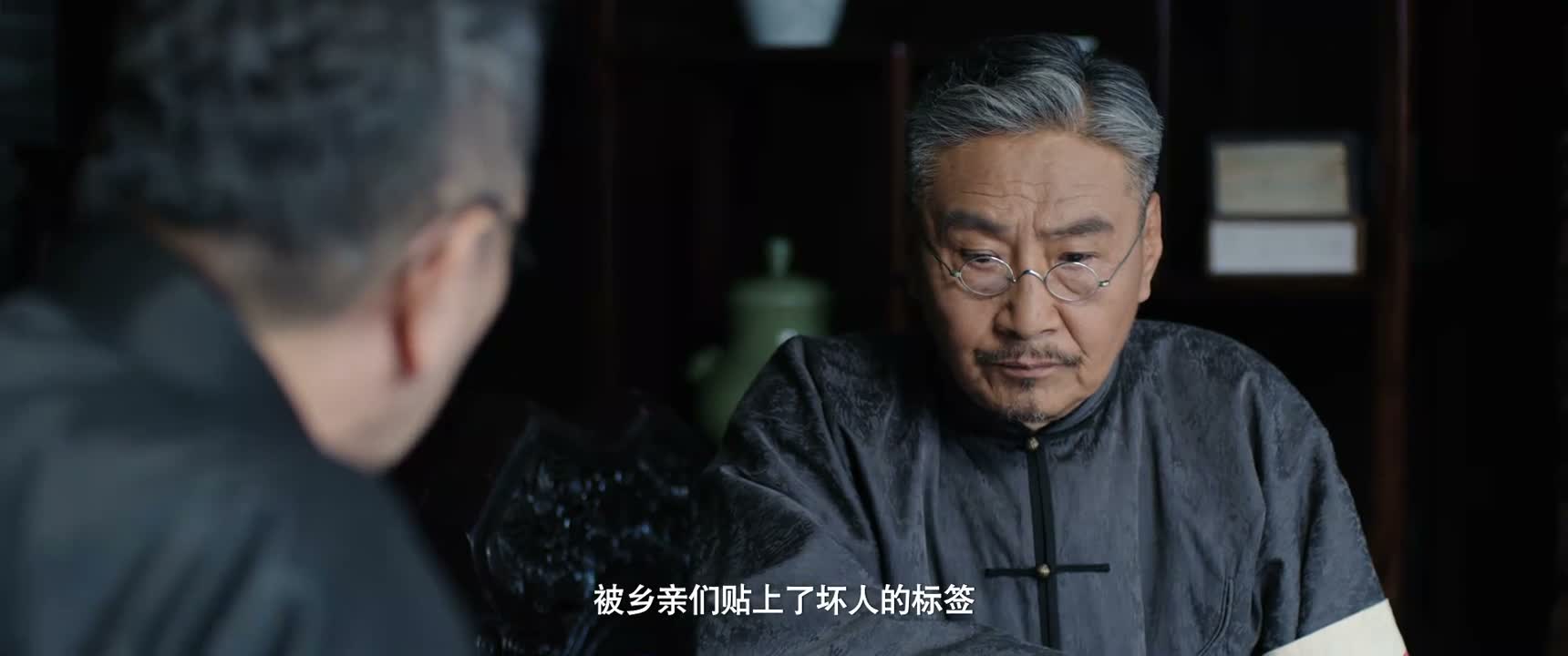
“if it catches a bad guy's eye and he has evil intentions, what would you do?”
 00:03
(你在这里妈妈会担心的 你在这里很危险) ── Previous context
“What if there are bad people? Mom is very worried. Okay?”
 00:03
 00:03
[Scene: 社交聚会]
(4 clips) 00:02
(所以我故意说出来气你的 坏人) ── Previous context
“You're bad. You're bad. - You're bad. - You're bad.”
 00:02
(我知道啊) ── Previous context
“I know. That's why I said it on purpose to annoy you. Bad guy.”
 00:02
 00:02
[Scene: 警匪刑侦]
(3 clips) 00:02
 00:02
 00:02
[Scene: 商务沟通]
(1 clips) 00:02
[Scene: 家庭日常]
(1 clips) 00:02
📌 意外
→Nuance: 同向近义词根配对: [意外 ↔ 万一]
📌 真的不是
→Nuance: 均表达对对方身份存疑与戒备
📌 条件好
→Nuance: 同向近义词根配对: [坏事 ↔ 坏人坏事]
📌 是吧
→Nuance: 同向近义词根配对: [坏事 ↔ 坏人坏事]
📌 走了
→Nuance: 同样担忧被坏人抓走的假设
📌 不是
→Nuance: 质问警方职责,用词更书面成语化