不 但他说哈利喜欢惹是生非
“No, but he described Harry as the troublemaker.”
THE DIALOGUE REEL
- 为什么只说一个 不说另一个? - 我从没问过莱尔的事
“- Why talk about one and not the other? - I never asked about Lyle.”
不 但 他说哈利 喜欢 惹是生非
“No, but he described Harry as the troublemaker.”
说他脾气大 经常打架
“Something about having a temper and getting into fights.”
Direct spoken expression in this communicative setting.
Native Chinese speakers frequently employ four-character idioms like '惹是生非' in spoken language to succinctly define someone's moral conduct or behavioral flaws.
LEARNING CHUNKS & PARTICLES
stir up trouble; make mischief
A common four-character idiom (chengyu) used to criticize someone who habitually provokes conflicts or creates drama.
VOCABULARY & EXPRESSIONS
Parallel Spoken Cinema Scenes (语义近邻切片)

“Why would he wait for someone to kill him?”
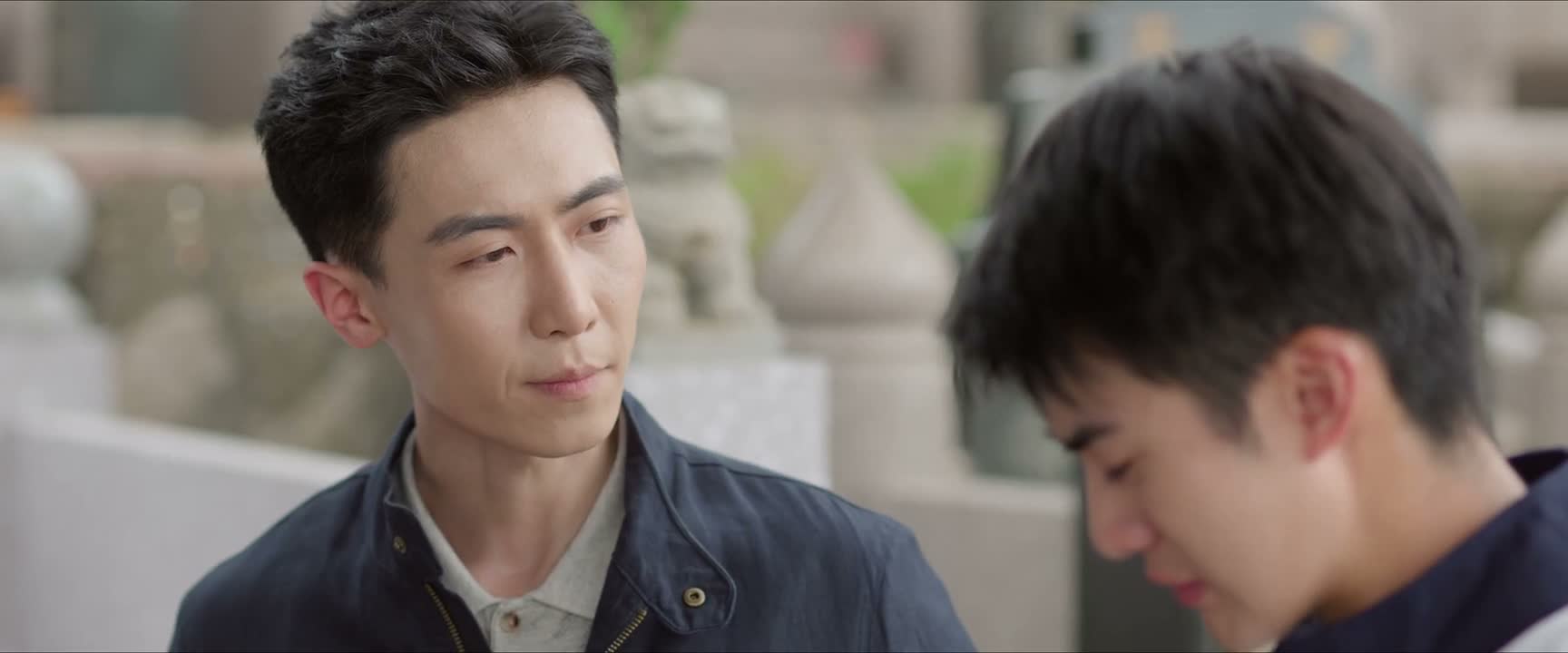
“He would never be mad at you guys.”

“Actually, I did it not just because I was mad at him.”
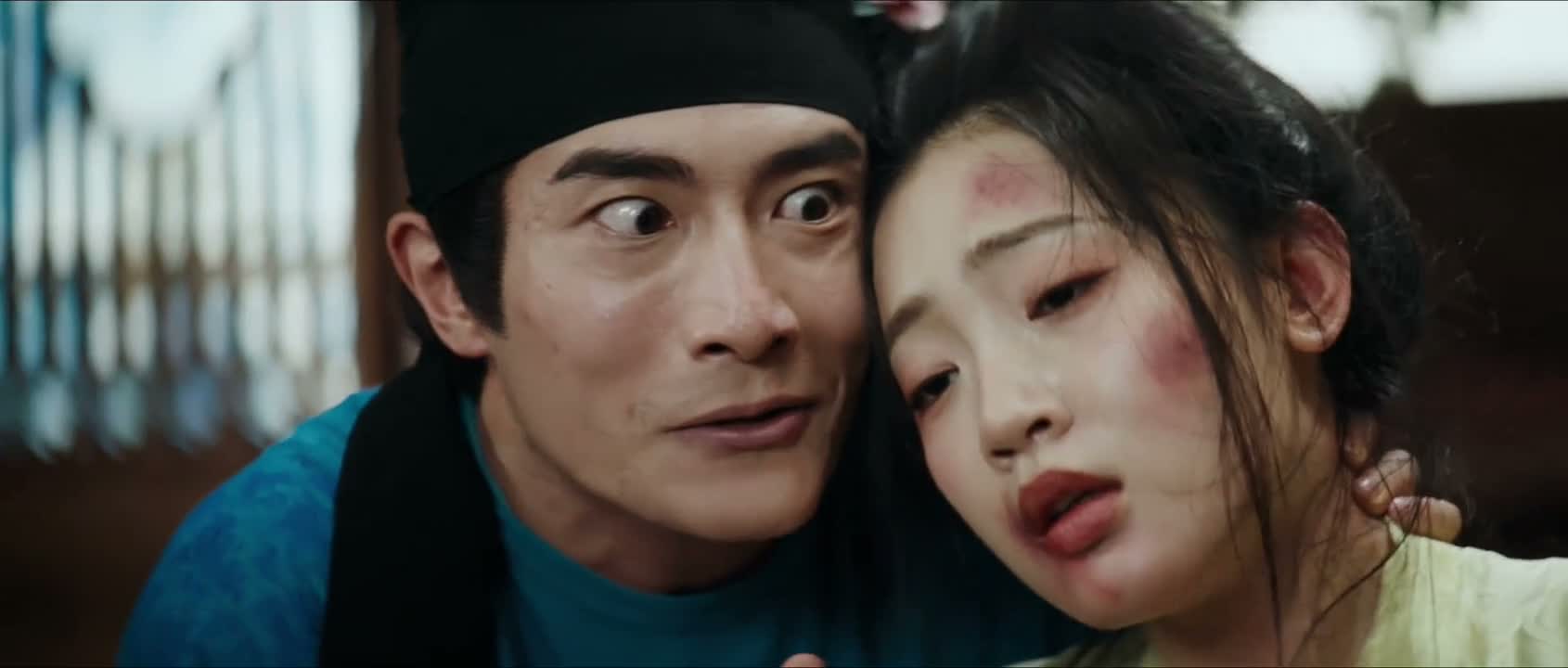
“I won't be able to stop myself from killing him too.”

“(Did he) (get the Deliverance)”
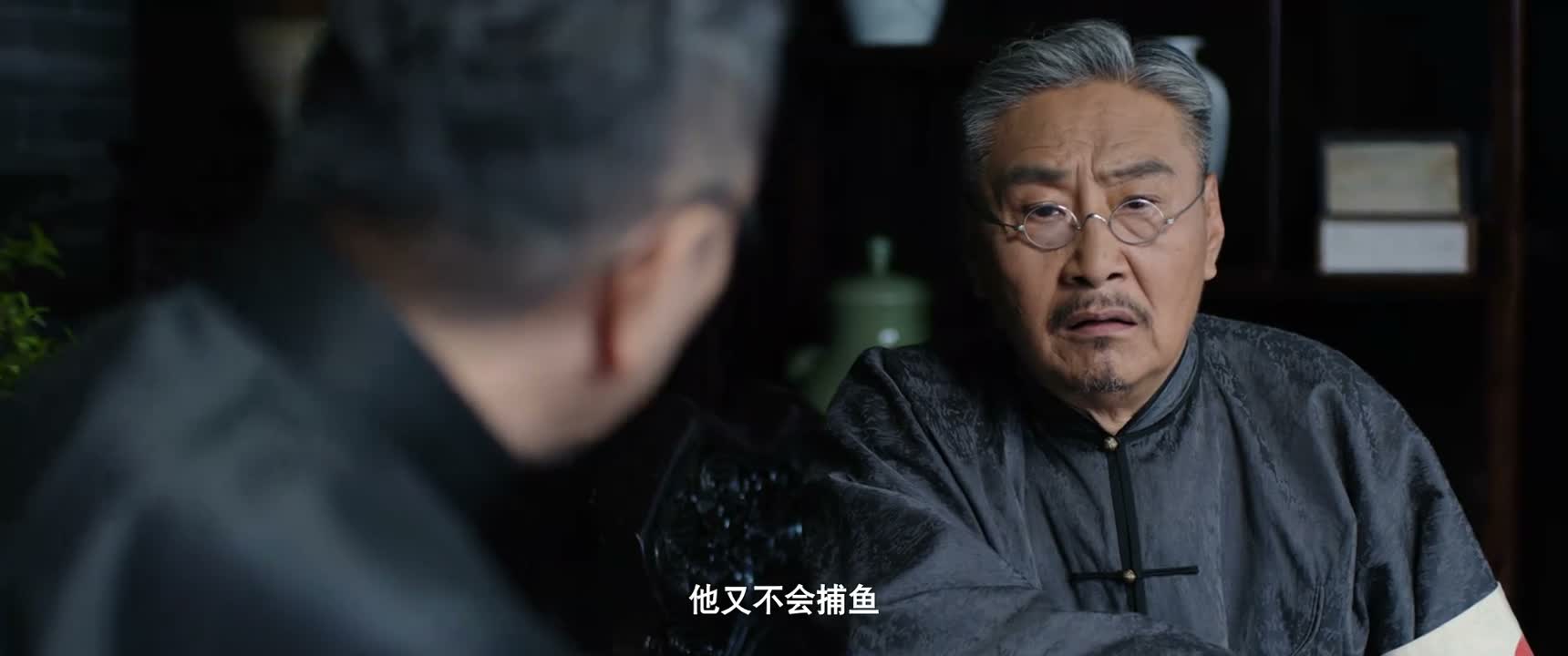
“He doesn't know how to fish.”